inland transportation services
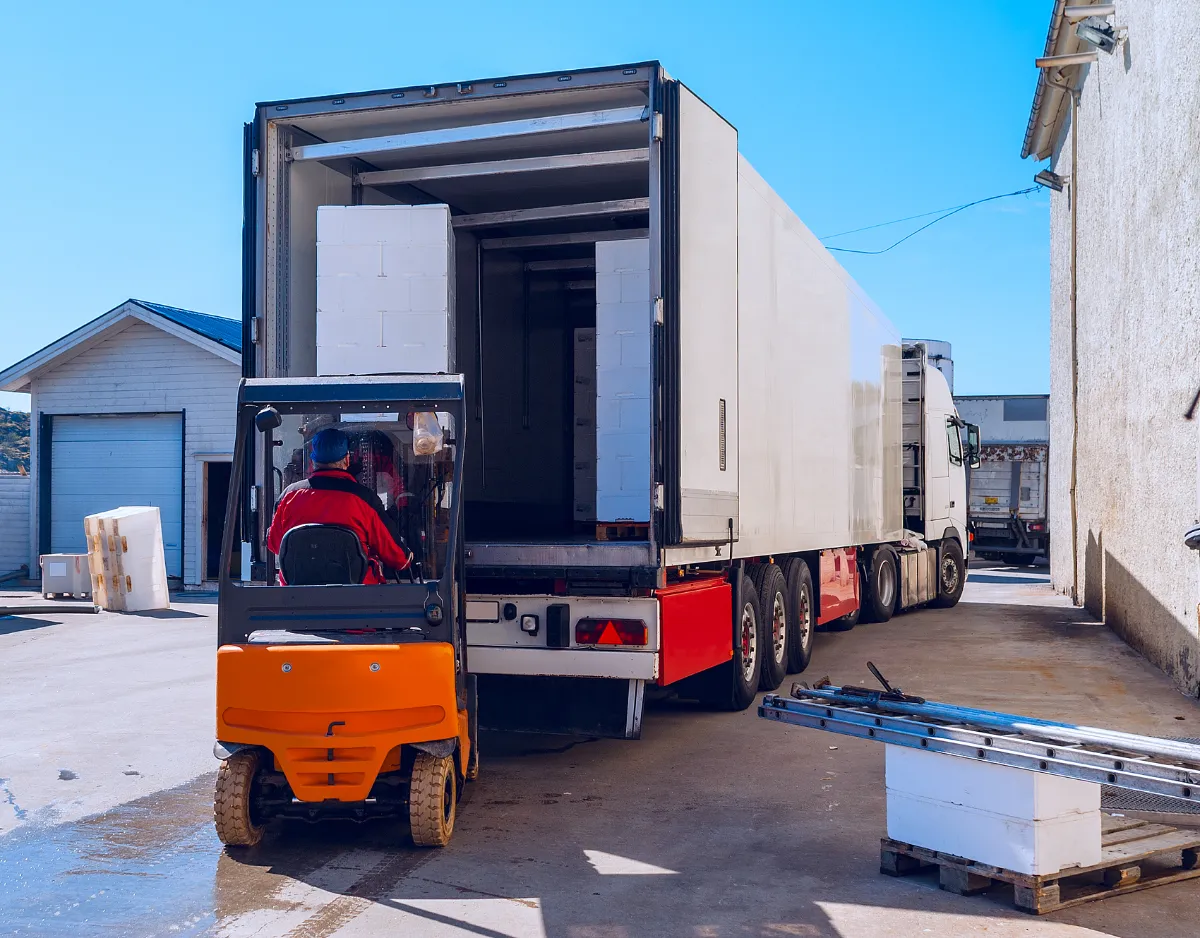
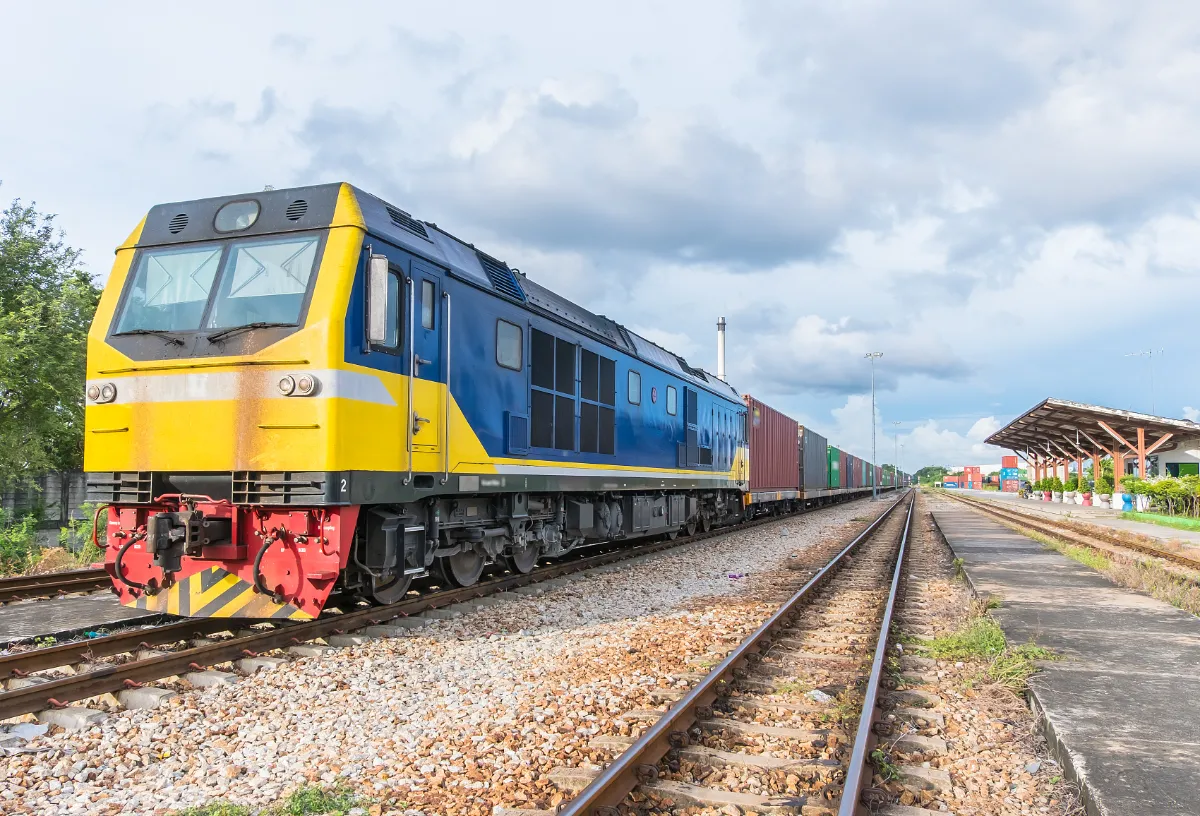
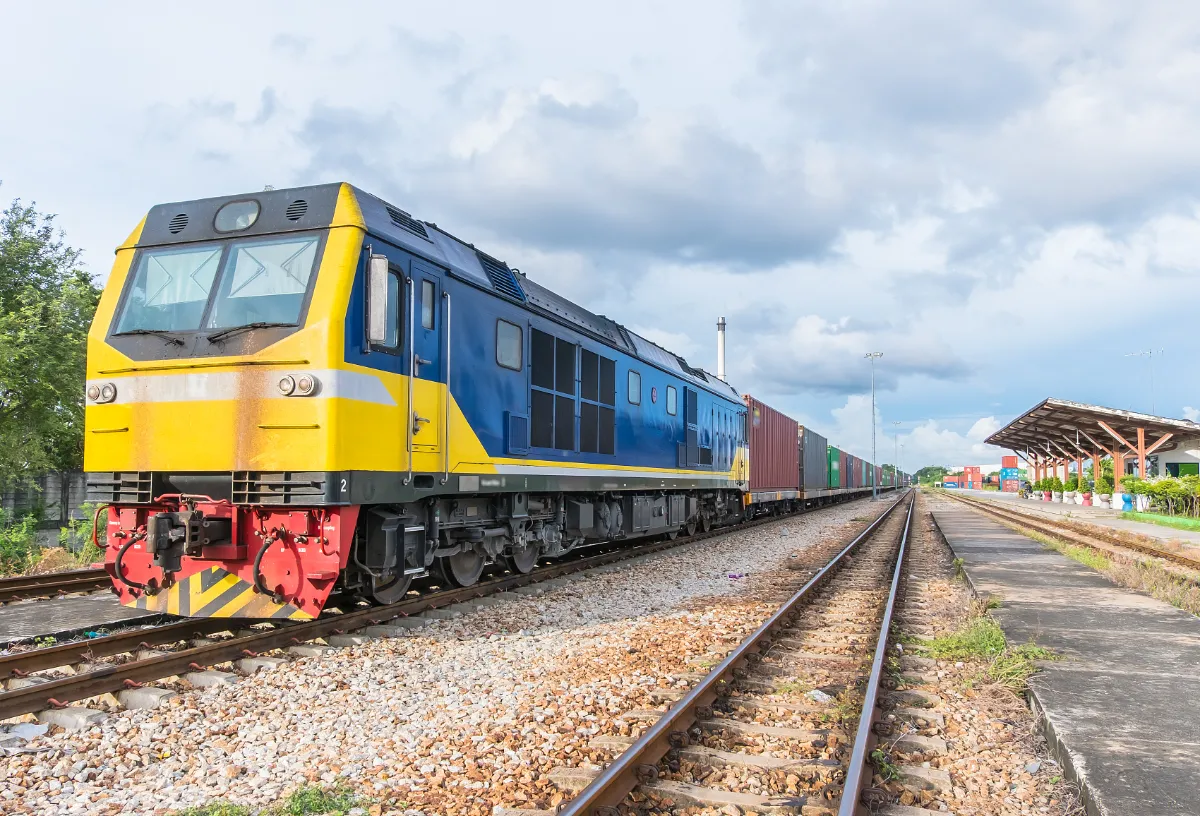
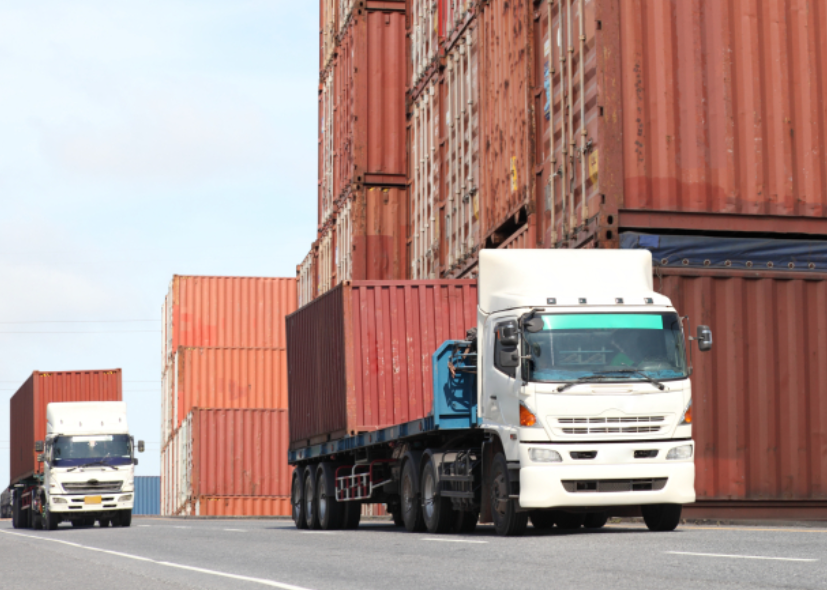
Inland transportation services form the backbone of modern logistics networks, connecting ports, airports, manufacturing facilities, and distribution centers across vast geographical regions. These comprehensive services encompass the movement of goods through various land-based modes including trucking, rail freight, intermodal transport, and specialized cargo handling solutions. The primary functions of inland transportation services include cargo consolidation, route optimization, inventory management, real-time tracking, and seamless integration with international shipping networks. Modern inland transportation services leverage advanced technological features such as GPS tracking systems, automated route planning algorithms, electronic data interchange (EDI) capabilities, and cloud-based transportation management systems. These technologies enable precise cargo monitoring, predictive analytics for delivery times, and comprehensive visibility throughout the supply chain journey. Fleet management software integrates with vehicle telematics to optimize fuel consumption, monitor driver performance, and ensure regulatory compliance. The applications of inland transportation services span across multiple industries including manufacturing, retail, automotive, pharmaceuticals, agriculture, and e-commerce sectors. These services facilitate just-in-time delivery models, support cross-docking operations, and enable efficient distribution strategies that reduce overall logistics costs. Inland transportation services also incorporate specialized handling for temperature-sensitive goods, hazardous materials, oversized cargo, and high-value shipments. The integration of artificial intelligence and machine learning algorithms enhances demand forecasting, capacity planning, and dynamic routing decisions. Warehouse management systems seamlessly connect with transportation networks to ensure optimal inventory turnover and minimize storage costs. Additionally, these services provide customs clearance support, documentation management, and regulatory compliance assistance for domestic and international cargo movements, making them indispensable components of global trade infrastructure.

 EN
EN