inland freight handling
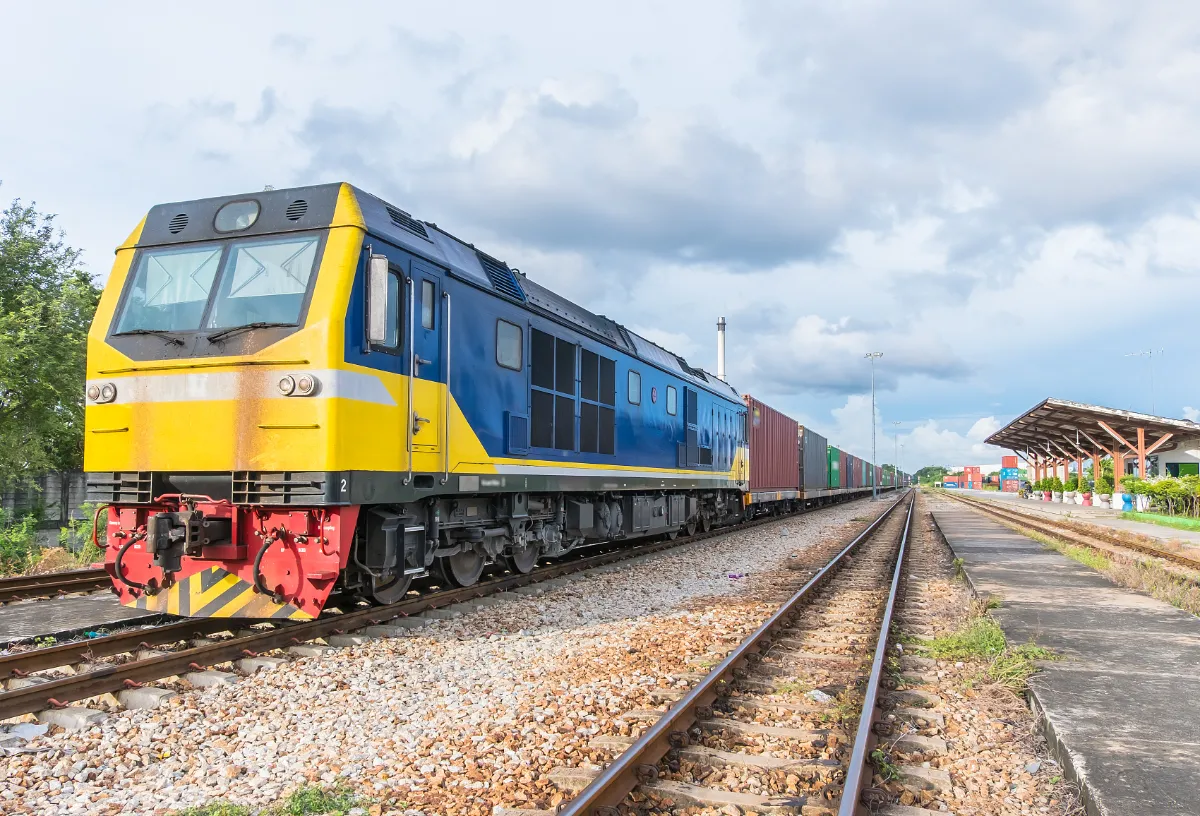
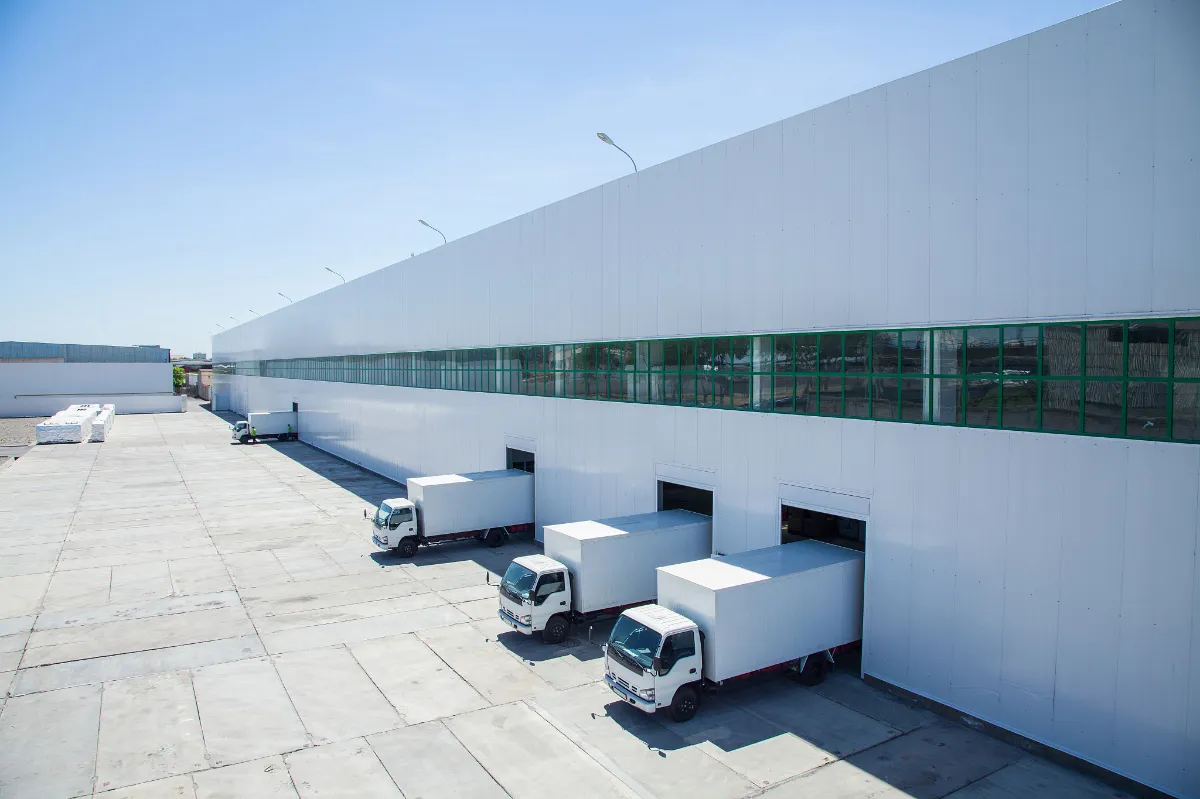
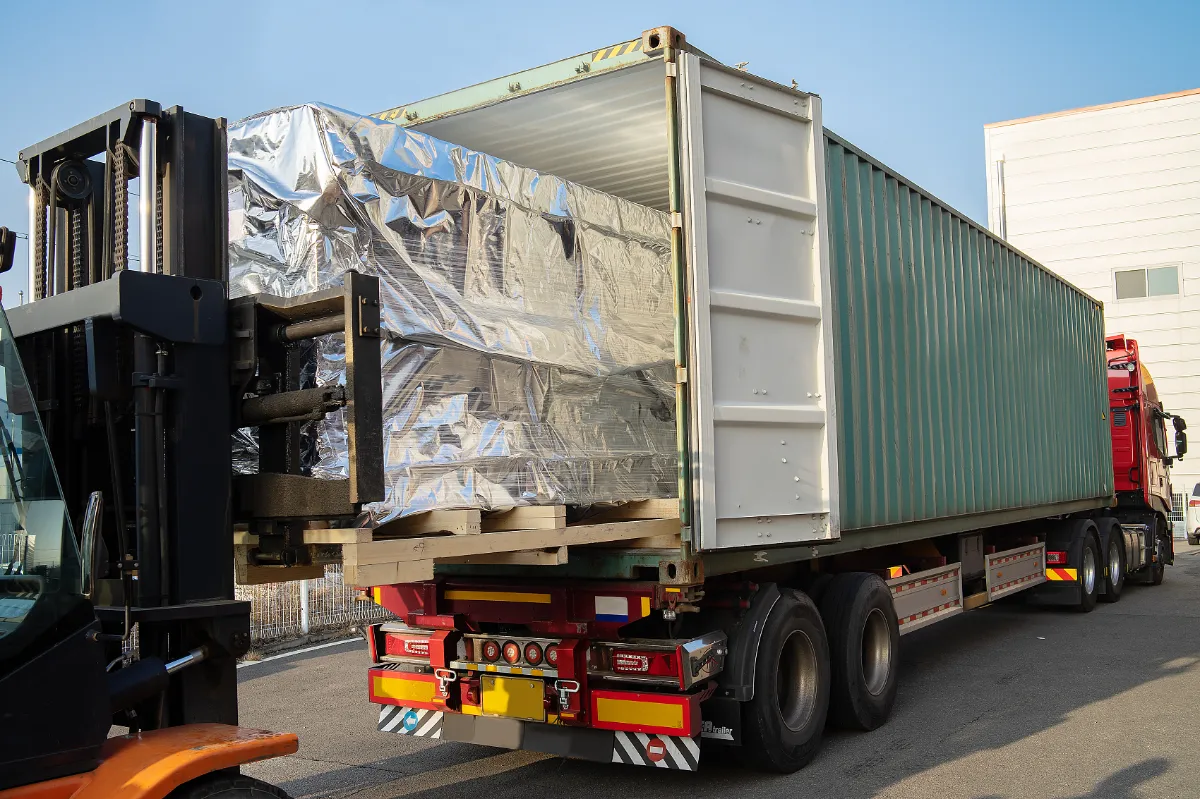
Inland freight handling represents a comprehensive logistics solution that manages the movement and processing of goods within continental territories, serving as the critical backbone of supply chain operations. This sophisticated system encompasses the strategic coordination of cargo transportation, storage, and distribution across various inland transportation modes including rail, road, and inland waterways. Modern inland freight handling operations integrate cutting-edge warehouse management systems, automated sorting technologies, and real-time tracking capabilities to ensure seamless cargo flow from origin to destination points. The primary functions of inland freight handling include cargo consolidation, where shipments from multiple sources are combined for efficient transportation, deconsolidation services that separate mixed cargo loads for individual delivery, and cross-docking operations that minimize storage time by transferring goods directly between inbound and outbound vehicles. Advanced technological features define contemporary inland freight handling facilities, incorporating RFID tracking systems, GPS monitoring, electronic data interchange protocols, and cloud-based inventory management platforms. These systems enable real-time visibility throughout the transportation process, allowing stakeholders to monitor shipment status, predict delivery times, and optimize routing decisions. Automated material handling equipment, including conveyor systems, robotic picking solutions, and intelligent sorting machinery, enhances operational efficiency while reducing human error rates. The applications of inland freight handling span diverse industries including manufacturing, retail, automotive, pharmaceutical, and e-commerce sectors. Distribution centers utilize inland freight handling to manage seasonal inventory fluctuations, support just-in-time manufacturing processes, and facilitate rapid order fulfillment for online retailers. Import-export businesses rely on these services to bridge the gap between international shipping terminals and final destination points, ensuring smooth customs clearance and onward transportation. The integration of sustainable practices within inland freight handling operations includes route optimization algorithms that reduce fuel consumption, electric vehicle adoption for short-haul deliveries, and energy-efficient warehouse designs that minimize environmental impact while maintaining operational excellence.

 EN
EN