Comprehensive Inland Freight Coordination Solutions - Optimize Your Logistics Operations

All Categories

inland freight coordination

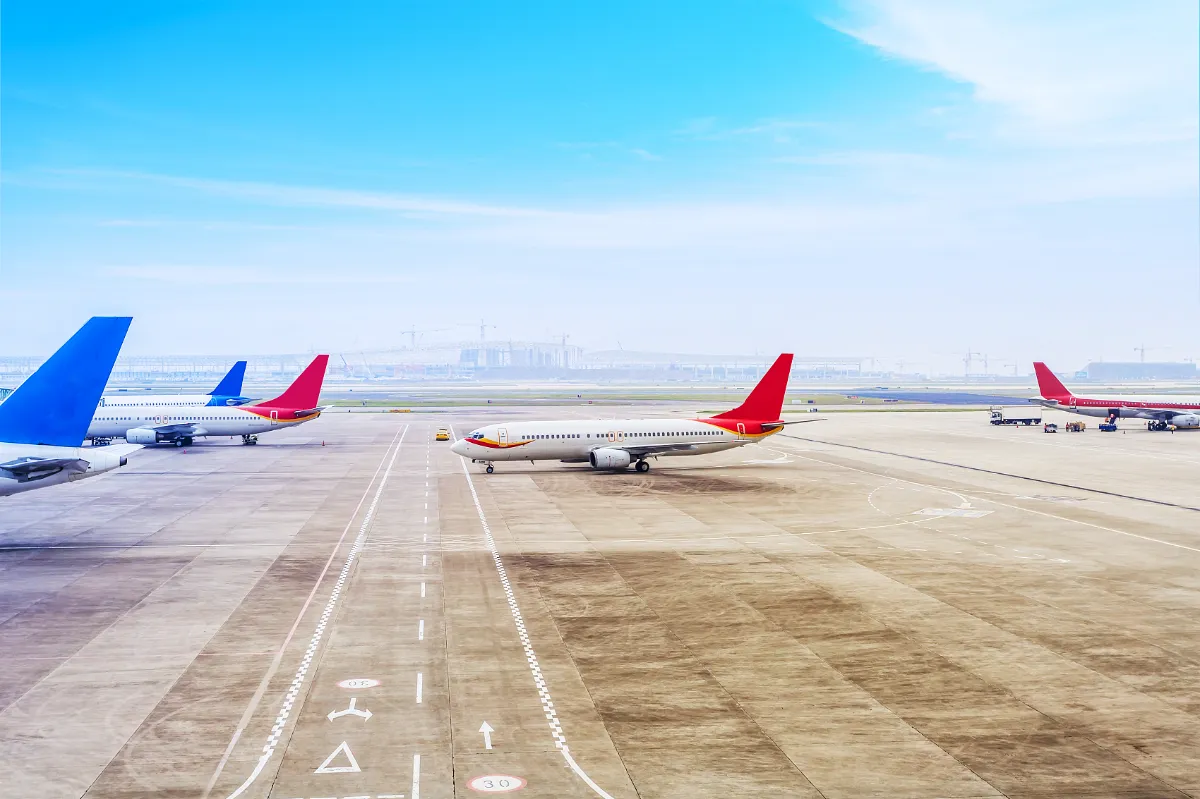
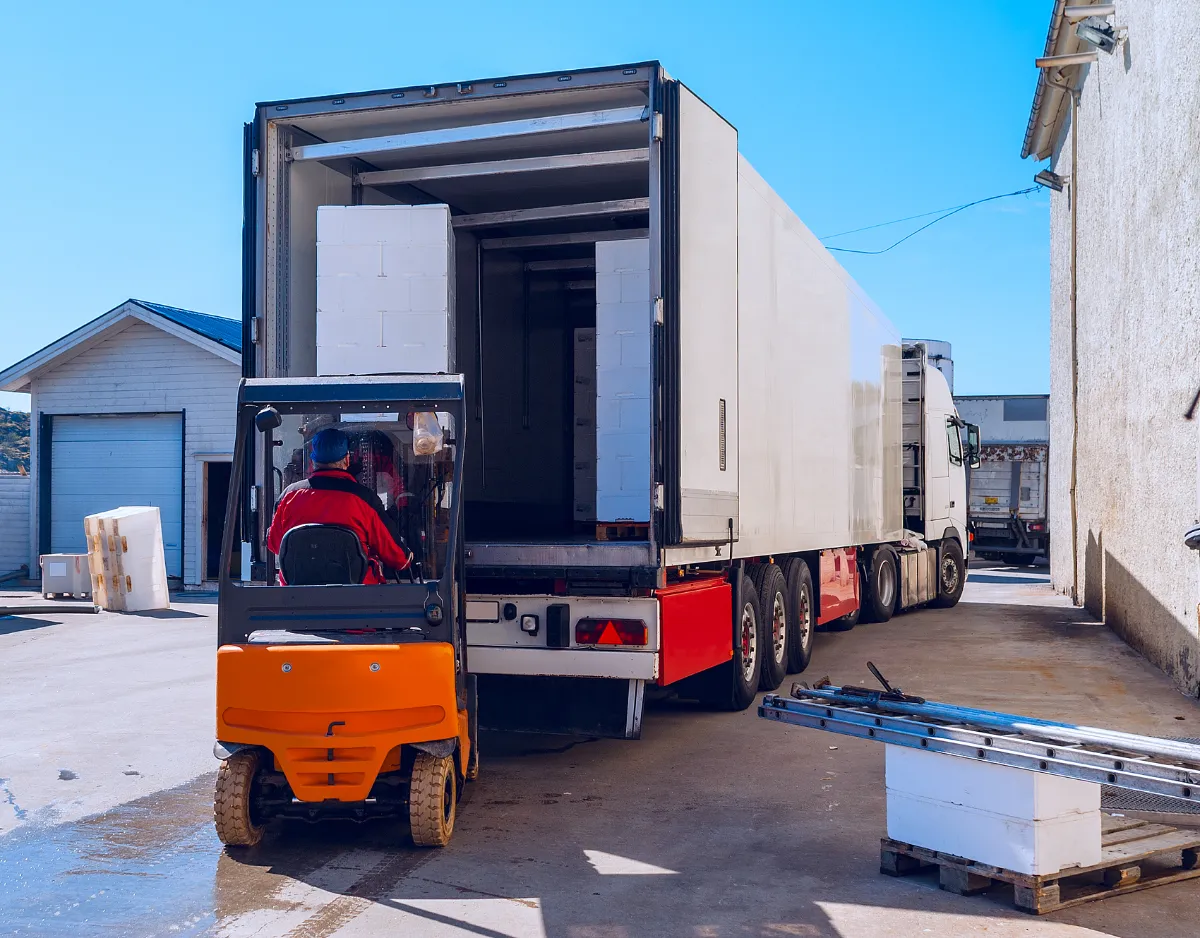
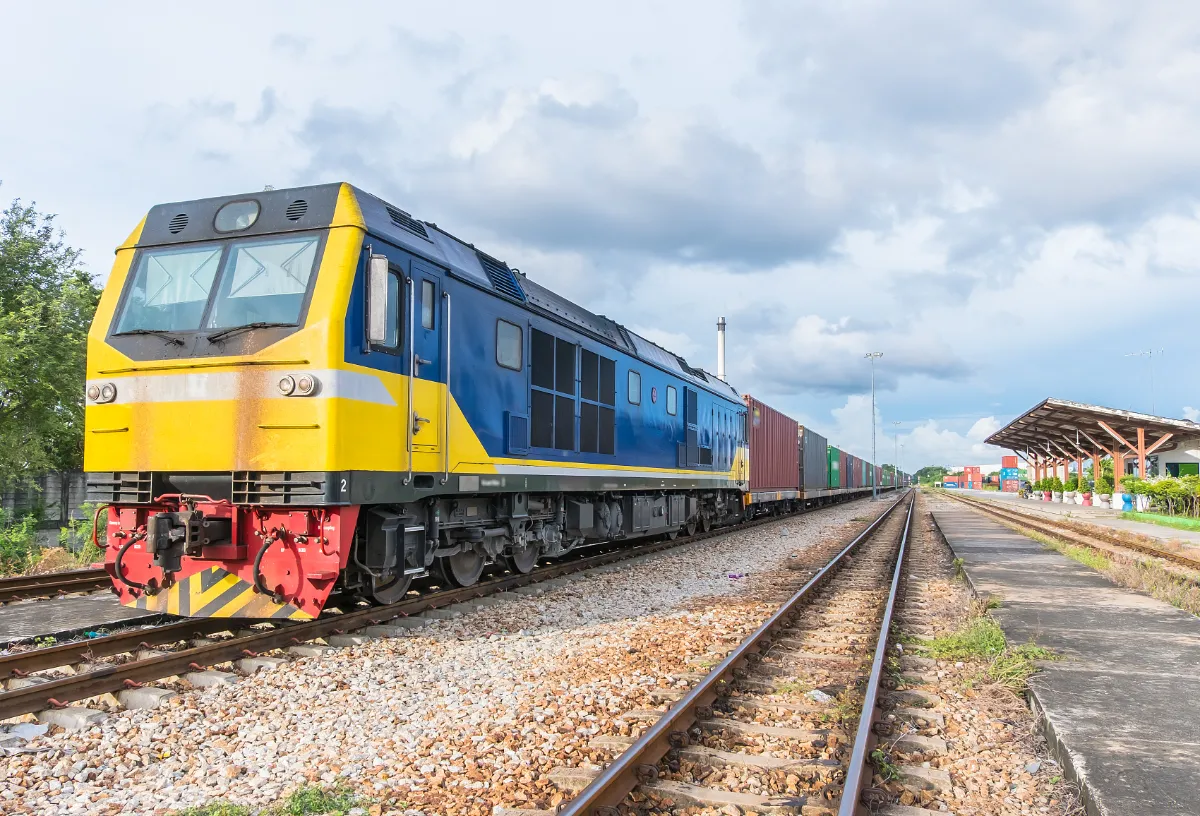
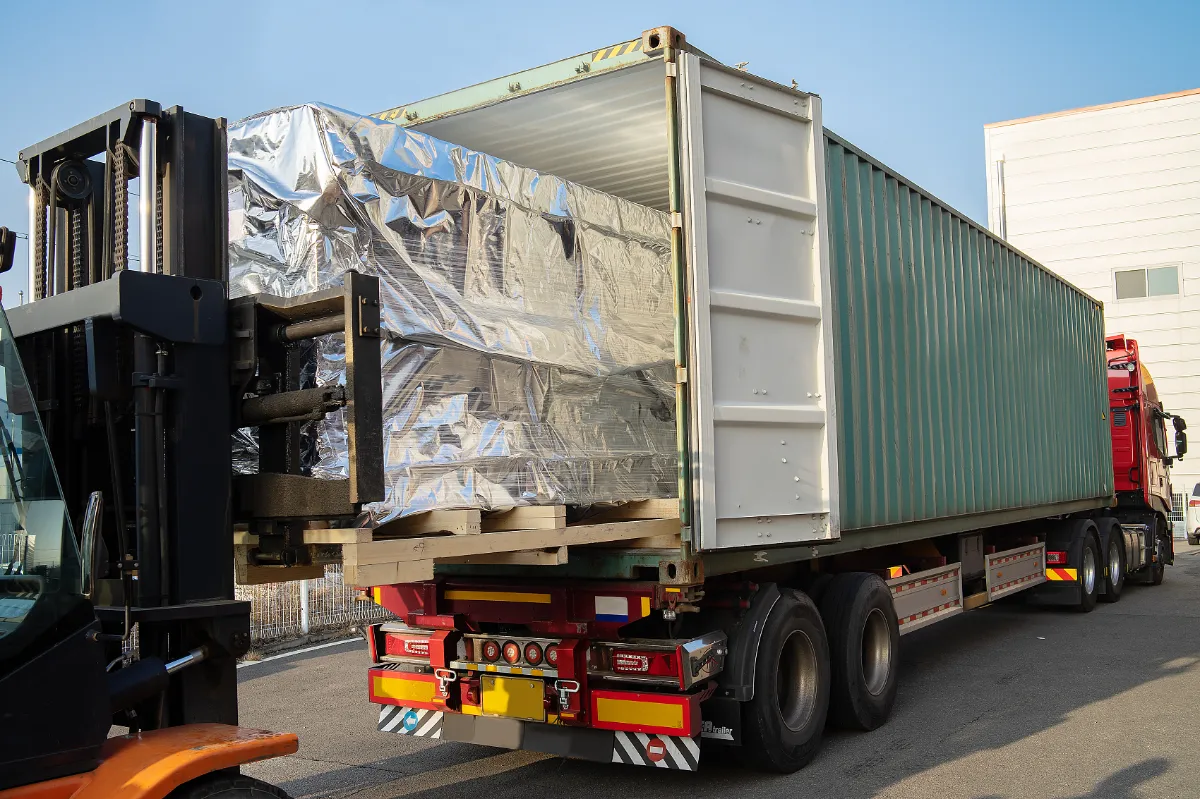
Inland freight coordination represents a comprehensive logistics management system that streamlines transportation operations across land-based networks. This sophisticated approach integrates multiple transportation modes, including trucking, rail, and intermodal services, to create seamless cargo movement from origin to destination. The primary functions of inland freight coordination encompass route optimization, carrier selection, shipment tracking, documentation management, and cost control. These systems utilize advanced algorithms to determine the most efficient pathways while considering factors such as distance, traffic patterns, fuel costs, and delivery timelines. Technological features include real-time GPS tracking, electronic data interchange capabilities, automated scheduling systems, and predictive analytics tools. These technologies enable operators to monitor shipments continuously, anticipate potential delays, and implement proactive solutions. The coordination platform typically integrates with warehouse management systems, enterprise resource planning software, and customer relationship management tools, creating a unified logistics ecosystem. Applications span across various industries, including manufacturing, retail, automotive, pharmaceuticals, and agriculture. Companies utilize inland freight coordination to manage raw material deliveries, finished product distribution, just-in-time inventory replenishment, and reverse logistics operations. The system proves particularly valuable for businesses operating multiple distribution centers or requiring complex multi-stop deliveries. Furthermore, inland freight coordination supports regulatory compliance by maintaining detailed records of transport activities, ensuring adherence to safety standards, and facilitating customs documentation for cross-border movements. Environmental sustainability becomes achievable through optimized routing that reduces fuel consumption and carbon emissions. The coordination system also enables better capacity utilization by consolidating shipments and eliminating empty backhauls, ultimately contributing to improved operational efficiency and reduced environmental impact.

New Products

Inland freight coordination delivers substantial cost savings through optimized route planning and consolidated shipments. Companies typically experience 15-25% reduction in transportation expenses by eliminating redundant trips and maximizing vehicle capacity utilization. The system automatically identifies the most cost-effective carriers and transportation modes for each shipment, ensuring businesses always receive competitive pricing. Real-time visibility transforms logistics operations by providing complete transparency throughout the transportation process. Customers can track their shipments at every stage, receiving instant notifications about pickup confirmations, transit updates, and delivery completions. This transparency eliminates the need for constant phone calls and emails to check shipment status, saving valuable time for both shippers and receivers. Enhanced reliability becomes evident through improved on-time delivery performance, typically increasing from industry averages of 85% to over 95%. The coordination system predicts potential delays using historical data and current traffic conditions, allowing proactive rerouting to maintain delivery schedules. Automated scheduling capabilities reduce human error and ensure optimal resource allocation. The system considers driver hours of service regulations, vehicle maintenance schedules, and customer delivery preferences to create realistic and achievable transportation plans. Scalability represents another significant advantage, as businesses can easily adapt their logistics operations to accommodate seasonal fluctuations or growth opportunities without investing in additional infrastructure. The coordination platform seamlessly integrates new carriers, routes, and destinations as business requirements evolve. Risk mitigation becomes more effective through comprehensive insurance coordination and carrier vetting processes. The system maintains detailed performance metrics for all transportation partners, enabling data-driven decisions about carrier relationships. Advanced analytics provide insights into transportation patterns, helping businesses identify opportunities for further optimization and cost reduction. Customer satisfaction improves dramatically through consistent communication, accurate delivery estimates, and proactive issue resolution. The system sends automated notifications to end customers, providing them with real-time updates and allowing them to plan accordingly for shipment arrivals.

Tips And Tricks

Why Express Freight is Essential for E-Commerce

26

Jun

Why Express Freight is Essential for E-Commerce

Meeting Consumer Expectations for Speed and Reliability Two-day Delivery Becoming Table Stakes for Cart Conversion Fast shipping has become something customers expect rather than just want when shopping online these days. Research shows around 7 ou...
View More
How to Choose the Right Sea Freight Forwarder for Your Business

22

Jul

How to Choose the Right Sea Freight Forwarder for Your Business

Strengthening Logistics Through Professional Support In an increasingly interconnected global marketplace, businesses of all sizes depend on reliable international shipping solutions. Sea freight remains a vital mode of transport for moving goods acr...
View More
Sea Freight vs Air Freight: Which Is More Cost-Effective for You?

22

Jul

Sea Freight vs Air Freight: Which Is More Cost-Effective for You?

Comparing International Shipping Solutions When it comes to global trade and logistics, choosing the most suitable shipping method can significantly impact your business's bottom line. Among the most widely used options are sea freight and air freigh...
View More
Air Freight vs Sea Freight: Which Delivers Better Efficiency?

18

Sep

Air Freight vs Sea Freight: Which Delivers Better Efficiency?

Understanding Modern Shipping Solutions for Global Trade In today's interconnected global marketplace, choosing the right freight transportation method can significantly impact a business's success. The debate between air freight vs sea freight conti...
View More

Get a Free Quote

Our representative will contact you soon.
Email
Name
Company Name
Message
0/1000

inland freight coordination

Advanced Real-Time Tracking and Visibility Solutions

Advanced Real-Time Tracking and Visibility Solutions

Modern inland freight coordination systems leverage cutting-edge GPS technology and IoT sensors to provide unprecedented visibility into shipment movements. This comprehensive tracking capability extends beyond simple location updates to include environmental monitoring such as temperature, humidity, and shock detection for sensitive cargo. The real-time visibility feature transforms traditional logistics operations by eliminating blind spots that previously caused uncertainty and inefficiency. Customers gain access to user-friendly dashboards that display shipment progress on interactive maps, complete with estimated arrival times that automatically update based on current conditions. The system captures detailed milestone events throughout the transportation journey, including pickup confirmations, checkpoint passages, and delivery completions. Advanced alert mechanisms notify stakeholders immediately when deviations occur, such as unexpected route changes, traffic delays, or potential security breaches. This proactive communication enables rapid response to emerging issues, often resolving problems before they impact delivery schedules. The tracking data integrates seamlessly with inventory management systems, allowing businesses to optimize stock levels based on incoming shipment visibility. Warehouse operations benefit from accurate arrival predictions, enabling efficient labor scheduling and dock door assignments. The historical tracking data creates valuable analytics that reveal transportation patterns, carrier performance trends, and seasonal variations in delivery times. These insights empower logistics managers to make informed decisions about future shipment planning and carrier selection. Furthermore, the tracking system supports regulatory compliance by maintaining comprehensive audit trails that document chain of custody and adherence to transportation regulations. The enhanced visibility also improves customer service capabilities, as support teams can provide accurate, real-time updates to inquiring customers without requiring time-consuming carrier communications. This level of transparency builds trust between businesses and their customers, ultimately leading to stronger commercial relationships and increased customer loyalty.
Intelligent Route Optimization and Cost Management

Intelligent Route Optimization and Cost Management

Inland freight coordination systems employ sophisticated algorithms that analyze multiple variables to determine the most efficient and cost-effective transportation routes. These intelligent optimization engines consider factors including distance, traffic patterns, fuel costs, toll charges, driver availability, vehicle capacity, and delivery time windows. The system continuously processes real-time data from traffic monitoring services, weather forecasts, and construction updates to dynamically adjust routes as conditions change. This adaptive approach ensures that shipments consistently follow the most advantageous pathways, avoiding congestion and minimizing delays. The optimization algorithms also excel at consolidating shipments to maximize vehicle utilization, reducing the number of required trips and associated costs. Load planning capabilities automatically determine the most efficient way to arrange cargo within vehicles, considering weight distribution, product compatibility, and delivery sequence. Multi-stop route optimization ensures that delivery trucks follow the most logical sequence when serving multiple destinations, minimizing total travel time and fuel consumption. The cost management features provide detailed analysis of transportation expenses, breaking down costs by route, carrier, fuel usage, and accessorial charges. Automated invoice auditing capabilities verify carrier charges against contracted rates, identifying discrepancies and ensuring accurate billing. The system maintains comprehensive databases of carrier rates and service capabilities, enabling instant price comparisons and optimal carrier selection for each shipment. Predictive analytics identify cost-saving opportunities by analyzing historical shipping patterns and suggesting consolidation possibilities or alternative routing options. Budget management tools help businesses forecast transportation expenses and monitor spending against allocated budgets. The optimization system also considers environmental factors, calculating carbon emissions for different routing options and enabling businesses to choose more sustainable transportation alternatives. Return load optimization identifies opportunities to secure profitable backhauls, further reducing overall transportation costs while maximizing asset utilization for carrier partners.
Seamless Integration and Automated Workflow Management

Seamless Integration and Automated Workflow Management

Inland freight coordination platforms excel in creating unified logistics ecosystems through comprehensive integration capabilities that connect disparate business systems and processes. These platforms seamlessly interface with enterprise resource planning systems, warehouse management software, customer relationship management tools, and e-commerce platforms, creating a cohesive operational environment. The integration eliminates data silos and manual data entry requirements, reducing errors and improving operational efficiency. Automated workflow management transforms routine logistics tasks by implementing intelligent business rules that trigger appropriate actions based on predefined conditions. Order processing workflows automatically generate shipment requirements when sales orders are confirmed, immediately initiating carrier selection and route planning processes. The system manages complex approval workflows for high-value shipments or special handling requirements, ensuring proper authorization while maintaining operational speed. Document management automation generates and distributes required paperwork including bills of lading, shipping labels, customs documentation, and delivery receipts. Electronic data interchange capabilities facilitate seamless communication with trading partners, carriers, and regulatory authorities, reducing processing times and eliminating paper-based inefficiencies. Exception management workflows automatically identify and escalate issues requiring human intervention, such as delivery delays, damage claims, or carrier capacity constraints. The automated systems maintain detailed audit trails documenting all workflow activities, supporting compliance requirements and performance analysis. Notification automation keeps all stakeholders informed throughout the shipping process, sending customized alerts to appropriate personnel based on their roles and responsibilities. The platform supports configurable business rules that adapt to specific industry requirements or company policies, ensuring that automated processes align with operational standards. Integration with financial systems enables automatic cost allocation, invoice generation, and payment processing, streamlining accounting procedures. The workflow automation extends to carrier onboarding and management, automatically collecting required documentation, insurance certificates, and performance metrics to maintain qualified carrier networks.

Get a Free Quote

Our representative will contact you soon.
Email
Name
Company Name
Message
0/1000

Get a Free Quote

Our representative will contact you soon.
Email
Name
Company Name
Message
0/1000