Professional Inland Freight Delivery Services - Reliable Transportation Solutions

All Categories

inland freight delivery

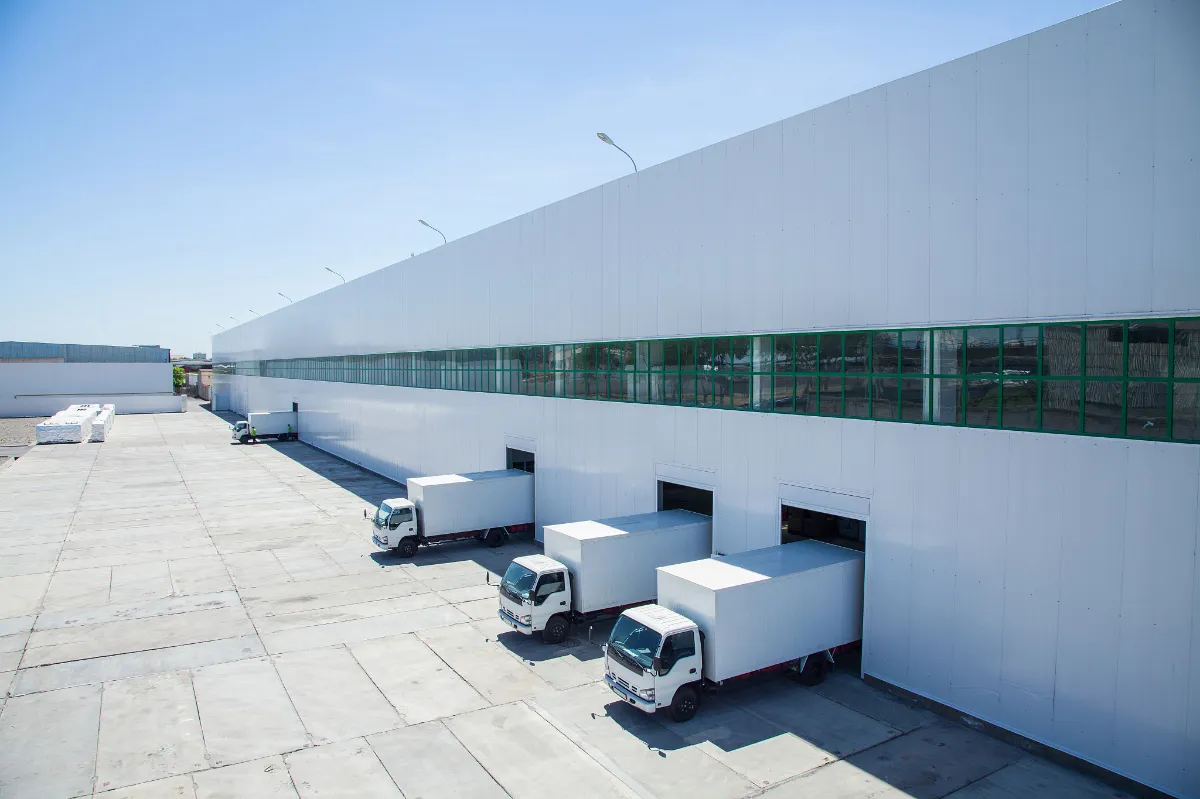
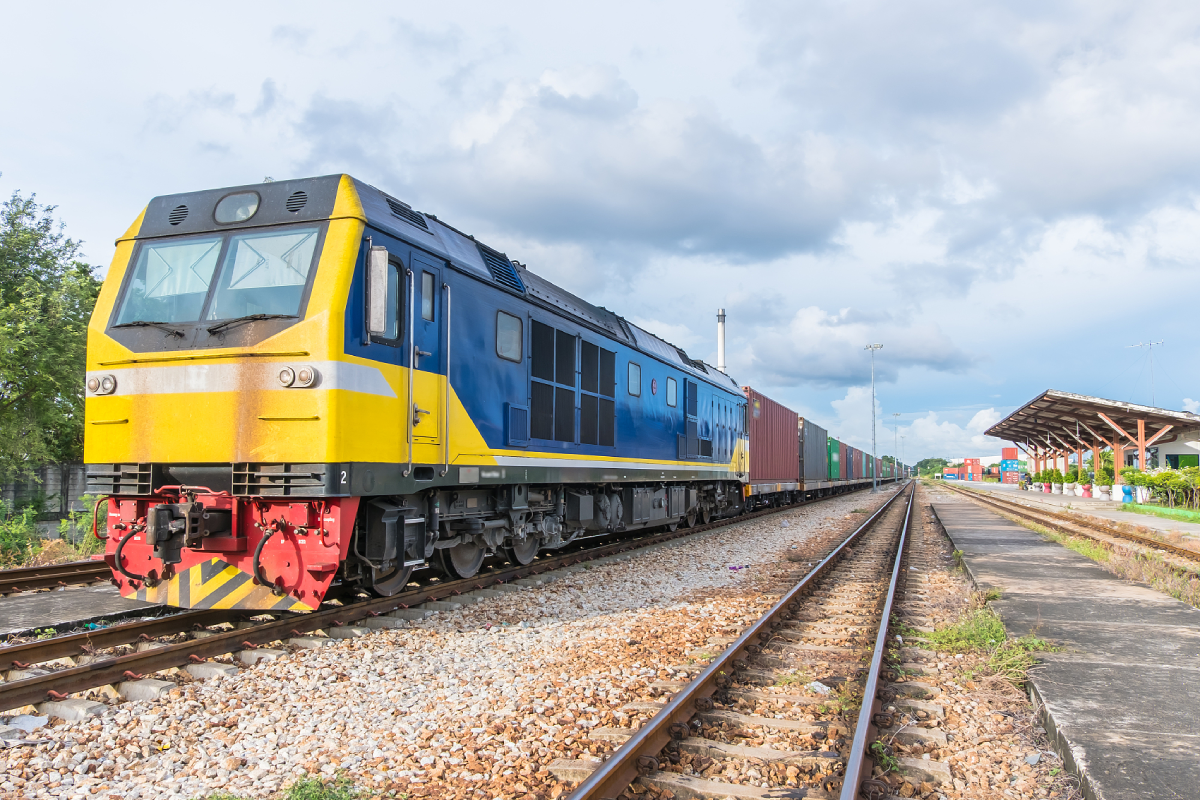
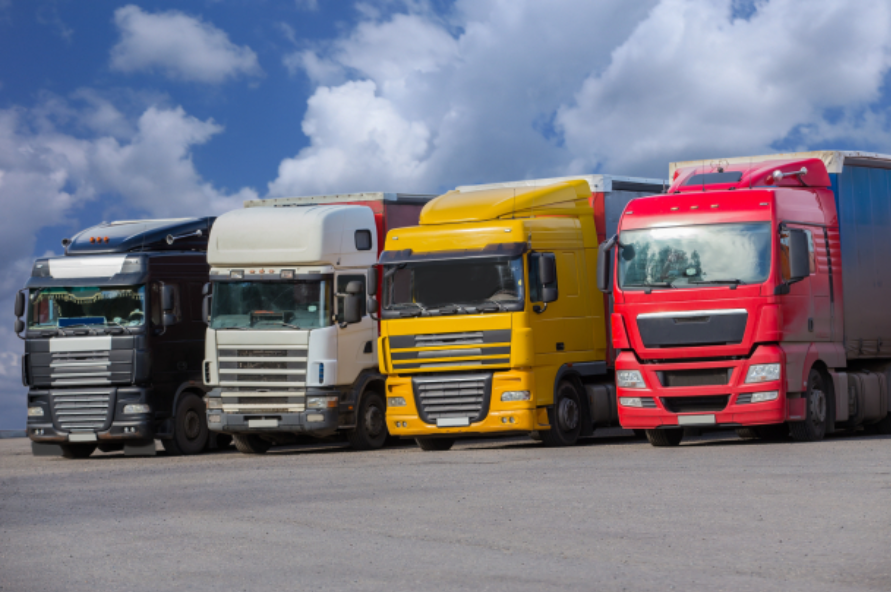
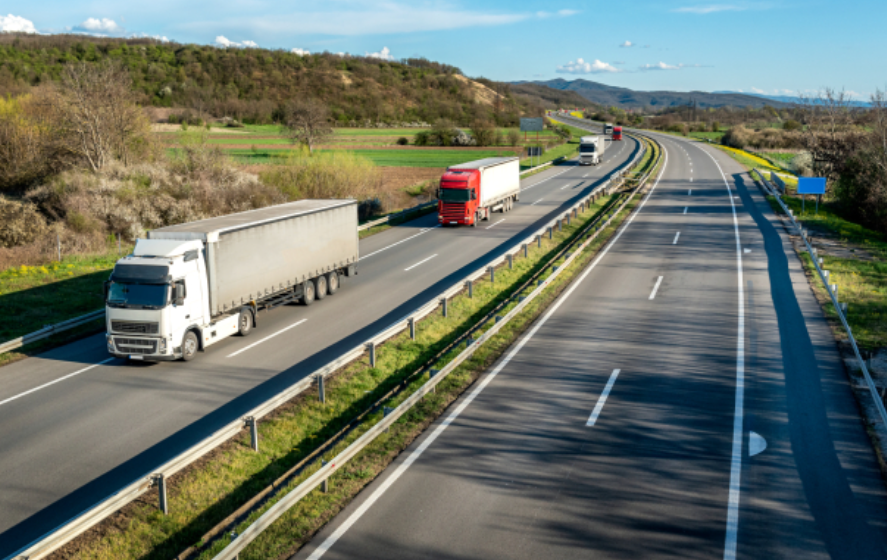
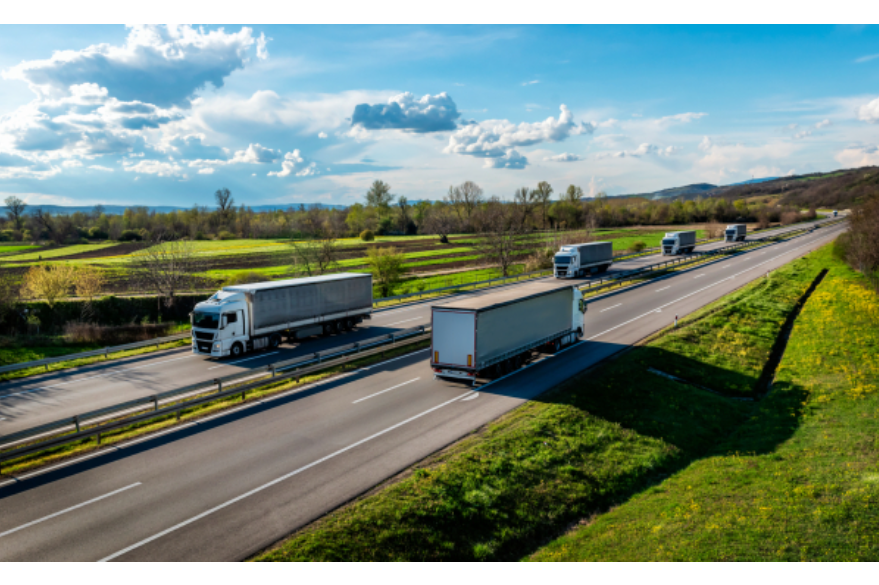
Inland freight delivery represents a comprehensive transportation solution that moves goods and commodities across continental landmasses through various ground-based transportation modes. This essential logistics service encompasses trucking, rail transport, and intermodal combinations to ensure efficient movement of cargo from origin points to destination facilities. The primary function of inland freight delivery involves bridging the gap between manufacturing centers, distribution hubs, and end consumers through strategically planned transportation networks. Modern inland freight delivery systems integrate sophisticated route optimization algorithms, real-time tracking capabilities, and automated scheduling platforms to maximize efficiency and minimize delivery timeframes. These technological features enable precise cargo monitoring throughout the transportation process, providing stakeholders with complete visibility into shipment status and expected arrival times. Advanced fleet management systems utilize GPS positioning, telemetrics data collection, and predictive maintenance scheduling to ensure optimal vehicle performance and reduce unexpected delays. The applications of inland freight delivery span numerous industries including manufacturing, retail, automotive, agriculture, and e-commerce sectors. Companies rely on these services to maintain supply chain continuity, support just-in-time inventory management, and facilitate seamless product distribution across regional markets. Inland freight delivery operations utilize specialized equipment configurations tailored to specific cargo requirements, from temperature-controlled units for perishable goods to heavy-haul trailers for oversized industrial equipment. Integration capabilities with existing enterprise resource planning systems allow businesses to synchronize transportation activities with production schedules and customer demands. The service framework encompasses both less-than-truckload and full-truckload options, providing flexible solutions that accommodate varying shipment volumes and budget constraints. Environmental considerations drive innovation in inland freight delivery through adoption of fuel-efficient vehicles, alternative energy sources, and optimized routing strategies that reduce carbon emissions while maintaining service reliability and cost-effectiveness for commercial transportation needs.

New Product Recommendations

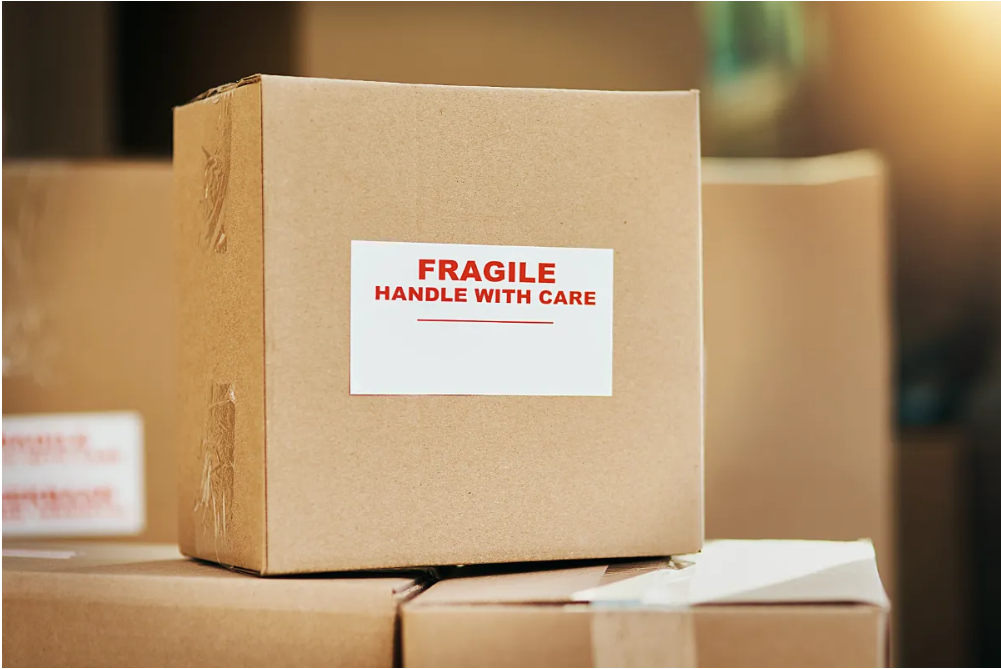
Inland freight delivery offers substantial cost savings compared to alternative transportation methods, enabling businesses to optimize their logistics budgets while maintaining reliable service standards. Companies experience significant reductions in shipping expenses through consolidated cargo loads, efficient route planning, and elimination of unnecessary handling procedures that typically increase overall transportation costs. The flexibility of inland freight delivery allows businesses to adapt quickly to changing market demands and seasonal fluctuations in shipping volumes. Service providers offer customizable delivery schedules that align with production cycles and customer requirements, ensuring optimal inventory management and reduced storage costs. Enhanced reliability emerges as a key advantage through established transportation networks that minimize delays and provide consistent delivery performance. Inland freight delivery systems maintain extensive backup options and alternative routing capabilities that ensure continuity even during unexpected disruptions or adverse weather conditions. Improved cargo security features protect valuable shipments through advanced tracking systems, secure loading procedures, and comprehensive insurance coverage options. Real-time monitoring capabilities enable immediate response to potential security threats or routing deviations, providing peace of mind for high-value cargo transportation. The scalability of inland freight delivery services accommodates business growth without requiring significant infrastructure investments from individual companies. Service providers maintain diverse fleet compositions and capacity options that expand or contract based on customer demands, eliminating the need for businesses to purchase and maintain their own transportation assets. Environmental benefits result from consolidated shipping practices that reduce overall vehicle miles traveled and corresponding carbon emissions. Shared transportation resources maximize trailer utilization rates and minimize empty backhaul trips, contributing to more sustainable logistics operations. Professional handling standards ensure proper cargo care throughout the transportation process, reducing damage rates and associated replacement costs. Trained drivers and specialized equipment protect goods from environmental factors, improper loading practices, and handling errors that could compromise product quality. Technology integration streamlines administrative processes through automated documentation, electronic proof of delivery, and seamless communication between all stakeholders. Digital platforms eliminate paperwork delays, reduce human error rates, and provide comprehensive reporting capabilities that support strategic decision-making and performance analysis for continuous improvement initiatives.

Tips And Tricks

Why Express Freight is Essential for E-Commerce

26

Jun

Why Express Freight is Essential for E-Commerce

Meeting Consumer Expectations for Speed and Reliability Two-day Delivery Becoming Table Stakes for Cart Conversion Fast shipping has become something customers expect rather than just want when shopping online these days. Research shows around 7 ou...
View More
Main Modes of Transport in Multimodal Shipping

26

Jun

Main Modes of Transport in Multimodal Shipping

Core Transportation Modes in Multimodal Systems Airfreight: High-Speed Solutions for Time-Critical Shipments Air freight remains really important for logistics these days, especially when something needs to get somewhere quickly. Companies can ship...
View More
How Multimodal Transport Improves Logistics Efficiency?

26

Jun

How Multimodal Transport Improves Logistics Efficiency?

Streamlined Documentation Through Single Through-Bills Eliminating Redundant Paperwork Across Transport Modes When companies switch to single through-bills, they end up dealing with way less paperwork across all those different transportation metho...
View More
What Is 3PL and How Can It Improve Your Warehousing Efficiency?

05

Aug

What Is 3PL and How Can It Improve Your Warehousing Efficiency?

Understanding the Transformative Power of 3PL in Modern Warehousing The logistics landscape has evolved dramatically with the rise of third-party logistics providers offering comprehensive solutions that redefine warehouse efficiency. 3PL services e...
View More

Get a Free Quote

Our representative will contact you soon.
Email
Name
Company Name
Message
0/1000

inland freight delivery

Advanced Route Optimization Technology

Advanced Route Optimization Technology

The sophisticated route optimization technology employed in modern inland freight delivery systems revolutionizes transportation efficiency through intelligent algorithm-driven planning and execution. This cutting-edge technology analyzes multiple variables simultaneously, including traffic patterns, weather conditions, fuel consumption rates, driver hours-of-service regulations, and delivery time windows to determine the most efficient transportation routes. Machine learning algorithms continuously improve routing decisions by processing historical performance data and identifying patterns that human planners might overlook. The system automatically adjusts routes in real-time based on changing conditions such as traffic congestion, road closures, or emergency situations, ensuring minimal delays and optimal fuel efficiency. Dynamic route recalculation capabilities enable immediate responses to unexpected circumstances while maintaining delivery commitments and service level agreements. Geographic information systems integration provides detailed mapping functionality that accounts for vehicle restrictions, bridge heights, weight limitations, and hazardous material routing requirements. The technology supports multi-stop optimization that sequences deliveries in the most efficient order, reducing total travel time and maximizing daily delivery capacity. Predictive analytics components forecast potential delays and recommend proactive measures to maintain schedule integrity. Fleet managers benefit from comprehensive reporting dashboards that analyze route performance metrics, identify improvement opportunities, and track key performance indicators across all transportation activities. The optimization technology seamlessly integrates with existing transportation management systems, enabling seamless data exchange and unified operational visibility. Environmental impact considerations are automatically incorporated into routing decisions, promoting sustainability through reduced fuel consumption and lower carbon emissions. Customer communication features provide automated updates regarding delivery status changes and estimated arrival times, enhancing transparency and customer satisfaction. The scalability of this technology accommodates growing business needs without requiring proportional increases in operational complexity or resource allocation, making it an invaluable asset for companies seeking to improve their inland freight delivery operations.
Comprehensive Real-Time Tracking and Visibility

Comprehensive Real-Time Tracking and Visibility

Comprehensive real-time tracking and visibility capabilities transform inland freight delivery operations by providing unprecedented transparency and control over shipment movements from origin to destination. Advanced GPS tracking systems monitor vehicle locations continuously, updating position information every few minutes to ensure accurate shipment status reporting. Sophisticated sensor technology installed on trailers and cargo containers monitors environmental conditions such as temperature, humidity, shock, and tilt angles to ensure proper cargo handling throughout the transportation process. Electronic logging devices automatically record driver activities, vehicle performance data, and regulatory compliance information, eliminating manual documentation errors and ensuring accurate record-keeping. Geofencing capabilities establish virtual boundaries around delivery locations, distribution centers, and critical route points, triggering automatic notifications when vehicles enter or exit designated areas. Mobile applications enable drivers to communicate directly with dispatchers and customers, providing instant updates regarding delivery progress, potential delays, or special handling requirements. Barcode and RFID scanning technologies create detailed audit trails for individual packages and pallets, ensuring accurate inventory management and reducing loss or misplacement incidents. Integration with customer enterprise resource planning systems enables seamless information sharing between transportation providers and business stakeholders, facilitating proactive decision-making and exception management. Exception monitoring algorithms automatically identify deviations from planned routes, unexpected stops, or unusual delivery delays, enabling immediate intervention to resolve issues before they impact customer satisfaction. Historical tracking data supports detailed performance analysis, helping businesses identify trends, optimize processes, and make informed strategic decisions regarding their transportation partnerships. Customizable reporting features generate automated summaries of delivery performance, compliance metrics, and service level achievements, supporting continuous improvement initiatives and contract management activities. The visibility platform supports multiple user access levels, allowing different stakeholders to access relevant information while maintaining appropriate security controls over sensitive operational data. Real-time alerts notify relevant parties immediately when critical events occur, such as delivery completions, temperature excursions, or unexpected route deviations, enabling rapid response and issue resolution.

Flexible Capacity Management Solutions

Flexible Capacity Management Solutions

Flexible capacity management solutions in inland freight delivery provide businesses with dynamic transportation options that adapt seamlessly to changing market demands and seasonal fluctuations in shipping volumes. This adaptability eliminates the need for companies to maintain expensive private fleets or commit to rigid transportation contracts that may not align with actual shipping requirements. Scalable service offerings accommodate everything from small package shipments to full truckload movements, allowing businesses to optimize their transportation spend based on actual cargo volumes rather than predetermined capacity commitments. Surge capacity capabilities ensure adequate transportation resources during peak shipping periods, holiday seasons, or unexpected demand spikes without requiring long-term contractual obligations or infrastructure investments. Load consolidation services combine multiple smaller shipments into efficient full truckload movements, reducing per-unit transportation costs while maintaining reliable delivery schedules. Cross-docking facilities enable seamless transfers between different transportation modes and routes, optimizing network efficiency and reducing handling costs. Dedicated fleet services provide exclusive vehicle assignments for high-volume customers who require consistent capacity and specialized equipment configurations. Shared transportation pools allow smaller businesses to access professional transportation services at competitive rates by participating in consolidated shipping programs. Flexible scheduling options accommodate unique business requirements such as just-in-time deliveries, weekend operations, or off-peak shipping preferences. Equipment specialization ensures appropriate vehicle configurations for specific cargo types, including temperature-controlled units, flatbed trailers, specialized containers, and heavy-haul equipment. Regional coverage networks provide comprehensive service availability across extensive geographic areas without requiring multiple vendor relationships or complex coordination efforts. Backup capacity reserves ensure service continuity during equipment failures, driver shortages, or unexpected demand increases. Volume-based pricing structures reward consistent shipping volumes with improved rates while maintaining flexibility for occasional shipment variations. Technology integration enables seamless capacity booking, modification, and tracking through user-friendly online platforms and mobile applications. Performance guarantees provide service level commitments backed by financial penalties, ensuring reliable capacity availability when businesses need it most. This comprehensive approach to capacity management transforms transportation from a fixed cost into a variable expense that scales appropriately with business growth and market conditions.

Get a Free Quote

Our representative will contact you soon.
Email
Name
Company Name
Message
0/1000

Get a Free Quote

Our representative will contact you soon.
Email
Name
Company Name
Message
0/1000