inland freight transport
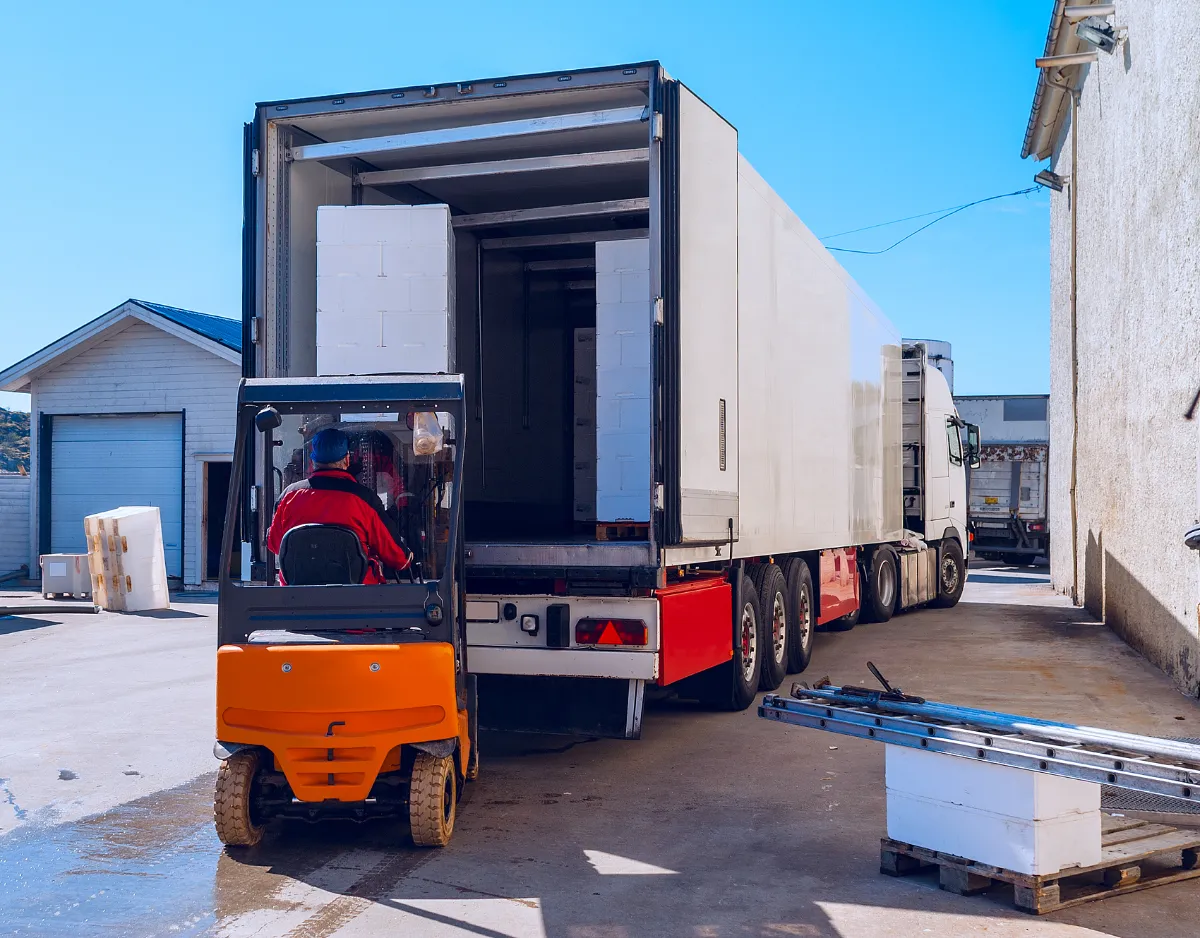
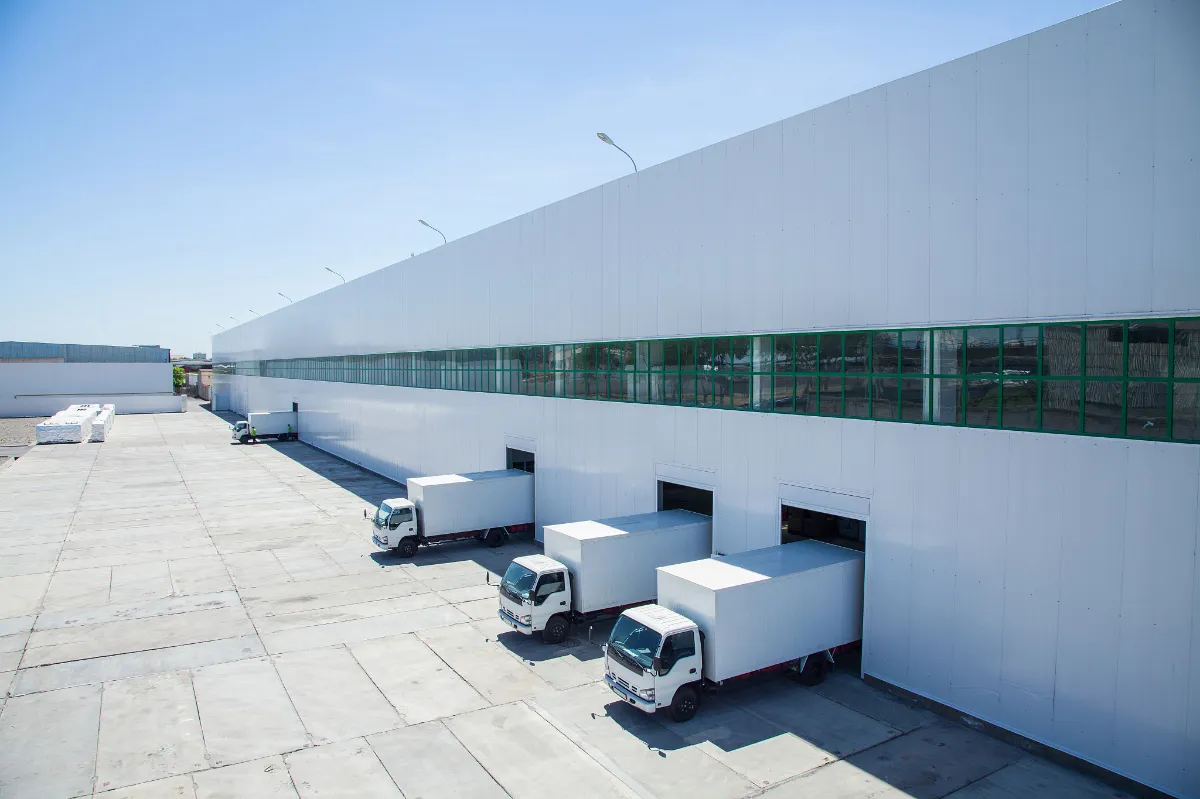
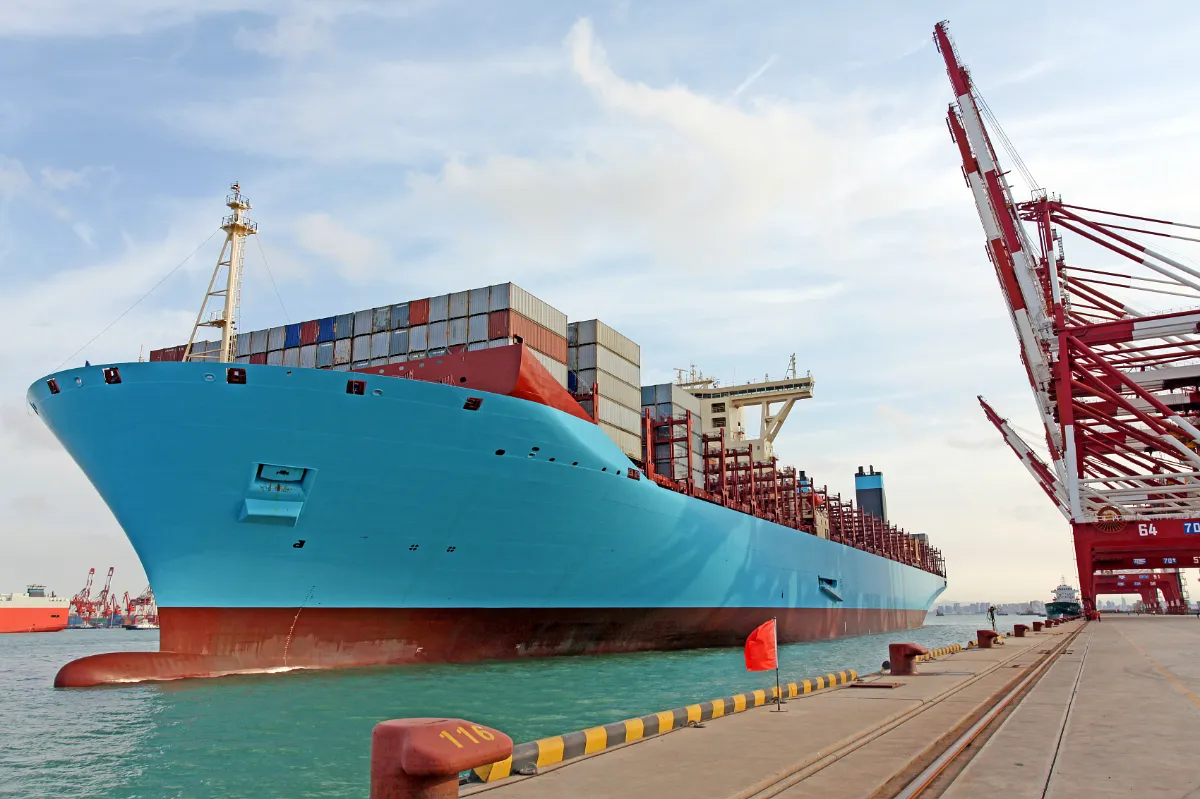
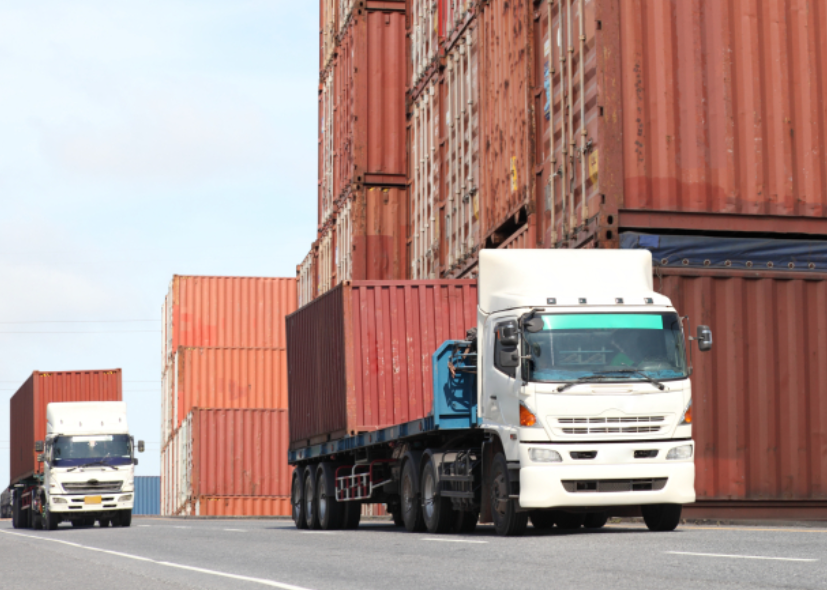
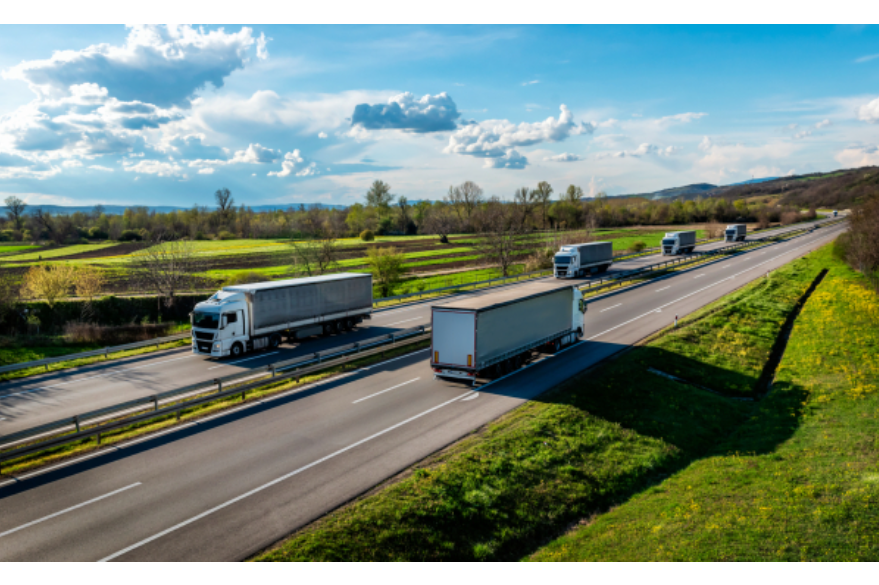
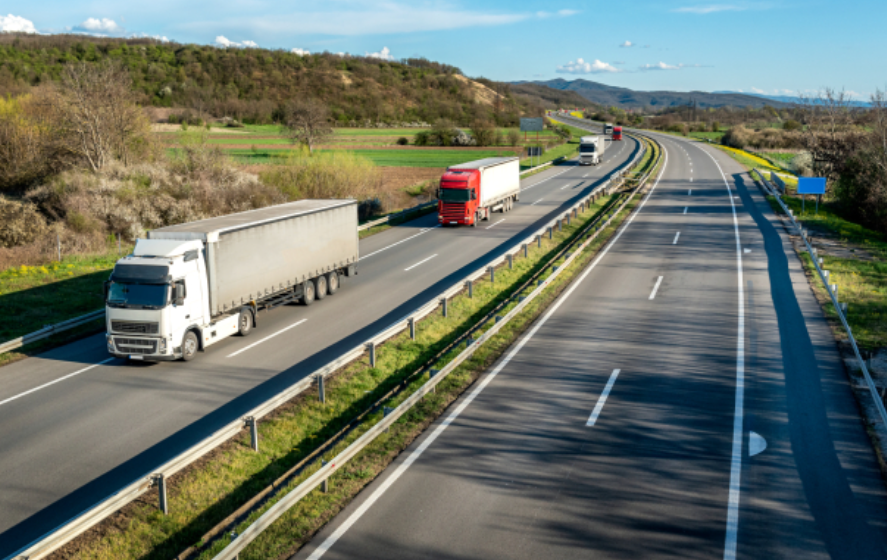
Inland freight transport represents the backbone of modern logistics and supply chain management, encompassing the movement of goods across continental territories through various land-based transportation modes. This comprehensive system integrates multiple transport methods including trucking, rail freight, inland waterways, and pipeline networks to facilitate efficient cargo movement between manufacturing centers, distribution hubs, and consumer markets. The primary functions of inland freight transport revolve around connecting production facilities with end-users while providing cost-effective solutions for bulk commodity movement and time-sensitive deliveries. Modern inland freight transport systems leverage advanced technological features such as GPS tracking systems, electronic logging devices, automated scheduling platforms, and real-time cargo monitoring solutions. These technologies enable precise route optimization, enhanced security protocols, and improved delivery accuracy across diverse geographical regions. The integration of Internet of Things sensors and artificial intelligence algorithms further enhances operational efficiency by predicting maintenance requirements, optimizing fuel consumption, and streamlining warehouse operations. Applications of inland freight transport span numerous industries including manufacturing, agriculture, retail, automotive, and energy sectors. The system supports just-in-time manufacturing processes by ensuring reliable component deliveries, facilitates agricultural product distribution from rural farming communities to urban markets, and enables efficient retail inventory management through coordinated distribution networks. Additionally, inland freight transport plays a crucial role in supporting international trade by providing essential connections between seaports, airports, and inland destinations. The multimodal nature of these transport networks allows for seamless cargo transfers between different transport modes, reducing handling costs and minimizing transit times while maintaining cargo integrity throughout the supply chain journey.

 EN
EN