air and land logistics
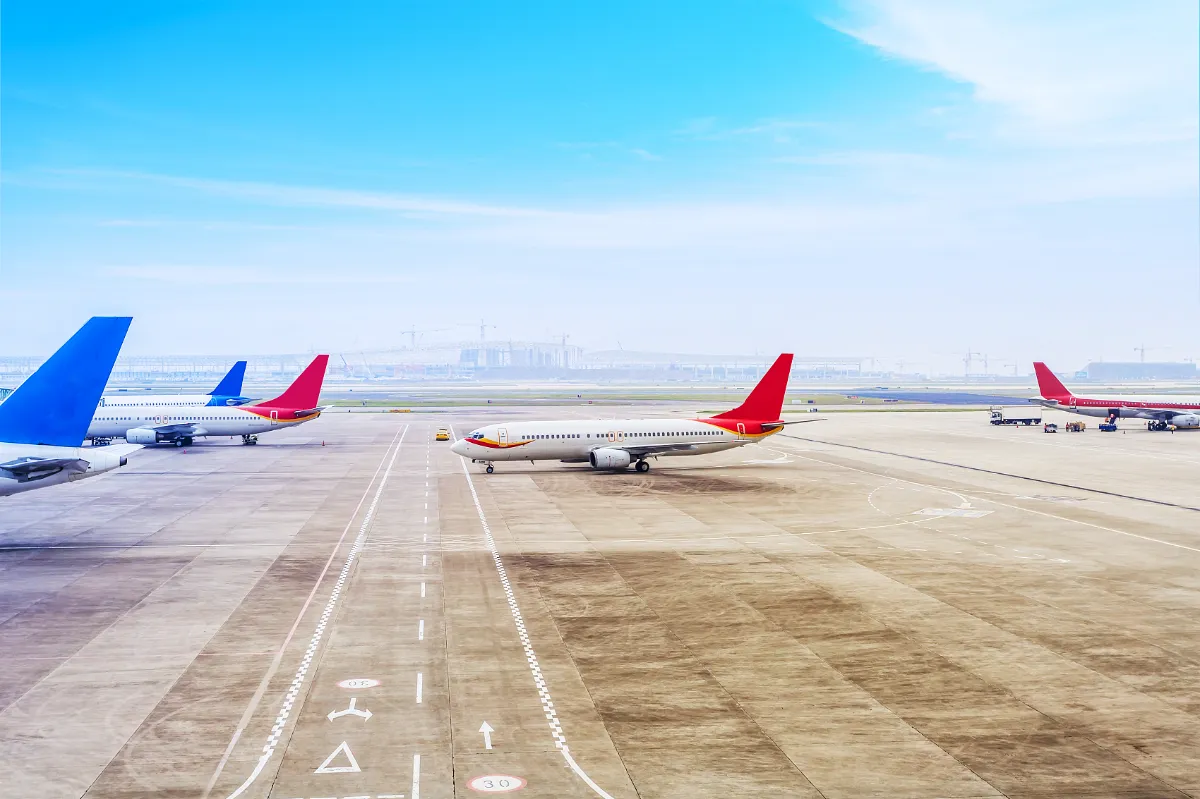
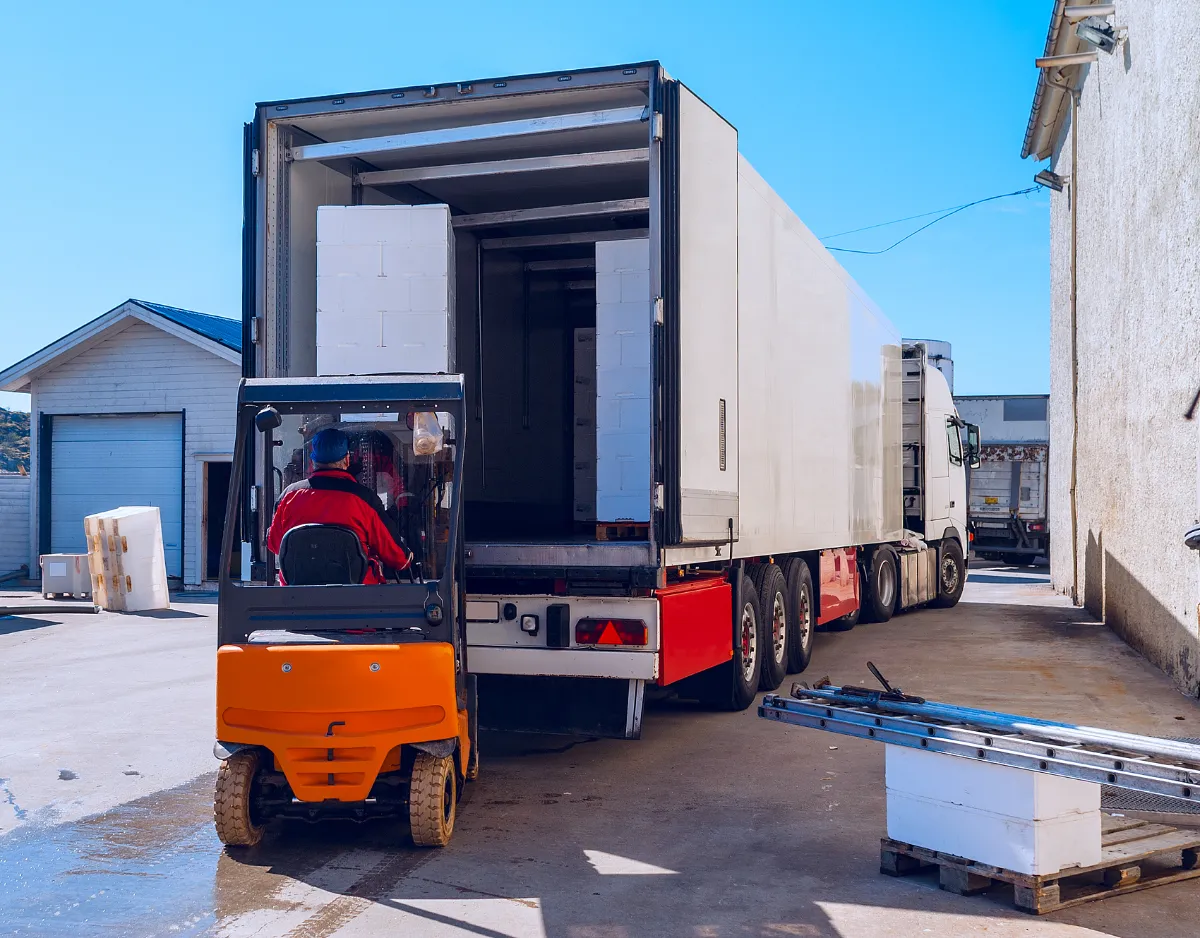
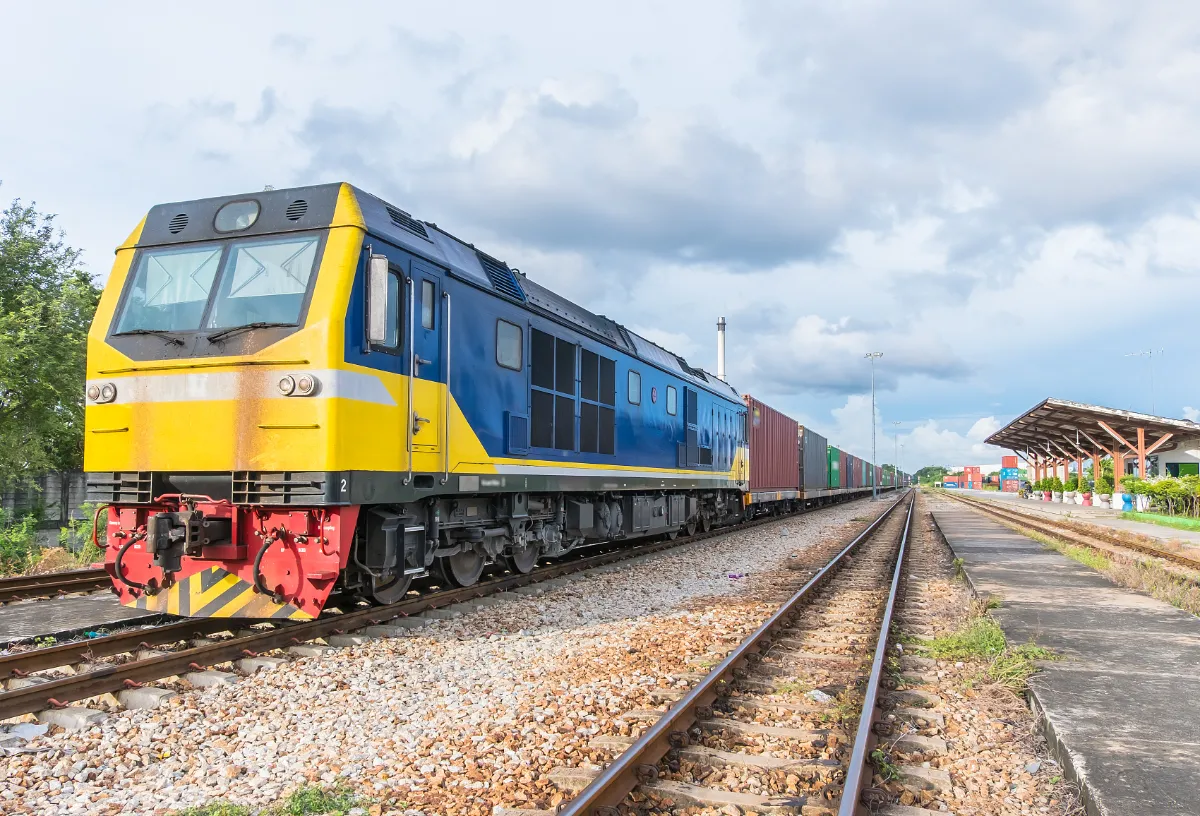
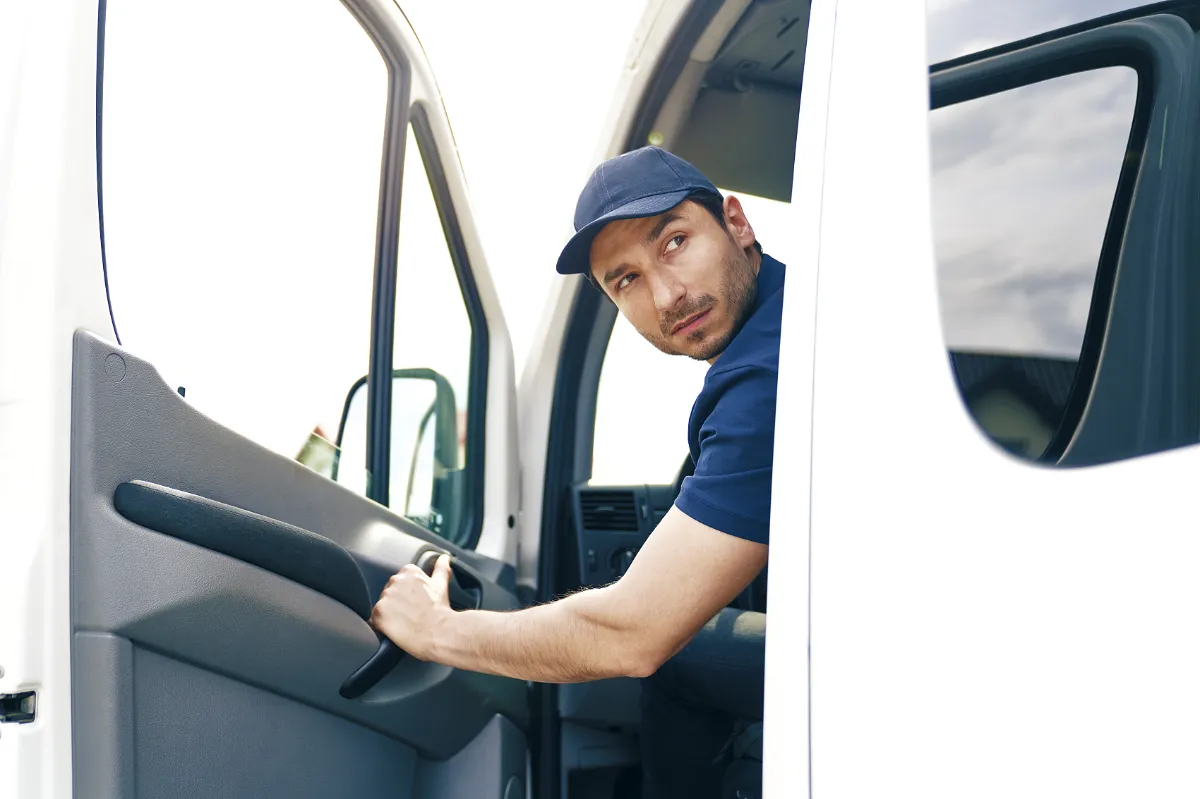
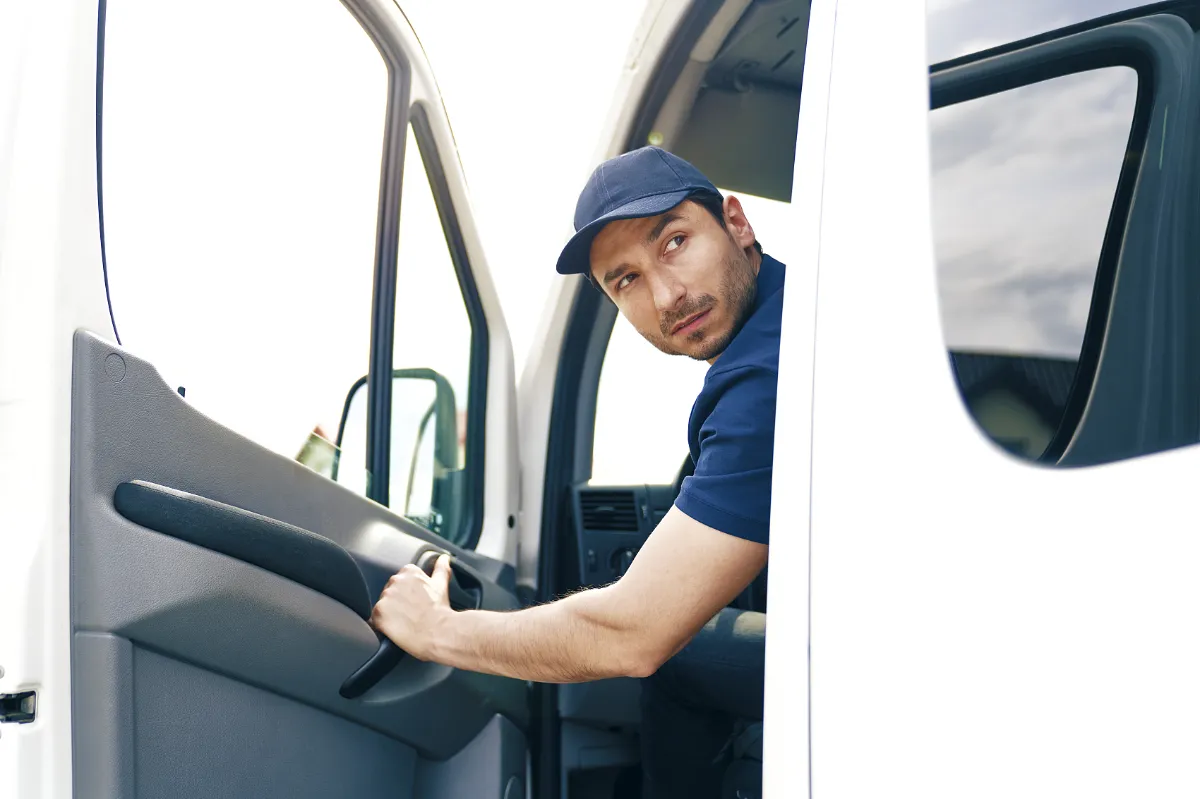
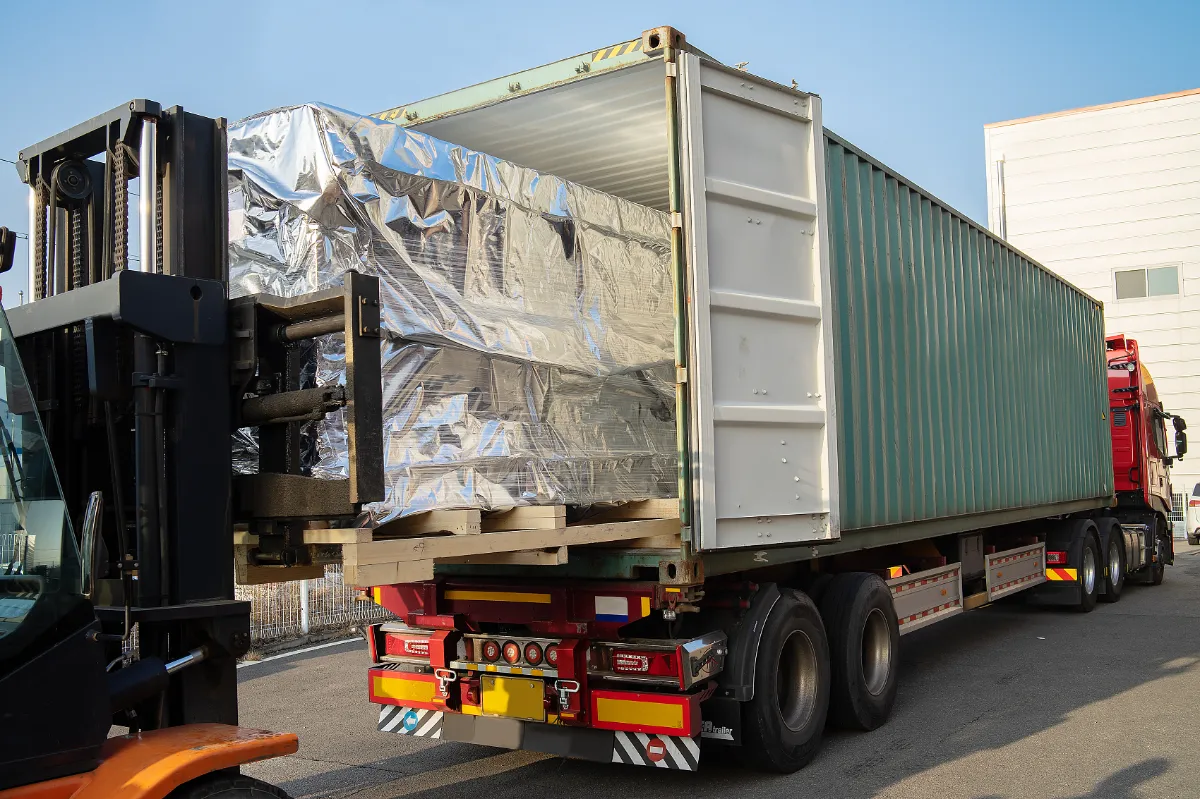
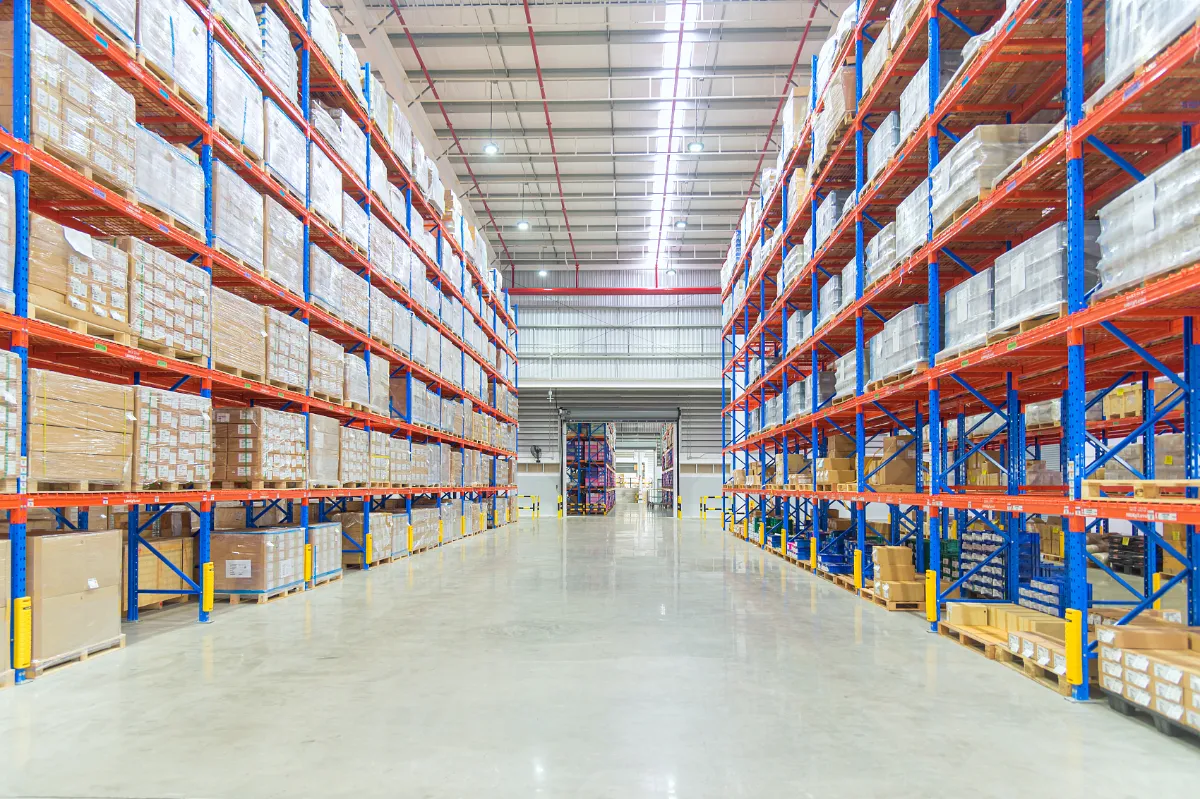
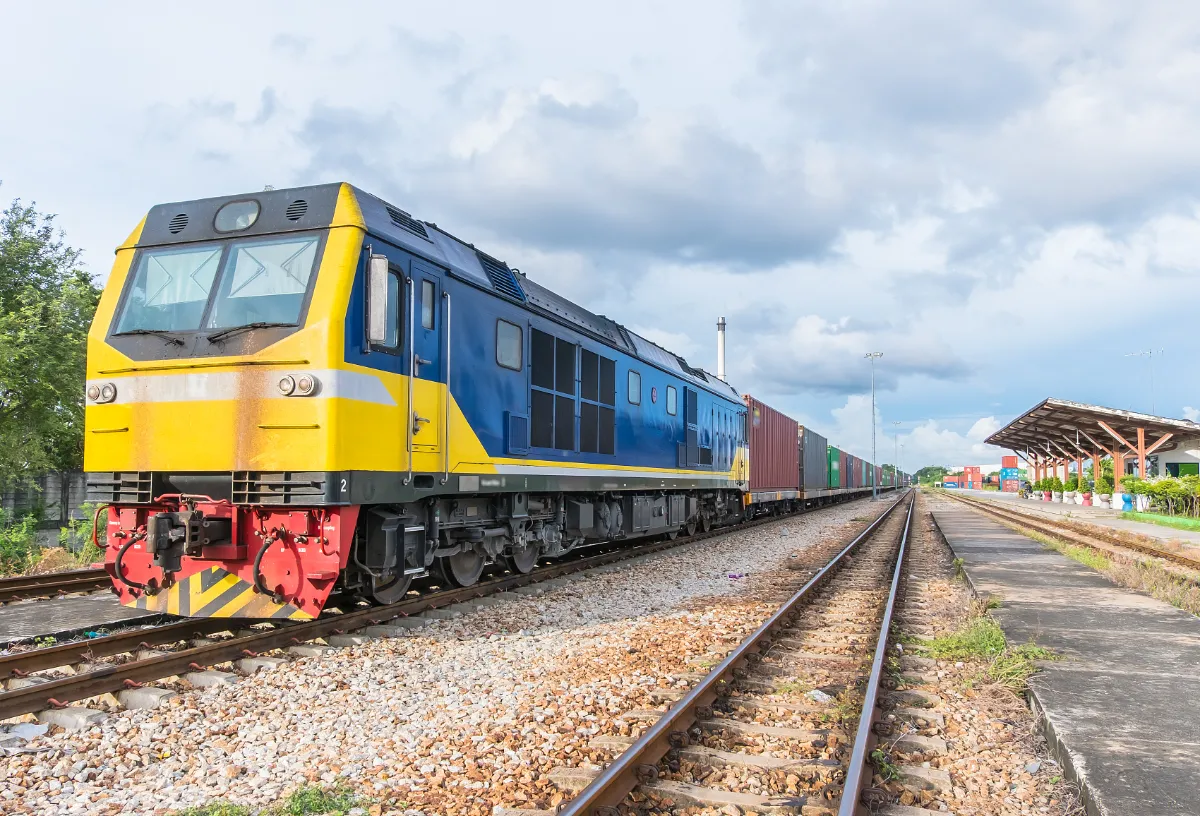
Air and land logistics represents the backbone of modern supply chain management, combining aviation and ground transportation to create seamless cargo movement across global networks. This integrated approach encompasses the coordination, planning, and execution of freight movement through multiple transportation modes, ensuring efficient delivery from origin to destination. The main functions of air and land logistics include inventory management, warehousing operations, freight consolidation, customs clearance, and last-mile delivery services. These systems leverage advanced tracking technologies, automated sorting facilities, and sophisticated route optimization algorithms to maintain supply chain visibility and operational excellence. Technological features driving air and land logistics innovation include real-time GPS tracking systems, RFID technology, automated warehouse management systems, and artificial intelligence-powered demand forecasting tools. Cloud-based platforms enable seamless communication between stakeholders, while blockchain technology ensures secure transaction processing and documentation. Modern air and land logistics operations utilize predictive analytics to anticipate potential disruptions and implement proactive solutions. Applications span across diverse industries including e-commerce, automotive manufacturing, pharmaceuticals, perishable goods, and high-value electronics. Emergency medical supplies, time-sensitive documents, and critical components rely heavily on integrated air and land logistics networks. The system supports both business-to-business and business-to-consumer deliveries, accommodating various shipment sizes from small parcels to oversized cargo. Air and land logistics facilitates international trade by managing complex regulatory requirements, documentation processes, and multi-modal transportation arrangements. Temperature-controlled environments ensure product integrity for sensitive items, while security protocols protect valuable shipments throughout transit. The integration of air and land logistics creates redundancy options, allowing for flexible routing when disruptions occur in specific transportation modes.

 EN
EN