Comprehensive Air and Land Transport Solutions: Advanced Technology, Global Connectivity, and Economic Efficiency

All Categories

air and land transport

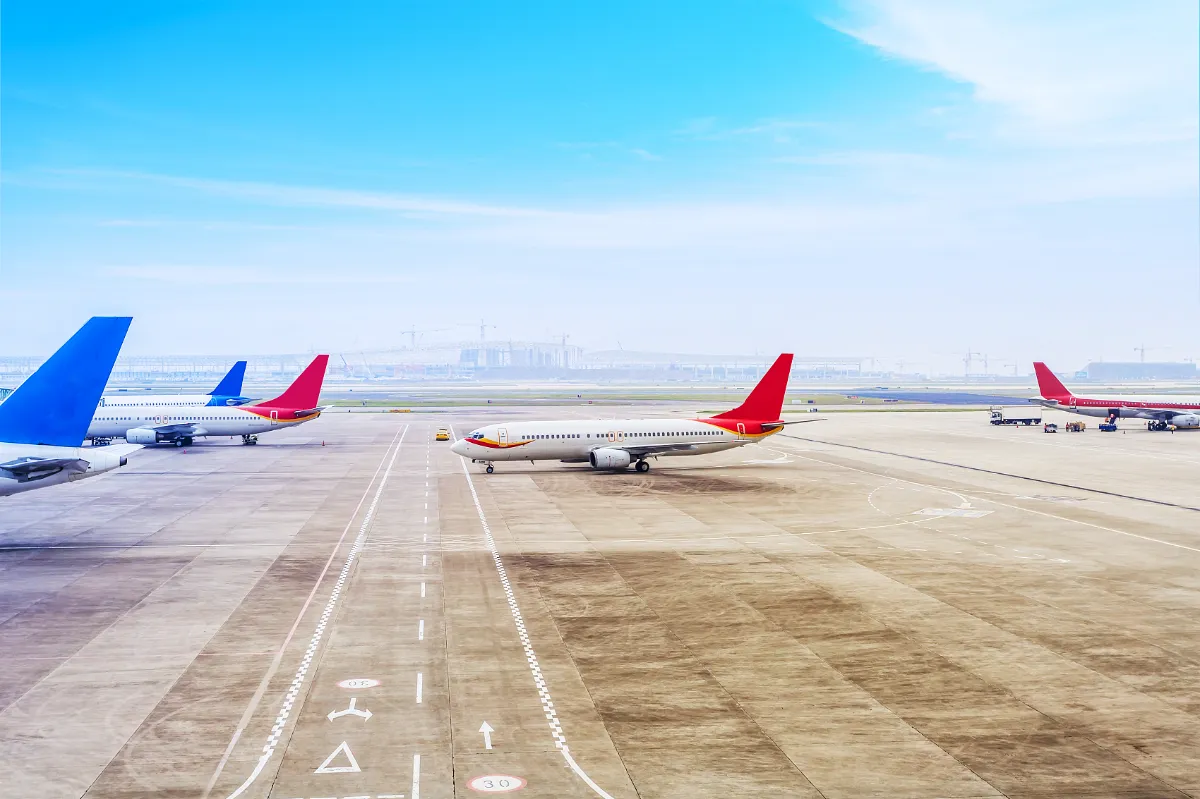
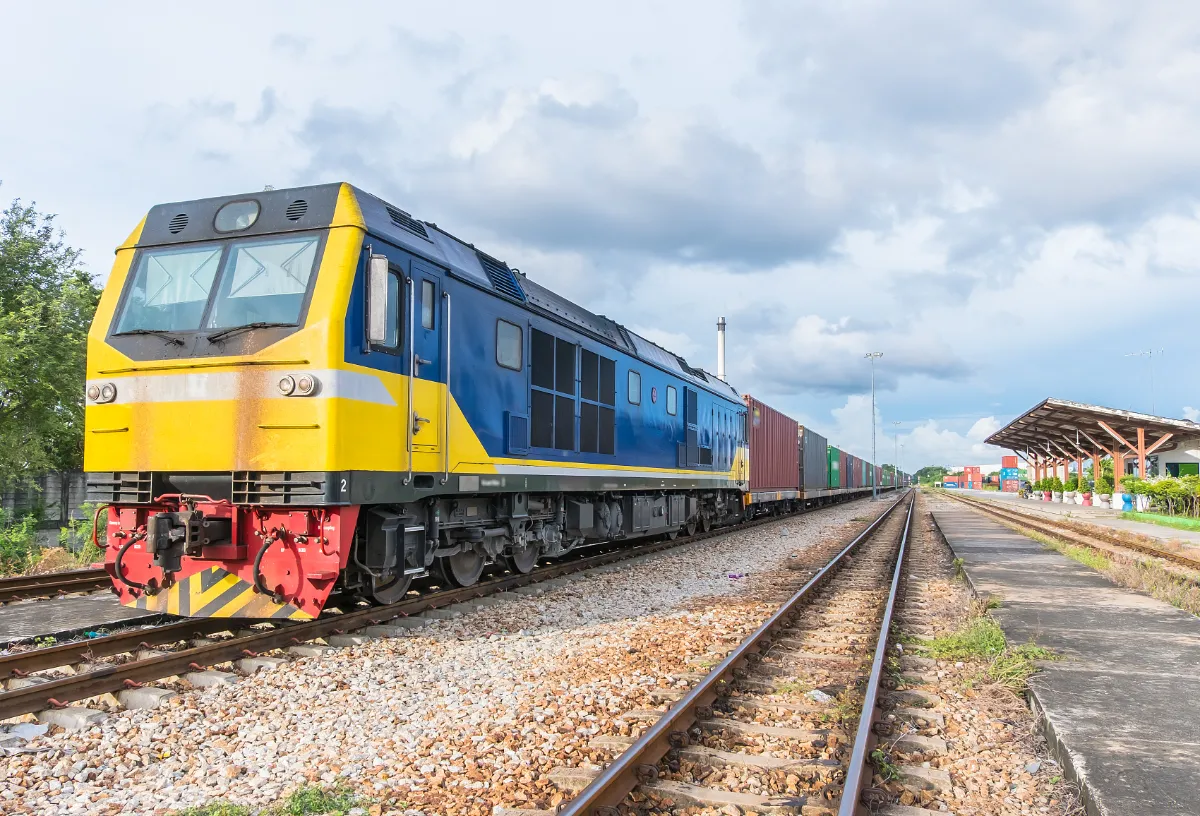
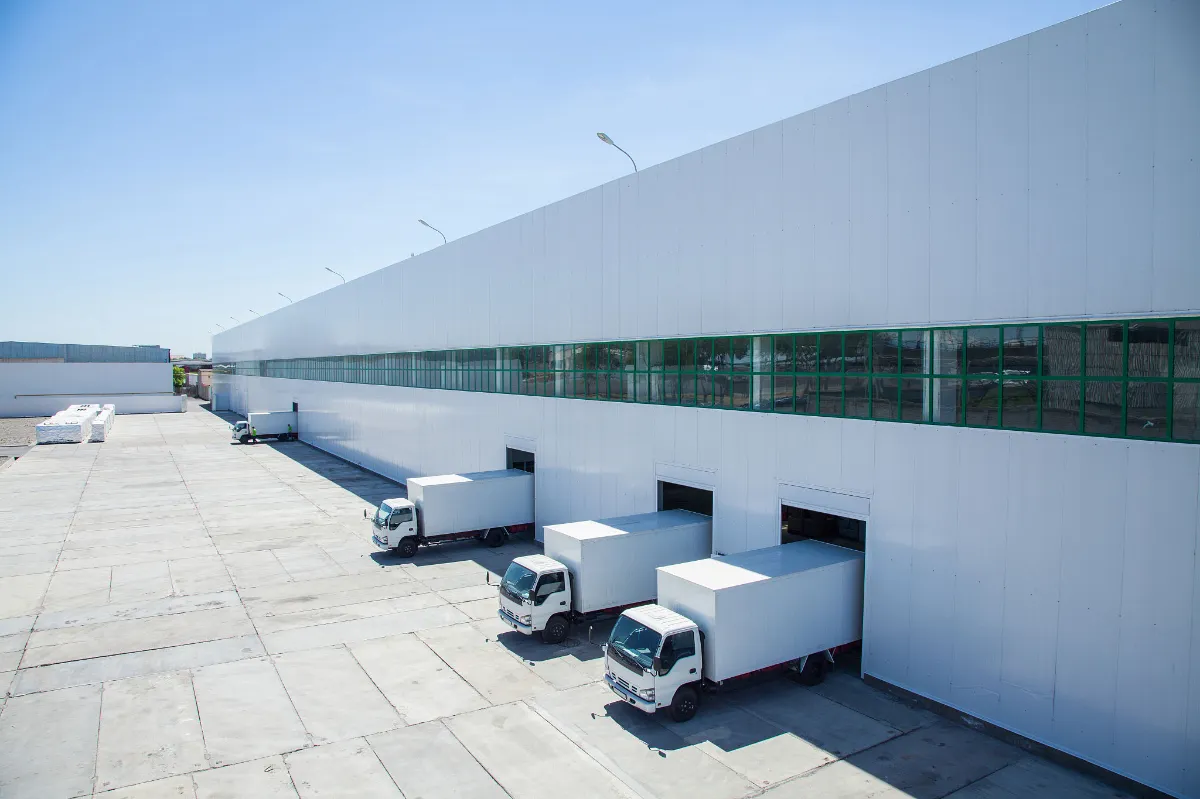
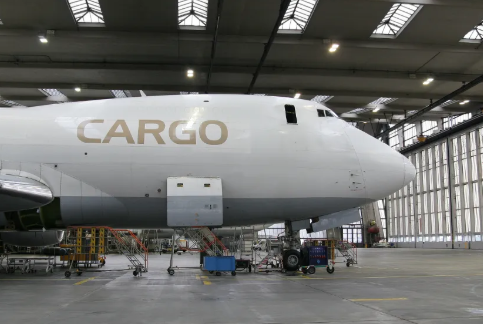
Air and land transport systems form the backbone of modern mobility and logistics networks worldwide. These transportation methods serve distinct yet complementary roles in moving people, goods, and services across various distances and terrains. Land transport encompasses multiple modes including automotive vehicles, railways, and specialized cargo systems that operate on roads, tracks, and dedicated pathways. Air transport includes commercial aviation, cargo aircraft, helicopters, and emerging aerial vehicles that navigate through atmospheric corridors. The primary functions of air and land transport revolve around connectivity, accessibility, and efficient movement solutions. Land transport excels in door-to-door delivery services, urban commuting, and regional distribution networks. It provides essential infrastructure for daily operations in cities, suburbs, and rural areas. Railway systems offer high-capacity passenger and freight services across medium to long distances, while road networks enable flexible routing and last-mile connectivity. Air transport specializes in rapid long-distance travel, time-sensitive cargo delivery, and access to remote locations. Commercial airlines connect global destinations within hours, facilitating international business and tourism. Cargo aircraft handle express deliveries and high-value shipments requiring speed and security. Technological features distinguish modern air and land transport systems through advanced engineering, safety protocols, and operational efficiency. Land vehicles incorporate GPS navigation, automated systems, fuel-efficient engines, and safety technologies like collision avoidance and stability control. Railway networks utilize computerized signaling, high-speed capabilities, and electrified propulsion systems. Aircraft employ sophisticated avionics, weather radar, autopilot systems, and fuel-efficient turbine engines. Applications span numerous sectors including passenger transportation, freight logistics, emergency services, military operations, and specialized industrial purposes. Both air and land transport continue evolving through digitalization, environmental sustainability initiatives, and integration with smart city infrastructure, making them indispensable components of contemporary transportation ecosystems.

New Product Recommendations

Air and land transport offer numerous compelling advantages that make them essential choices for modern transportation needs. Speed represents a fundamental benefit, particularly for air transport, which dramatically reduces travel time across long distances. Commercial flights can transport passengers between continents in hours rather than days or weeks required by other methods. Land transport provides consistent speed advantages for regional travel, with highways and railways offering predictable journey times that support reliable scheduling and planning. Reliability stands as another crucial advantage, as both air and land transport systems operate on established schedules and routes. Airlines maintain regular flight schedules connecting major destinations worldwide, while land transport networks provide consistent daily services for commuters and freight operators. This reliability enables businesses to plan operations effectively and individuals to organize their travel with confidence. Accessibility benefits make air and land transport particularly valuable for reaching diverse locations. Road networks extend to virtually every populated area, providing door-to-door connectivity that other transport modes cannot match. Airports serve as international gateways, connecting remote regions to global networks and enabling access to destinations that would otherwise remain isolated. Cost-effectiveness emerges when considering the value provided relative to alternatives. Land transport offers economical solutions for regular commuting, local deliveries, and regional freight movement. Shared transportation options like buses and trains reduce per-passenger costs significantly. Air transport, while requiring higher initial investment, delivers exceptional value for long-distance travel by saving substantial time and enabling productivity during transit. Capacity advantages allow both air and land transport to handle varying load requirements efficiently. Trucks and trains can carry substantial cargo volumes, while buses accommodate multiple passengers. Aircraft provide high-capacity solutions for both passenger and freight transport across oceans and continents. Flexibility represents another key advantage, particularly for land transport, which can adapt routes and schedules based on changing demands. Road vehicles can navigate alternative paths, avoid congestion, and provide customized delivery solutions. Air transport offers scheduling flexibility and can reach destinations regardless of terrain barriers. Safety standards in modern air and land transport systems have reached exceptional levels through technological advancement and regulatory oversight. Commercial aviation maintains outstanding safety records, while automotive and railway safety continues improving through advanced engineering and monitoring systems. These advantages combine to make air and land transport indispensable for economic development, social connectivity, and quality of life enhancement in communities worldwide.

Practical Tips

Top Benefits of Choosing Sea Freight for Large Cargo Shipments

22

Jul

Top Benefits of Choosing Sea Freight for Large Cargo Shipments

Efficient Transport Solutions for Global Trade As international trade continues to expand, businesses are constantly seeking cost-effective ways to transport goods across borders. Sea freight has emerged as one of the most practical and economical op...
View More
 Is Your Business Ready to Transition to 3PL Warehousing Solutions?

05

Aug

Is Your Business Ready to Transition to 3PL Warehousing Solutions?

Evaluating the Shift to Third-Party Logistics Partnerships Transitioning to 3PL warehousing solutions represents a significant operational evolution for businesses experiencing growth or seeking supply chain optimization. The decision to adopt 3PL s...
View More
Air Freight vs Sea Freight: Which Delivers Better Efficiency?

18

Sep

Air Freight vs Sea Freight: Which Delivers Better Efficiency?

Understanding Modern Shipping Solutions for Global Trade In today's interconnected global marketplace, choosing the right freight transportation method can significantly impact a business's success. The debate between air freight vs sea freight conti...
View More
Can Air Freight Improve Your Supply Chain Performance?

25

Sep

Can Air Freight Improve Your Supply Chain Performance?

Transforming Supply Chain Efficiency Through Strategic Air Transportation In today's fast-paced global marketplace, businesses are constantly seeking ways to optimize their supply chain operations. Air freight has emerged as a powerful solution for c...
View More

Get a Free Quote

Our representative will contact you soon.
Email
Name
Company Name
Message
0/1000

air and land transport

Unmatched Global Connectivity and Network Integration

Unmatched Global Connectivity and Network Integration

The most significant advantage of air and land transport lies in their combined ability to create seamless global connectivity networks that link communities, businesses, and economies across vast distances. This comprehensive transportation ecosystem enables unprecedented access to opportunities, resources, and destinations that were previously unreachable or required excessive time and cost to access. Air transport serves as the primary connector for international and intercontinental travel, bridging oceans and continents in matter of hours. Major airlines operate extensive route networks that connect hundreds of cities worldwide, creating a web of possibilities for business expansion, tourism development, and cultural exchange. International airports function as crucial hubs where multiple transportation modes converge, facilitating smooth transitions between air and land transport systems. This integration allows travelers to seamlessly move from aircraft to ground vehicles, extending their journey to final destinations with minimal disruption. Land transport complements air connectivity by providing the essential last-mile solutions that complete the transportation chain. Road networks extend from airports into urban centers, suburban areas, and rural regions, ensuring that air transport benefits reach every corner of society. Railway systems create high-capacity corridors that connect major cities and regions, offering efficient alternatives for medium-distance travel while reducing pressure on airport facilities. The network integration between air and land transport creates multiplicative benefits that exceed the sum of individual components. Freight logistics exemplify this synergy, where cargo aircraft deliver time-sensitive shipments to regional airports, then trucks complete distribution to local businesses and consumers. This combination enables e-commerce operations, international trade, and supply chain management that supports modern economic activities. Passenger transportation similarly benefits from integrated networks, where travelers can plan multi-modal journeys that optimize time, cost, and convenience. The connectivity provided by air and land transport networks facilitates economic development by attracting businesses, supporting tourism industries, and enabling workforce mobility. Regions with excellent transportation connections experience higher property values, increased investment opportunities, and enhanced quality of life for residents. This comprehensive connectivity transforms isolated communities into active participants in national and global economies, creating opportunities for growth and prosperity.
Advanced Technology and Safety Innovation Leadership

Advanced Technology and Safety Innovation Leadership

Modern air and land transport systems represent the pinnacle of technological advancement and safety innovation, incorporating cutting-edge engineering solutions that continuously enhance performance, efficiency, and passenger protection. These transportation modes have become testing grounds for breakthrough technologies that eventually benefit other industries and applications, making them leaders in innovation adoption and development. Aviation technology exemplifies this leadership through sophisticated systems that manage complex flight operations with remarkable precision. Modern aircraft utilize fly-by-wire controls, advanced composite materials, and fuel-efficient engines that reduce environmental impact while improving performance. Navigation systems employ GPS satellites, ground-based radar networks, and weather monitoring equipment to ensure safe and efficient flight paths. Automated systems assist pilots in managing aircraft operations, from takeoff procedures to landing approaches, significantly reducing human error risks and enhancing operational consistency. Land transport technology has evolved dramatically through digital integration and smart system development. Automotive vehicles now incorporate advanced driver assistance systems, including collision detection, lane departure warnings, and automated emergency braking. Electric and hybrid propulsion systems are revolutionizing vehicle efficiency and environmental performance, while autonomous driving technology promises to transform transportation accessibility and safety. Railway systems employ computerized traffic management, predictive maintenance monitoring, and high-speed capabilities that set new standards for ground transportation efficiency. Safety innovations in air and land transport have achieved extraordinary success in reducing accident rates and protecting lives. Commercial aviation maintains exceptional safety records through rigorous maintenance protocols, comprehensive pilot training programs, and multiple redundant safety systems. Aircraft design incorporates crash-resistant structures, emergency evacuation systems, and real-time monitoring capabilities that detect potential issues before they become critical problems. Land transport safety has improved through vehicle design enhancements, road infrastructure improvements, and traffic management systems that reduce collision risks and severity. The technological leadership demonstrated by air and land transport extends beyond operational improvements to include environmental sustainability initiatives. Alternative fuel development, emission reduction technologies, and energy-efficient operations are being pioneered in transportation applications before spreading to other sectors. This commitment to innovation ensures that air and land transport systems continue evolving to meet changing societal needs while maintaining their essential role in supporting economic and social development.
Economic Efficiency and Scalable Capacity Solutions

Economic Efficiency and Scalable Capacity Solutions

Air and land transport systems deliver exceptional economic efficiency and scalable capacity solutions that adapt to varying demand levels while optimizing resource utilization and cost-effectiveness. These transportation modes have developed sophisticated operational models that maximize productivity, minimize waste, and provide flexible capacity management that responds to changing market conditions and customer requirements. The economic efficiency of air transport becomes apparent when considering the value delivered per unit of time and resource investment. Commercial airlines can transport hundreds of passengers across continents in single operations, achieving remarkable efficiency in fuel consumption, crew utilization, and infrastructure usage per passenger-mile. Cargo aircraft provide similar efficiency advantages for high-value and time-sensitive shipments, where the speed of delivery justifies premium pricing and generates substantial economic returns. Airport facilities serve multiple airlines and aircraft types, sharing infrastructure costs across numerous operators and creating economies of scale that reduce per-passenger expenses. Land transport efficiency manifests through diverse operational models that serve different market segments effectively. Trucking operations provide door-to-door delivery services with flexible routing capabilities that minimize handling costs and delivery times. Railway systems achieve outstanding efficiency for bulk cargo transport and high-volume passenger services, where single trains can carry loads equivalent to dozens of trucks or hundreds of automobiles. Public transportation systems like buses and trains reduce per-capita transportation costs while decreasing urban congestion and infrastructure wear. Scalability represents a crucial advantage that allows air and land transport to accommodate fluctuating demand patterns without requiring proportional increases in infrastructure investment. Airlines can adjust flight frequencies, aircraft sizes, and route schedules to match seasonal variations and market changes. During peak travel periods, additional flights and larger aircraft provide extra capacity, while off-peak operations can reduce frequency to maintain economic viability. Land transport scalability appears in flexible fleet management, where operators can deploy additional vehicles during busy periods and reduce operations during slower times. The capacity solutions provided by air and land transport support economic development by enabling businesses to reach markets efficiently and cost-effectively. Manufacturing companies rely on transportation networks to source materials, distribute products, and serve customers across wide geographic areas. Service industries depend on reliable transportation for workforce mobility and customer access. The economic multiplier effects of efficient air and land transport extend throughout entire economies, supporting job creation, business development, and community prosperity. Investment in transportation infrastructure generates long-term economic returns that exceed initial costs through increased productivity, enhanced connectivity, and expanded market opportunities.

Get a Free Quote

Our representative will contact you soon.
Email
Name
Company Name
Message
0/1000

Get a Free Quote

Our representative will contact you soon.
Email
Name
Company Name
Message
0/1000