Advanced Air and Land Integration Systems - Comprehensive Transportation Solutions

All Categories

air and land

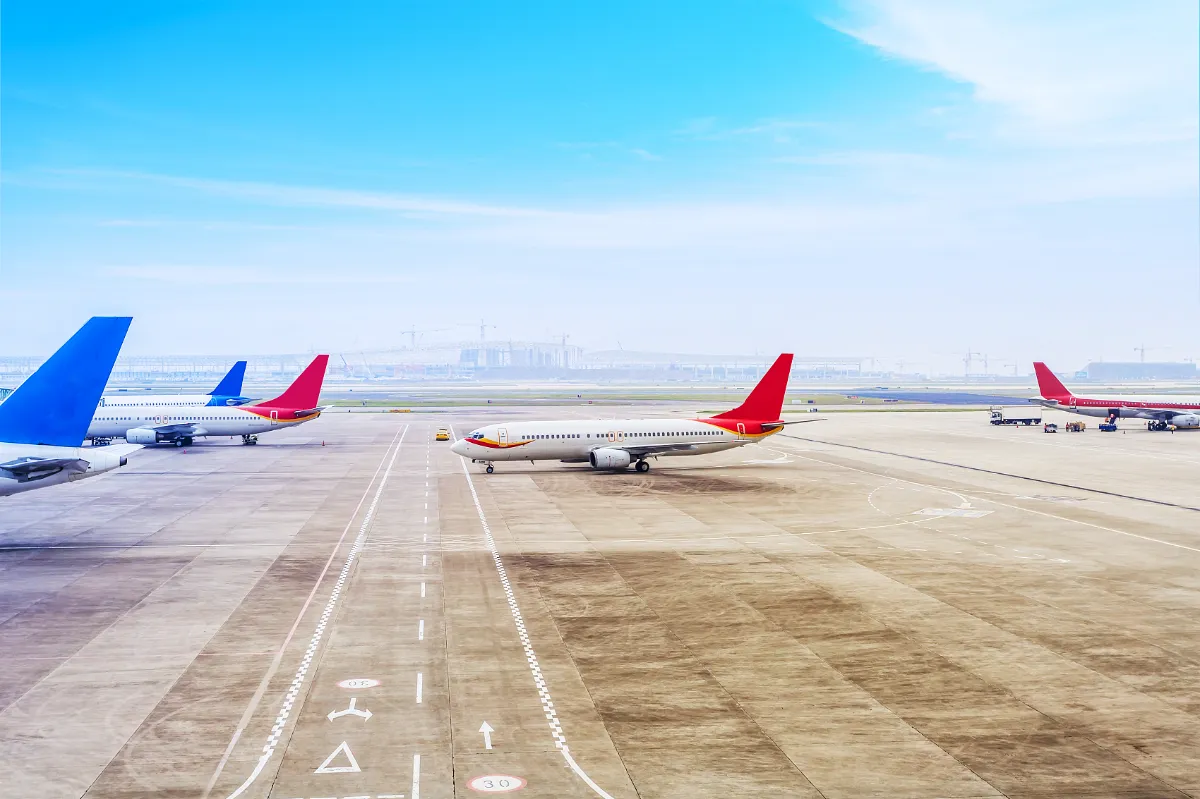
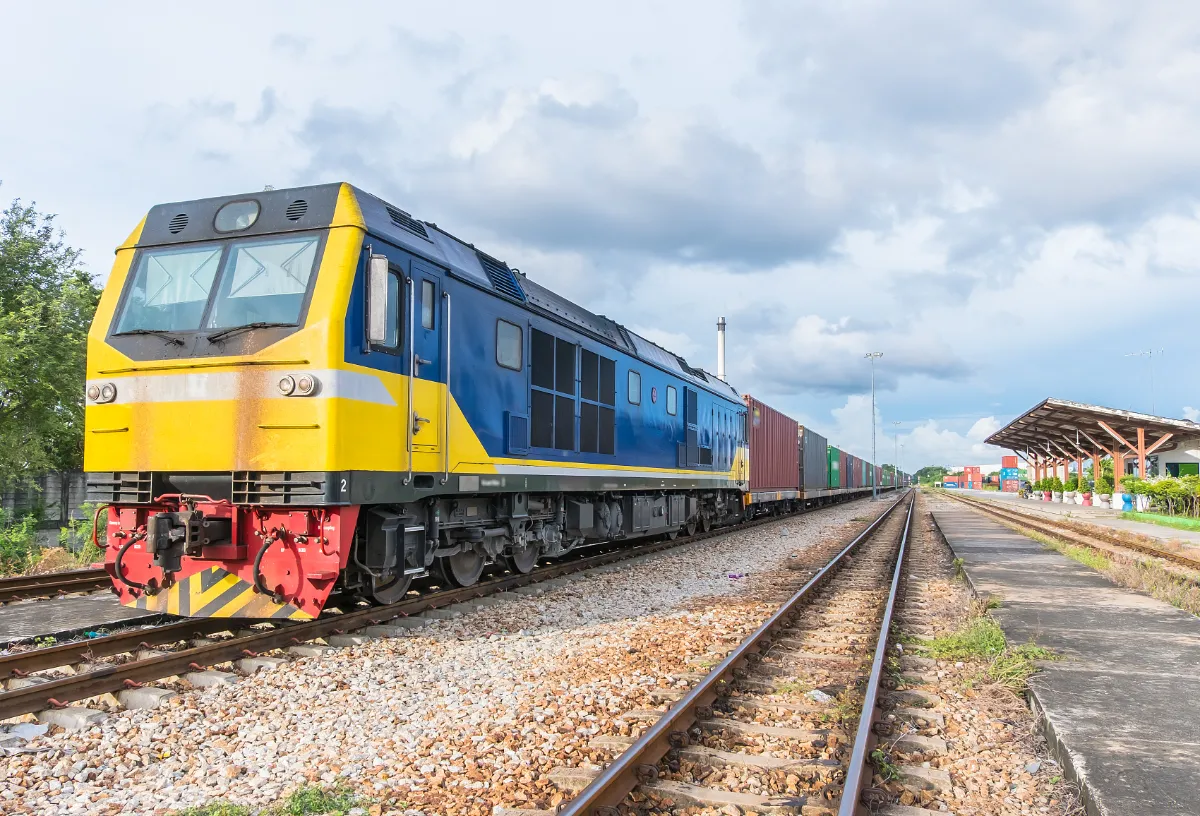
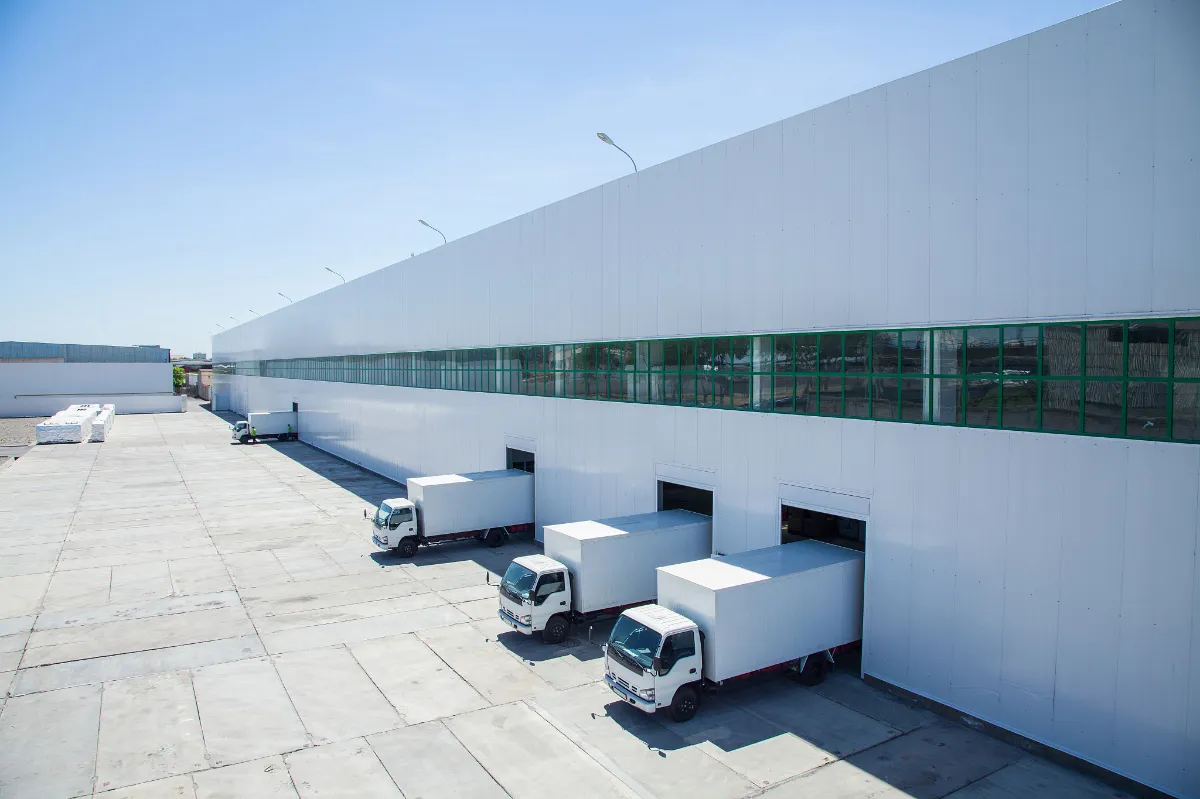
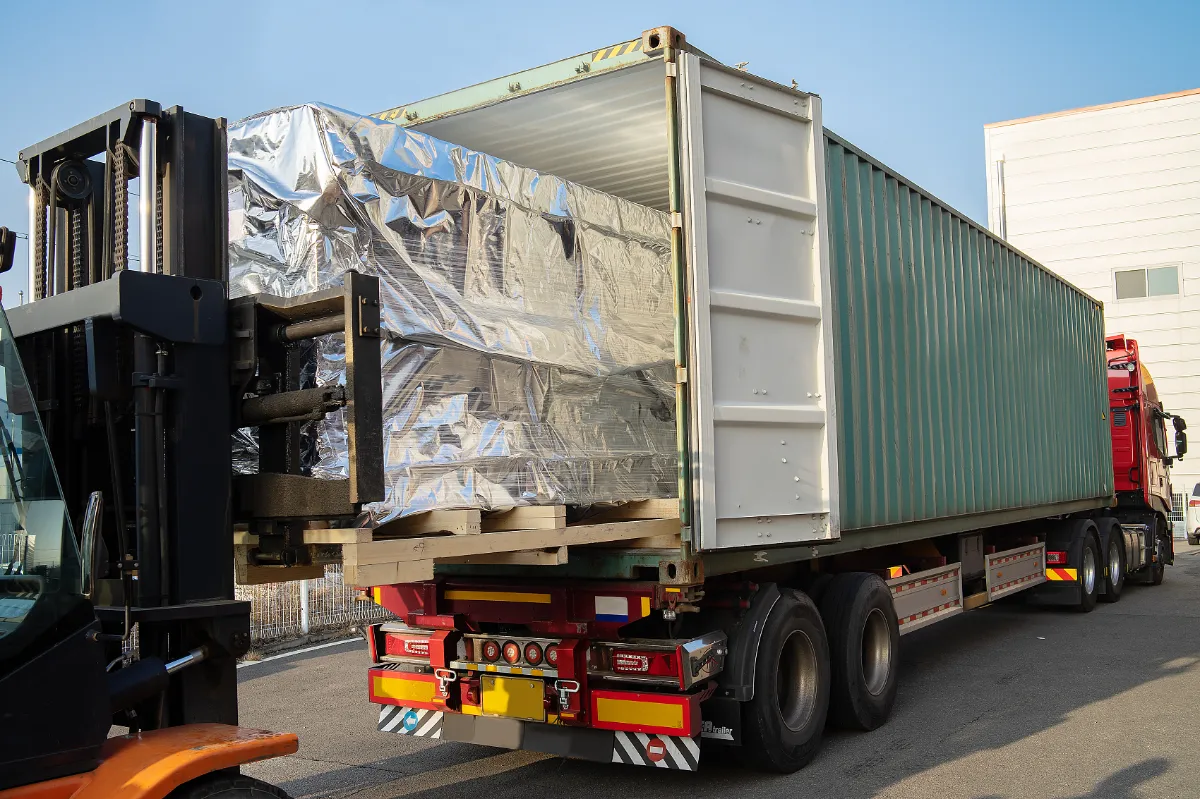
Air and land operations represent a comprehensive approach to modern transportation and logistics, combining aerial capabilities with terrestrial infrastructure to create seamless connectivity across diverse environments. This integrated system encompasses various platforms, technologies, and methodologies designed to optimize movement of personnel, cargo, and equipment between different operational domains. The air and land framework incorporates advanced navigation systems, communication protocols, and intermodal transfer capabilities that enable efficient transitions between aviation and ground-based transportation networks. Key technological features include GPS-enabled tracking systems, automated cargo handling equipment, real-time weather monitoring capabilities, and sophisticated route optimization algorithms that calculate the most efficient pathways for multi-modal journeys. The system utilizes state-of-the-art aircraft ranging from small unmanned aerial vehicles to large transport planes, complemented by ground vehicles including specialized cargo trucks, mobile command centers, and all-terrain support equipment. Applications span multiple sectors including emergency response operations, commercial logistics, military deployments, scientific research expeditions, and humanitarian aid distribution. The air and land integration facilitates rapid deployment of resources to remote locations, enables cost-effective transportation of oversized equipment, and provides redundant pathways for critical supply chains. Modern implementations incorporate artificial intelligence for predictive maintenance, blockchain technology for secure cargo tracking, and Internet of Things sensors for real-time monitoring of environmental conditions and equipment status. The system's modular design allows for scalable operations, accommodating everything from small-scale local deliveries to large international logistics campaigns, making it an indispensable tool for organizations requiring flexible, reliable, and efficient transportation solutions across varied geographical and operational landscapes.

New Product Recommendations

The air and land integration system delivers exceptional operational flexibility that traditional single-mode transportation cannot match. Organizations benefit from dramatically reduced delivery times as the system automatically selects optimal routing combinations based on real-time conditions, weather patterns, and operational requirements. This intelligent routing capability ensures that critical shipments reach their destinations faster and more reliably than conventional methods. The system provides significant cost savings through efficient resource utilization, eliminating the need for separate air and ground logistics networks while maximizing payload capacity across both domains. Enhanced reliability stems from built-in redundancy features where air and land components can seamlessly compensate for each other during unexpected disruptions, ensuring continuous operations even when individual transportation modes face challenges. The technology offers unprecedented accessibility to remote locations that were previously difficult or impossible to reach using traditional transportation methods. Emergency response capabilities are dramatically improved as the air and land system can rapidly deploy teams and equipment to disaster zones, providing immediate assistance while establishing sustainable supply lines for ongoing operations. Environmental benefits include optimized fuel consumption through intelligent load balancing and route planning, reducing overall carbon footprint compared to separate transportation systems. The system enhances operational security through encrypted communication channels, tamper-proof cargo containers, and comprehensive tracking capabilities that provide complete chain-of-custody documentation. Scalability advantages allow organizations to start with basic air and land configurations and expand capabilities as needs grow, protecting initial investments while enabling future growth. Real-time monitoring capabilities provide unprecedented visibility into transportation operations, allowing managers to make informed decisions and proactively address potential issues before they impact delivery schedules. The integration reduces administrative overhead by consolidating multiple transportation modes under a single management platform, streamlining operations and reducing complexity. Weather independence is achieved through diverse transportation options that can adapt to changing conditions, ensuring consistent service levels regardless of seasonal or environmental challenges affecting individual transportation modes.

Practical Tips

How to Choose the Right Express Freight Provider

26

Jun

How to Choose the Right Express Freight Provider

Assessing Your Express Shipping Requirements Looking at express shipping services means matching up delivery speeds with what customers actually expect from them. Most shoppers these days want really quick options like next day or two day delivery ...
View More
How Multimodal Transport Improves Logistics Efficiency?

26

Jun

How Multimodal Transport Improves Logistics Efficiency?

Streamlined Documentation Through Single Through-Bills Eliminating Redundant Paperwork Across Transport Modes When companies switch to single through-bills, they end up dealing with way less paperwork across all those different transportation metho...
View More
Understanding Sea Freight Costs and How to Optimize Your Shipping Budget

22

Jul

Understanding Sea Freight Costs and How to Optimize Your Shipping Budget

Managing International Shipping with Precision In today's globalized economy, businesses rely heavily on international logistics to move goods efficiently across borders. One of the most cost-effective methods for transporting large volumes of cargo ...
View More
Sea Freight vs Air Freight: Which Is More Cost-Effective for You?

22

Jul

Sea Freight vs Air Freight: Which Is More Cost-Effective for You?

Comparing International Shipping Solutions When it comes to global trade and logistics, choosing the most suitable shipping method can significantly impact your business's bottom line. Among the most widely used options are sea freight and air freigh...
View More

Get a Free Quote

Our representative will contact you soon.
Email
Name
Company Name
Message
0/1000

air and land

Advanced Multi-Modal Coordination Technology

Advanced Multi-Modal Coordination Technology

The cornerstone of effective air and land operations lies in sophisticated coordination technology that seamlessly integrates aerial and terrestrial transportation systems into a unified operational framework. This revolutionary technology employs advanced algorithms and machine learning capabilities to automatically optimize transportation routes, considering factors such as payload requirements, time constraints, weather conditions, fuel efficiency, and operational costs. The system continuously monitors multiple variables in real-time, including air traffic patterns, ground transportation congestion, loading dock availability, and equipment status across all connected facilities. When disruptions occur in either air or land segments, the coordination technology instantly recalculates optimal alternatives, ensuring minimal delays and maintaining delivery schedules. The platform features intuitive dashboard interfaces that provide operators with comprehensive visibility into all aspects of the transportation network, displaying real-time location tracking, estimated arrival times, cargo status updates, and performance metrics. Integration with existing enterprise resource planning systems allows for seamless data exchange and automated scheduling based on inventory levels and demand forecasting. The technology supports multiple communication protocols, enabling connectivity with diverse vehicle types, aircraft models, and ground support equipment from various manufacturers. Advanced predictive analytics capabilities analyze historical performance data to identify trends, predict potential issues, and recommend proactive maintenance schedules that minimize unexpected downtime. The system maintains detailed audit trails for regulatory compliance and quality assurance purposes, automatically generating reports that document chain-of-custody information, environmental conditions during transport, and handling procedures. Cybersecurity features include end-to-end encryption, multi-factor authentication, and intrusion detection systems that protect sensitive operational data and prevent unauthorized access to transportation networks. The technology's modular architecture allows for easy customization and integration with specialized equipment or industry-specific requirements, making it adaptable to diverse operational environments and organizational needs while maintaining consistent performance standards across all connected air and land transportation assets.

Rapid Deployment and Emergency Response Capabilities

Rapid Deployment and Emergency Response Capabilities

The air and land system excels in rapid deployment scenarios and emergency response situations where traditional transportation methods prove inadequate or too slow to meet critical operational requirements. This capability stems from the system's inherent flexibility and pre-positioned resource networks that enable immediate activation and deployment of assets to any designated location within operational range. During emergency situations, the integrated command and control systems can coordinate simultaneous air and land operations, deploying rescue teams via aircraft while simultaneously positioning ground support vehicles and equipment along predetermined routes. The system maintains strategic stockpiles of essential supplies and equipment at key locations, enabling rapid response to natural disasters, humanitarian crises, or security incidents without waiting for lengthy procurement and transportation processes. Advanced communication systems ensure constant connectivity between air and land units, allowing real-time coordination of rescue operations, medical evacuations, and supply distributions even in areas with compromised infrastructure. The technology includes specialized equipment designed for harsh environments and austere conditions, including all-weather aircraft, rugged ground vehicles, and self-contained support systems that can operate independently of local infrastructure. Rapid deployment protocols include pre-planned logistics chains that can be activated with minimal notice, incorporating everything from fuel supplies and maintenance support to temporary housing and communication facilities for deployed personnel. The system's ability to establish temporary air and land hubs in remote locations enables sustained operations in areas lacking permanent infrastructure, supporting extended humanitarian missions or emergency response efforts. Training programs ensure that personnel are prepared to operate effectively in high-stress environments, with regular exercises that simulate various emergency scenarios and test the system's responsiveness under challenging conditions. Integration with satellite communication networks provides global connectivity, enabling coordination between multiple deployment sites and maintaining contact with central command centers regardless of local communication infrastructure availability. The rapid deployment capability extends to civilian applications, supporting disaster relief organizations, medical emergency services, and time-critical commercial operations that require immediate transportation solutions across diverse geographical and operational environments.
Cost-Effective Resource Optimization and Scalability

Cost-Effective Resource Optimization and Scalability

The air and land integration system delivers exceptional cost-effectiveness through intelligent resource optimization that maximizes operational efficiency while minimizing total transportation costs across the entire logistics network. This optimization occurs through sophisticated algorithms that continuously analyze operational data to identify the most economical combinations of air and land transportation for each specific mission or cargo requirement. The system automatically balances factors such as fuel costs, equipment utilization rates, labor expenses, and time-sensitive delivery requirements to select optimal transportation modes and routes that minimize overall operational expenses. Shared resource utilization is a key cost-saving feature, where air and land assets can be dynamically allocated across multiple missions and customers, improving asset utilization rates and reducing per-unit transportation costs. The technology enables precise capacity planning by analyzing historical demand patterns and predicting future requirements, allowing organizations to right-size their transportation assets and avoid costly overcapacity situations. Maintenance cost optimization is achieved through predictive maintenance programs that schedule servicing based on actual equipment condition rather than arbitrary time intervals, reducing both maintenance expenses and unexpected downtime that could disrupt operations. The system's scalability advantages become apparent as organizations grow, since additional air and land assets can be seamlessly integrated into existing networks without requiring complete system overhauls or extensive retraining programs. Flexible service models allow customers to access air and land capabilities on an as-needed basis, avoiding the capital expenses associated with purchasing and maintaining dedicated transportation fleets. Volume discounting mechanisms automatically apply optimal pricing based on shipment consolidation opportunities and bulk transportation agreements, passing cost savings directly to customers. Energy efficiency optimization includes route planning that minimizes fuel consumption, load balancing that maximizes payload capacity utilization, and scheduling that reduces empty return trips. The system provides detailed cost analytics and reporting capabilities that enable organizations to track transportation expenses, identify cost reduction opportunities, and make data-driven decisions about future logistics investments. Return on investment tracking demonstrates the financial benefits of air and land integration compared to traditional single-mode transportation systems, quantifying savings in areas such as delivery time reduction, inventory carrying costs, and customer satisfaction improvements that translate into increased business value and competitive advantages.

Get a Free Quote

Our representative will contact you soon.
Email
Name
Company Name
Message
0/1000

Get a Free Quote

Our representative will contact you soon.
Email
Name
Company Name
Message
0/1000