fast turnarounds
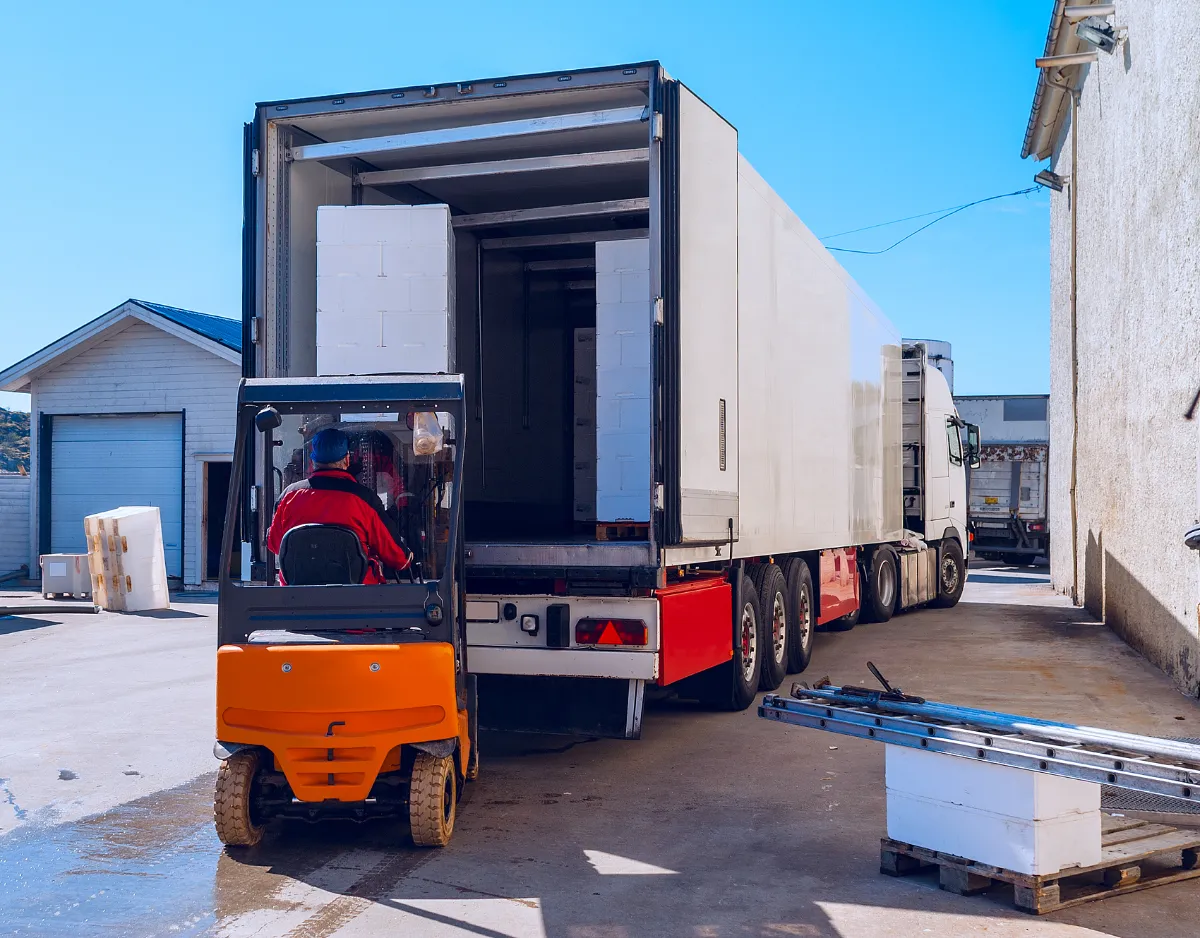
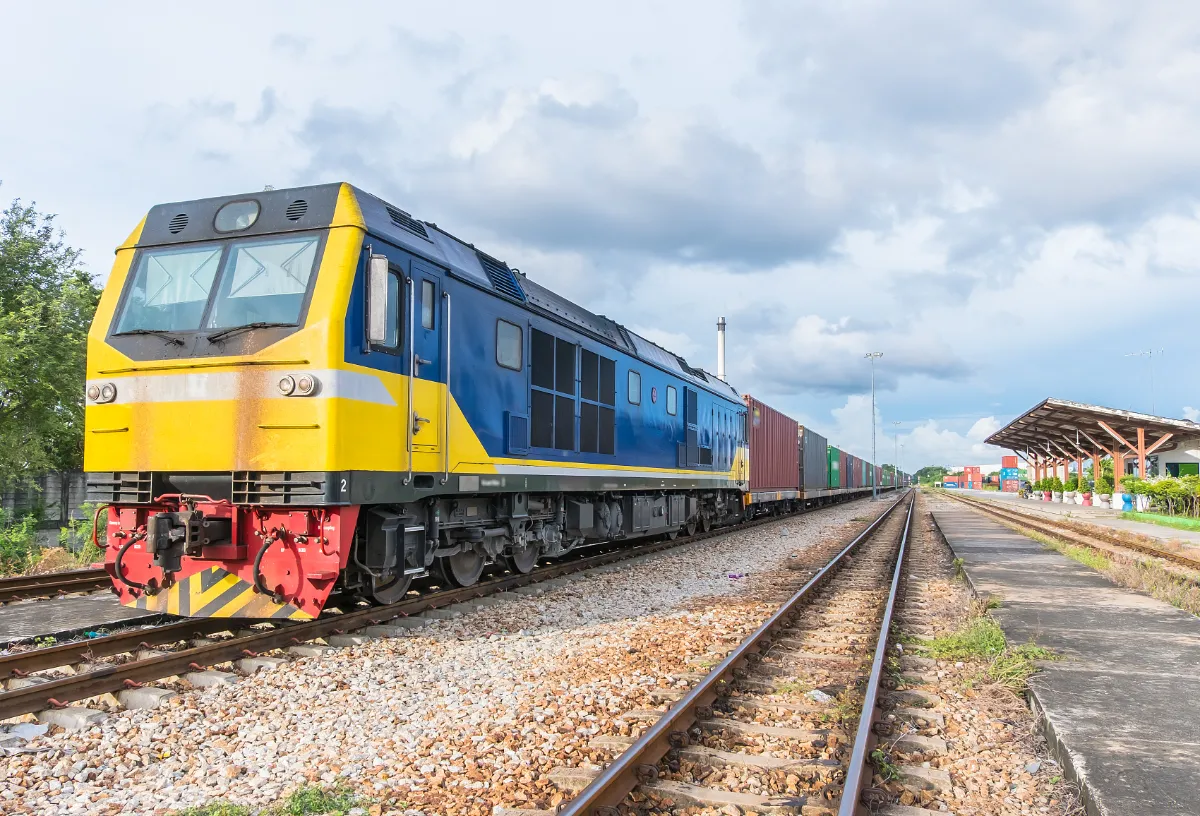
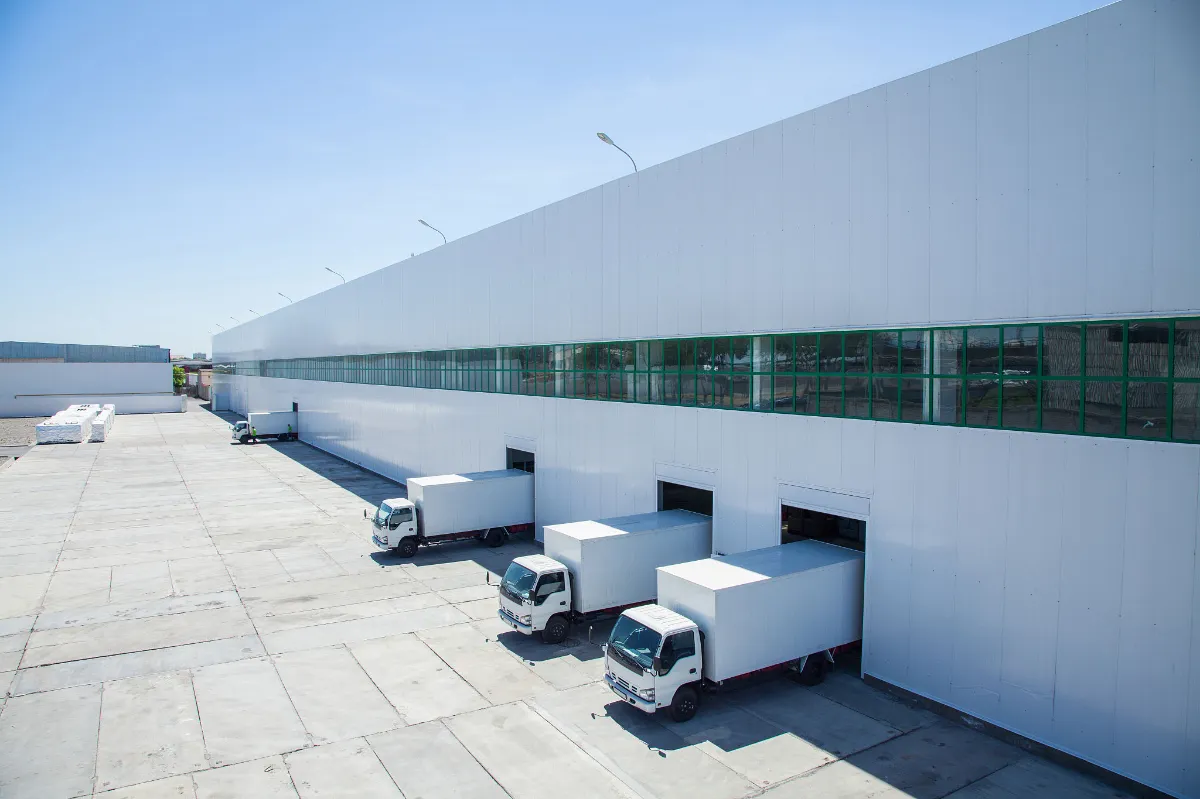
Fast turnarounds represent a revolutionary approach to service delivery that fundamentally transforms how businesses operate in today's competitive marketplace. These streamlined processes encompass the rapid completion of projects, orders, and service requests within significantly reduced timeframes compared to traditional methods. The main functions of fast turnarounds include accelerated production cycles, expedited quality assurance protocols, and enhanced customer satisfaction through prompt delivery. Modern fast turnarounds leverage advanced technological features such as automated workflow systems, real-time tracking capabilities, and intelligent resource allocation algorithms. These systems integrate seamlessly with existing business infrastructure, utilizing cloud-based platforms and artificial intelligence to optimize efficiency. The technological backbone includes sophisticated project management software, predictive analytics tools, and automated communication systems that ensure smooth coordination between departments. Applications span across numerous industries including manufacturing, digital services, logistics, healthcare, and professional services. In manufacturing environments, fast turnarounds enable rapid prototyping and production scheduling adjustments. Digital service providers utilize these methods for website development, content creation, and software deployment. Logistics companies implement fast turnarounds for same-day delivery services and inventory management. Healthcare facilities apply these principles for diagnostic testing and patient care coordination. The core technology relies on machine learning algorithms that continuously analyze performance metrics and identify bottlenecks before they impact delivery schedules. Integration capabilities allow fast turnarounds to connect with existing enterprise resource planning systems, customer relationship management platforms, and supply chain management tools. This comprehensive approach ensures that fast turnarounds become an integral part of organizational operations rather than an isolated improvement initiative.

 EN
EN