Comprehensive Nationwide Freight Solutions - Reliable Transportation Services Across America

All Categories

nationwide freight

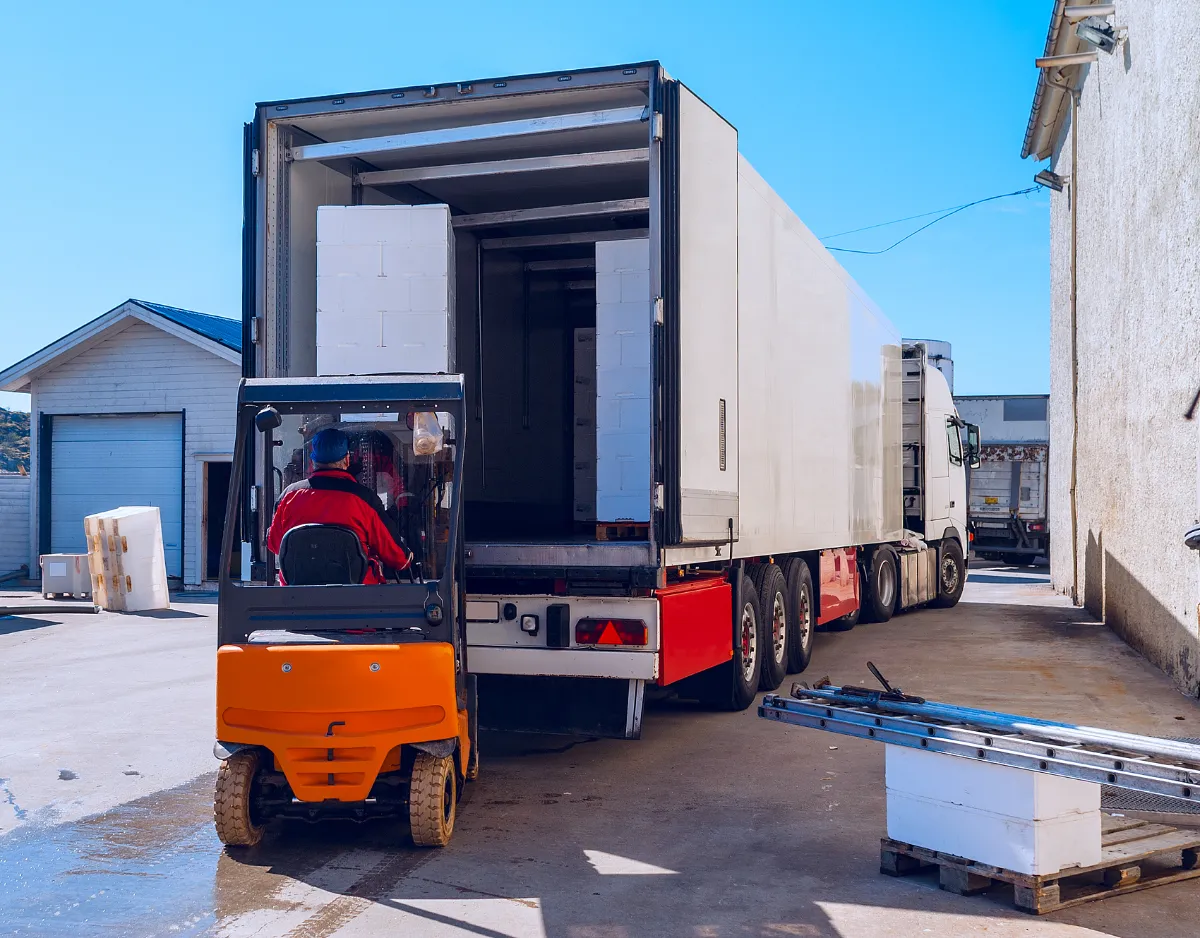
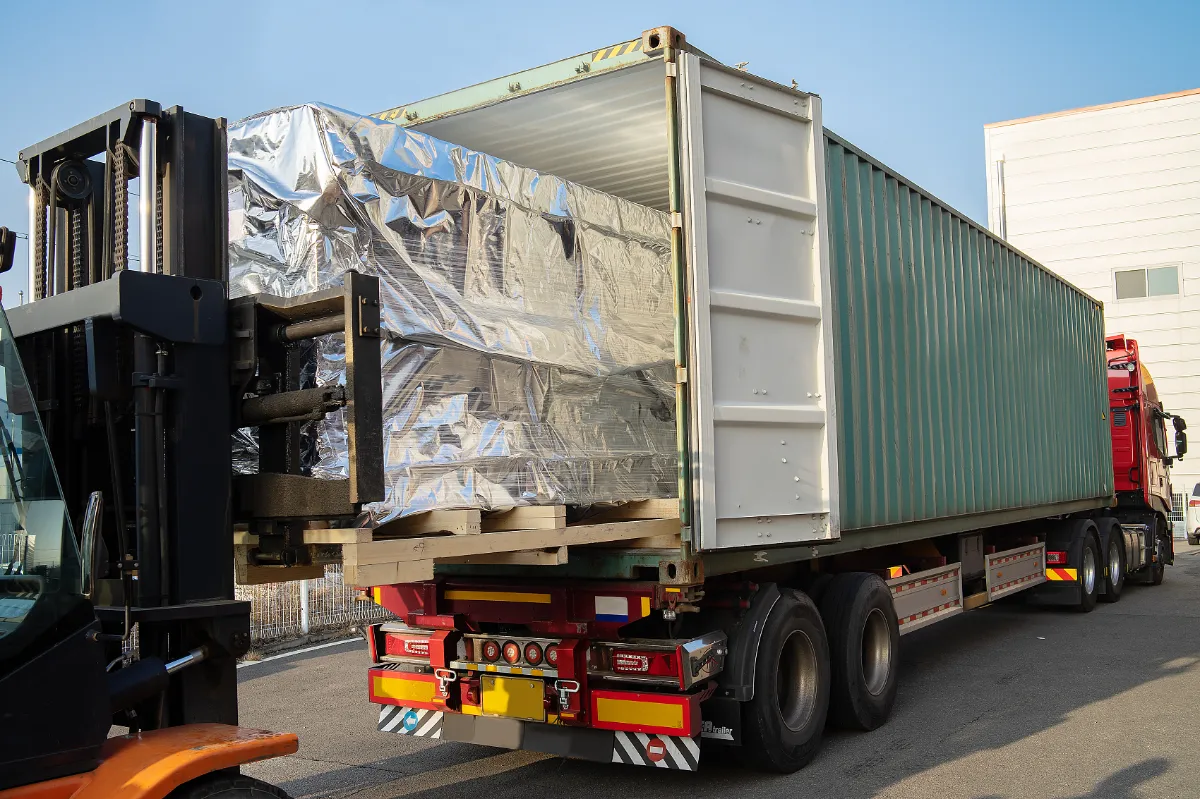
Nationwide freight represents a comprehensive logistics solution that connects businesses across entire countries through integrated transportation networks. This sophisticated system encompasses multiple transportation modes including trucking, rail, air, and maritime services, creating seamless supply chain operations that span from coast to coast. The core functionality of nationwide freight revolves around coordinating complex logistics operations that ensure goods move efficiently from manufacturers to distributors, retailers, and end consumers regardless of geographic barriers. Modern nationwide freight systems leverage advanced tracking technologies, route optimization algorithms, and real-time communication platforms to maintain visibility and control throughout the entire shipping process. These systems incorporate GPS tracking, RFID technology, and cloud-based management platforms that provide instant updates on shipment status, location, and estimated delivery times. The technological infrastructure supporting nationwide freight operations includes automated sorting facilities, computerized inventory management systems, and predictive analytics tools that help optimize routing decisions and reduce transportation costs. Key applications of nationwide freight services span across numerous industries including retail, manufacturing, automotive, healthcare, and e-commerce sectors. Retail chains rely on these services to maintain consistent inventory levels across multiple store locations, while manufacturers use nationwide freight to distribute products to regional distribution centers. The healthcare industry depends on these services for time-sensitive delivery of medical supplies and pharmaceuticals, ensuring critical items reach hospitals and clinics without delay. E-commerce businesses particularly benefit from nationwide freight capabilities as they need to fulfill customer orders quickly and efficiently across vast geographic areas. The integration of multiple transportation modes within nationwide freight systems allows for flexible shipping options that can accommodate various budget constraints, delivery timeframes, and cargo specifications, making it an essential component of modern commerce infrastructure.

New Product Recommendations

Nationwide freight services deliver substantial cost savings by consolidating shipments and optimizing transportation routes across entire countries. Companies reduce their logistics expenses significantly because freight providers leverage economies of scale, combining multiple shipments into full truckloads or rail cars, which dramatically lowers per-unit shipping costs compared to individual shipments. This consolidation approach eliminates the need for businesses to maintain their own large fleet of vehicles or negotiate separate contracts with multiple regional carriers. Speed and reliability represent another major advantage of nationwide freight systems. These services maintain extensive networks of distribution centers and transportation hubs strategically positioned across the country, enabling faster transit times and more predictable delivery schedules. Customers benefit from reduced inventory holding costs because they can replenish stock more frequently with confidence that shipments will arrive on schedule. The reliability factor becomes particularly important for businesses operating just-in-time manufacturing processes or those serving customers who expect rapid order fulfillment. Enhanced tracking capabilities provide complete visibility into shipment progress from pickup to final delivery. Modern nationwide freight services offer real-time tracking systems that allow customers to monitor their cargo at every stage of the journey. This transparency helps businesses plan their operations more effectively, communicate accurate delivery expectations to their customers, and quickly address any potential issues that might arise during transportation. The tracking data also provides valuable insights for supply chain optimization and performance analysis. Flexibility in service options allows businesses to choose transportation modes and delivery schedules that best match their specific requirements. Nationwide freight providers typically offer expedited services for urgent shipments, standard ground transportation for cost-effective delivery, and specialized handling for fragile or hazardous materials. This variety ensures that companies can find suitable solutions regardless of their cargo type, budget constraints, or timeline requirements. Risk mitigation represents a crucial benefit that nationwide freight services provide through professional handling, comprehensive insurance coverage, and experienced logistics management. Professional freight companies maintain trained personnel, proper equipment, and established procedures that minimize the risk of cargo damage, loss, or delays. Their insurance coverage protects customers against financial losses, while their experience in handling regulatory compliance, customs procedures, and documentation requirements reduces the administrative burden on shipping businesses.

Practical Tips

How to Choose the Right Express Freight Provider

26

Jun

How to Choose the Right Express Freight Provider

Assessing Your Express Shipping Requirements Looking at express shipping services means matching up delivery speeds with what customers actually expect from them. Most shoppers these days want really quick options like next day or two day delivery ...
View More
How Multimodal Transport Improves Logistics Efficiency?

26

Jun

How Multimodal Transport Improves Logistics Efficiency?

Streamlined Documentation Through Single Through-Bills Eliminating Redundant Paperwork Across Transport Modes When companies switch to single through-bills, they end up dealing with way less paperwork across all those different transportation metho...
View More
Sea Freight vs Air Freight: Which Is More Cost-Effective for You?

22

Jul

Sea Freight vs Air Freight: Which Is More Cost-Effective for You?

Comparing International Shipping Solutions When it comes to global trade and logistics, choosing the most suitable shipping method can significantly impact your business's bottom line. Among the most widely used options are sea freight and air freigh...
View More
How Does Ocean Freight Compare to Air and Rail Shipping Options?

05

Aug

How Does Ocean Freight Compare to Air and Rail Shipping Options?

Evaluating Global Shipping Methods for International Trade When moving goods across continents, businesses must carefully consider their shipping options to balance cost, speed, and reliability. Ocean freight remains the backbone of international tr...
View More

Get a Free Quote

Our representative will contact you soon.
Email
Name
Company Name
Message
0/1000

nationwide freight

Advanced Technology Integration

Advanced Technology Integration

The sophisticated technology infrastructure underlying nationwide freight operations revolutionizes how businesses manage their supply chain logistics across vast geographic regions. Modern nationwide freight systems integrate cutting-edge technologies including artificial intelligence, machine learning algorithms, and Internet of Things sensors to create intelligent transportation networks that continuously optimize performance and efficiency. These technological solutions provide real-time data analytics that enable freight companies to make instant routing decisions based on current traffic conditions, weather patterns, fuel costs, and capacity availability. The predictive analytics capabilities built into these systems analyze historical shipping patterns, seasonal demand fluctuations, and market trends to forecast optimal inventory positioning and transportation scheduling. GPS tracking technology combined with mobile applications allows customers to monitor their shipments with unprecedented precision, receiving automated notifications about pickup confirmations, transit milestones, and delivery completions. Radio-frequency identification technology streamlines warehouse operations by automatically scanning and tracking inventory movements, reducing human error and accelerating processing times. Cloud-based management platforms centralize all logistics data, enabling seamless communication between shippers, carriers, and recipients while maintaining comprehensive audit trails for compliance and performance analysis. Electronic data interchange systems facilitate automated document processing, eliminating paperwork delays and reducing administrative overhead costs. Blockchain technology is increasingly being integrated to enhance security, transparency, and traceability throughout the supply chain, providing immutable records of every transaction and movement. Mobile workforce management tools equipped with digital signature capture, photo documentation, and instant messaging capabilities empower drivers and warehouse personnel to provide superior customer service while maintaining accurate delivery records. These technological advancements collectively transform nationwide freight from a traditional transportation service into a sophisticated logistics intelligence platform that delivers measurable improvements in efficiency, visibility, and customer satisfaction while reducing operational costs and environmental impact through optimized resource utilization.
Comprehensive Coverage and Reliability

Comprehensive Coverage and Reliability

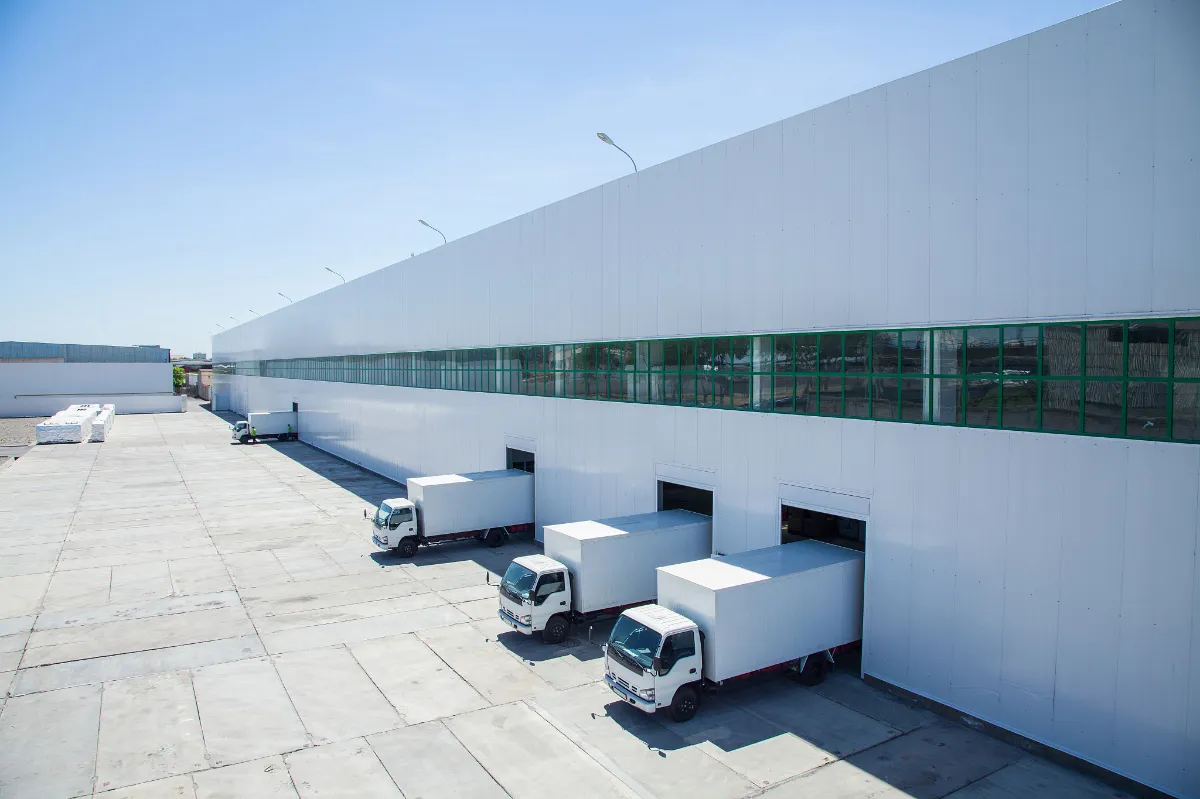
Nationwide freight services establish extensive transportation networks that provide comprehensive geographic coverage, ensuring businesses can reach customers and suppliers in even the most remote locations across the country. This extensive reach eliminates the complexity and expense of coordinating multiple regional carriers, providing a single point of contact for all shipping needs regardless of destination. The comprehensive coverage extends beyond major metropolitan areas to include rural communities, small towns, and specialized industrial zones that might otherwise be difficult or expensive to serve through traditional shipping methods. Reliability forms the cornerstone of effective nationwide freight operations, with service providers maintaining rigorous performance standards that ensure consistent on-time delivery rates exceeding industry benchmarks. These companies invest heavily in backup systems, redundant transportation routes, and contingency planning to minimize service disruptions caused by weather events, equipment failures, or unexpected demand surges. Professional freight providers maintain strategic partnerships with local and regional carriers to ensure seamless coverage in areas where direct service might not be economically feasible, creating a comprehensive network that combines the efficiency of large-scale operations with the flexibility of local expertise. Quality assurance programs monitor every aspect of the transportation process, from initial pickup through final delivery, implementing standardized procedures that ensure consistent service quality regardless of geographic location or shipment characteristics. Customer service teams provide dedicated support throughout the entire shipping process, offering proactive communication about potential delays, alternative routing options, and resolution strategies for any issues that might arise. The reliability advantage extends to specialized services including temperature-controlled transportation, hazardous materials handling, and oversized cargo movement, with nationwide freight providers maintaining the expertise, equipment, and certifications necessary to handle diverse shipping requirements safely and efficiently. Performance metrics and service level agreements provide measurable assurance that shipments will be handled professionally and delivered according to agreed-upon schedules, giving businesses the confidence to make commitments to their own customers based on reliable transportation services.
Cost Optimization and Economic Benefits

Cost Optimization and Economic Benefits

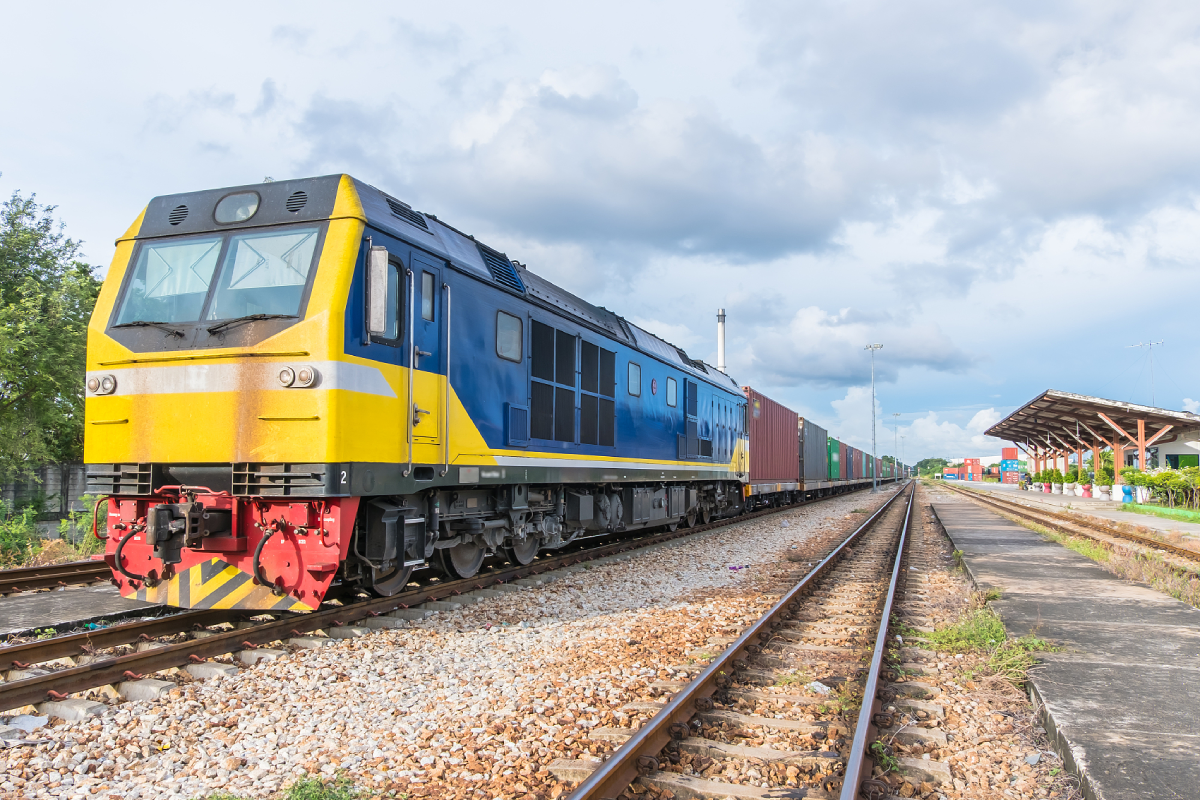
Nationwide freight services deliver substantial economic advantages through sophisticated cost optimization strategies that leverage scale, technology, and operational efficiency to provide shipping solutions at significantly reduced rates compared to alternative transportation methods. The fundamental cost advantage emerges from the ability to consolidate shipments from multiple customers into efficient transportation loads, distributing fixed costs across numerous shipments while maximizing vehicle utilization rates. This consolidation approach transforms what would be expensive individual shipments into cost-effective shared transportation, with customers paying only for their proportional share of the total transportation cost. Volume discounting programs reward high-volume shippers with progressively lower per-shipment rates, enabling businesses to achieve substantial savings as their shipping volumes increase throughout the year. Zone-skipping strategies employed by nationwide freight providers route shipments through strategically located distribution centers to minimize the distance traveled in expensive final-mile delivery zones, reducing both transportation costs and delivery times. Fuel surcharge management programs provide transparency and predictability in pricing by adjusting rates based on current fuel costs rather than imposing arbitrary increases, helping businesses budget more accurately for their transportation expenses. Backhaul optimization maximizes equipment utilization by coordinating return loads, reducing empty miles and sharing cost savings with customers through lower overall shipping rates. Intermodal transportation options combine multiple transportation modes to achieve optimal cost efficiency, utilizing rail for long-distance segments where it offers cost advantages and transitioning to truck transportation for final delivery where flexibility is required. Inventory optimization services help businesses reduce their total logistics costs by analyzing shipping patterns and recommending strategic inventory positioning that minimizes transportation expenses while maintaining appropriate service levels. These economic benefits extend beyond direct shipping costs to include reduced administrative overhead, decreased insurance requirements, and improved cash flow management through consolidated billing and extended payment terms that help businesses optimize their working capital requirements while maintaining reliable transportation services that support their operational objectives and customer satisfaction goals.

Get a Free Quote

Our representative will contact you soon.
Email
Name
Company Name
Message
0/1000

Get a Free Quote

Our representative will contact you soon.
Email
Name
Company Name
Message
0/1000