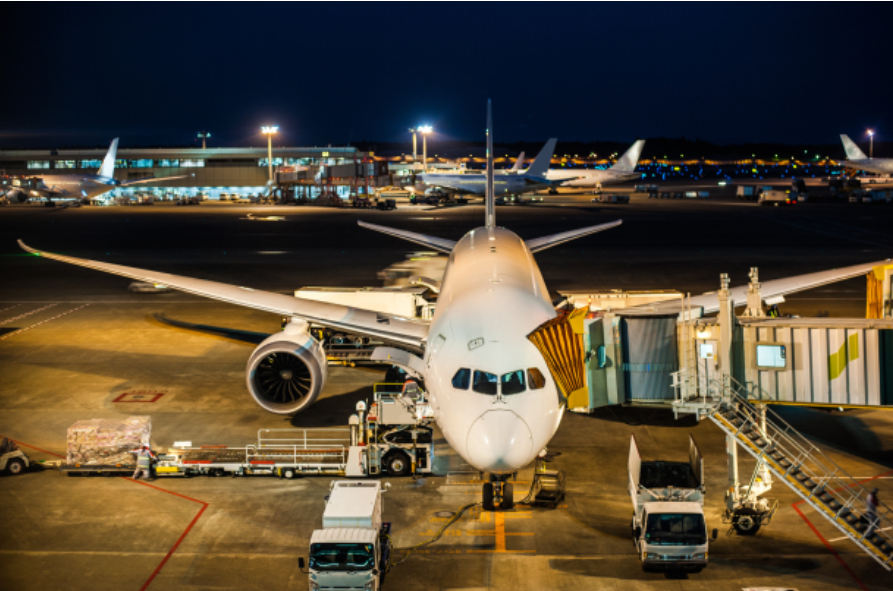
nationwide logistics
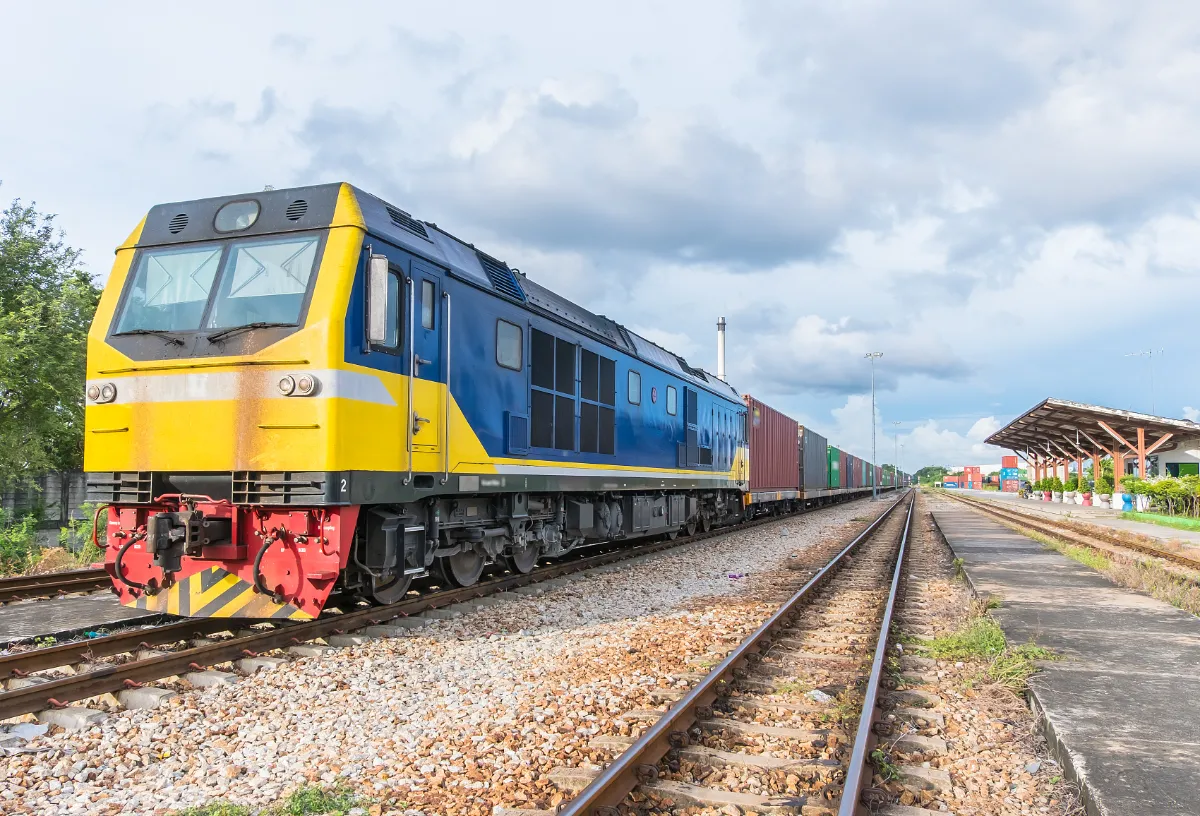
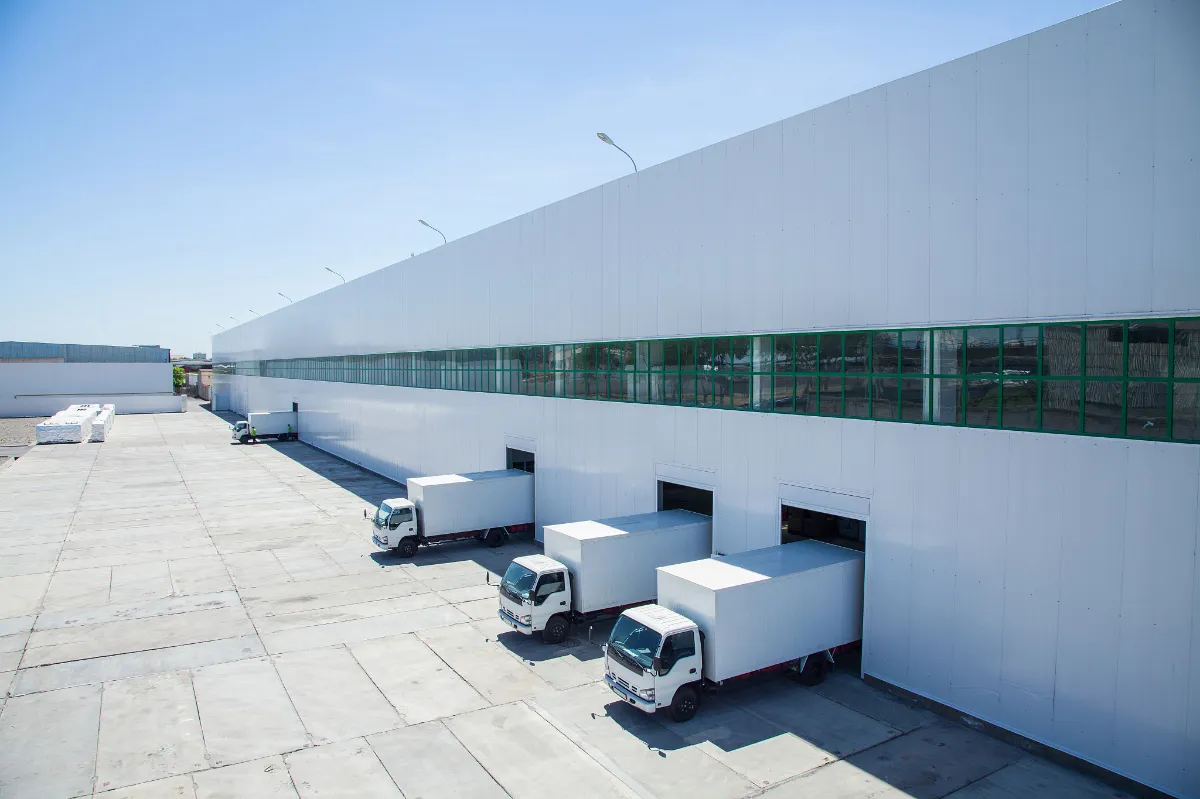
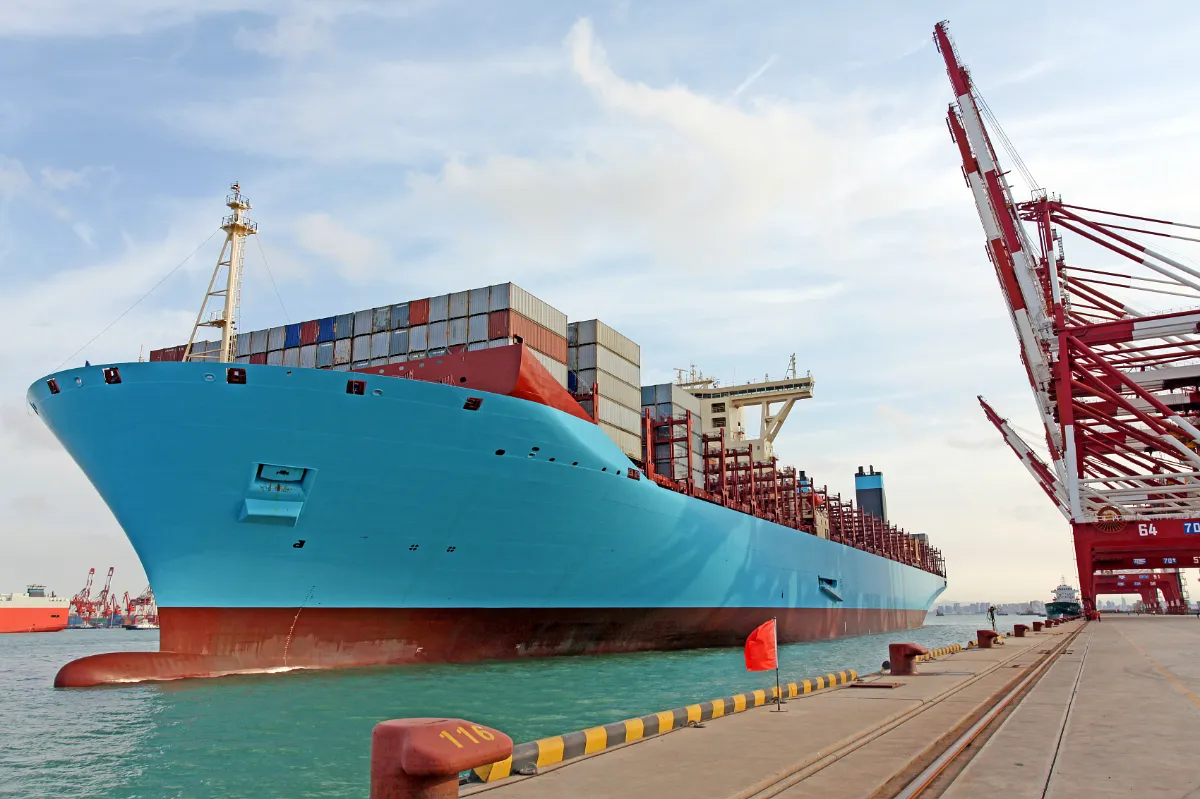
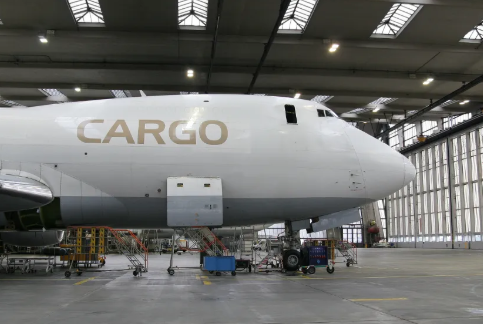
Nationwide logistics represents a comprehensive supply chain management system that spans across an entire country, facilitating the seamless movement of goods, information, and resources from origin points to final destinations. This sophisticated network encompasses multiple transportation modes, warehousing facilities, distribution centers, and advanced technology platforms that work in unison to ensure efficient delivery services. The main functions of nationwide logistics include inventory management, order processing, transportation coordination, warehousing operations, and last-mile delivery solutions. These systems integrate various stakeholders including manufacturers, retailers, carriers, and end consumers into a cohesive operational framework. Technological features of modern nationwide logistics systems incorporate artificial intelligence, machine learning algorithms, GPS tracking, automated sorting equipment, and cloud-based management platforms. These technologies enable real-time visibility, predictive analytics, route optimization, and automated decision-making processes. Internet of Things sensors monitor environmental conditions, vehicle performance, and cargo status throughout the transportation journey. Blockchain technology ensures transparency and security in transactions and documentation. Applications of nationwide logistics extend across numerous industries including e-commerce, manufacturing, healthcare, automotive, and retail sectors. E-commerce platforms rely heavily on these networks to fulfill customer orders rapidly and cost-effectively. Manufacturing companies utilize nationwide logistics to source raw materials and distribute finished products to markets across the country. Healthcare organizations depend on these systems for medical supply distribution and pharmaceutical delivery. The automotive industry leverages these networks for parts distribution and vehicle transportation. Retailers use nationwide logistics for inventory replenishment and customer order fulfillment. The integration of multiple transportation modes such as trucks, trains, aircraft, and ships creates flexible shipping options that accommodate diverse customer requirements and budget constraints.

 EN
EN