China Main Sea Ports: World-Leading Maritime Gateways for Global Trade and Logistics Excellence

All Categories

china main sea ports

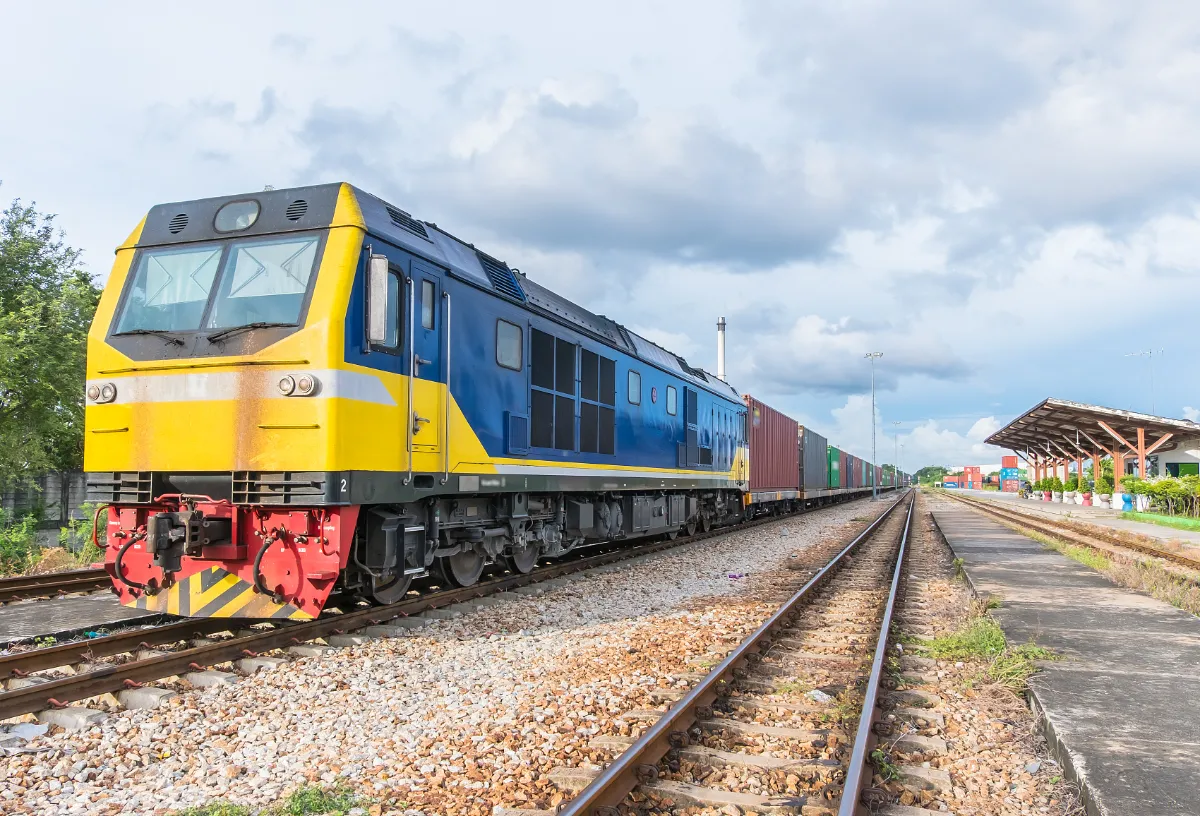
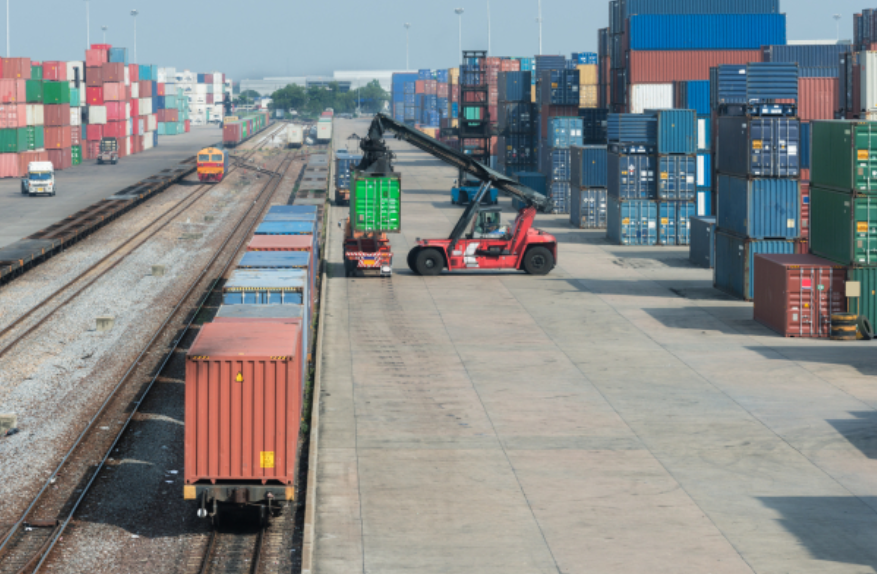
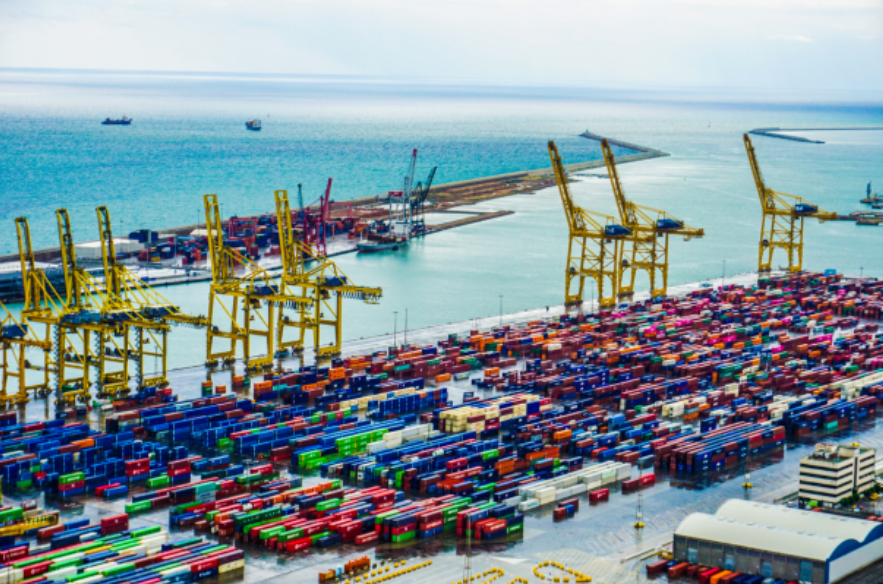
China main sea ports represent the backbone of global maritime trade, serving as critical gateways that connect the world's second-largest economy with international markets. These strategic coastal facilities have evolved into sophisticated logistics hubs that facilitate billions of dollars in trade annually. The china main sea ports encompass major installations including Shanghai Port, Shenzhen Port, Ningbo-Zhoushan Port, Qingdao Port, Guangzhou Port, Tianjin Port, and Xiamen Port, each serving distinct regional and international functions. These ports collectively handle over 40% of the world's container throughput, demonstrating their pivotal role in global supply chains. The primary functions of china main sea ports extend beyond simple cargo handling to include comprehensive logistics services, warehousing, distribution, manufacturing support, and value-added processing. Modern technological features integrated into china main sea ports include automated container terminals, artificial intelligence-driven cargo management systems, blockchain-based documentation processes, and Internet of Things sensors for real-time tracking. These ports utilize advanced crane systems, automated guided vehicles, and sophisticated port management software to optimize operations. The technological infrastructure supports seamless integration with rail, road, and inland waterway networks, creating multimodal transportation solutions. Applications of china main sea ports span diverse industries including electronics, automotive, textiles, chemicals, energy, and agricultural products. These facilities serve as manufacturing bases where goods are assembled, processed, and prepared for global distribution. The ports also function as transshipment hubs where cargo from smaller regional ports is consolidated for international shipping. Environmental sustainability initiatives have become integral features, with many china main sea ports implementing green technologies, renewable energy systems, and emission reduction programs to minimize their ecological footprint while maintaining operational efficiency.

New Products

China main sea ports offer numerous compelling advantages that make them preferred choices for international businesses and logistics operations. The strategic geographical positioning of china main sea ports provides unmatched access to Asian markets while serving as optimal transit points for global trade routes. These ports benefit from China's extensive manufacturing ecosystem, allowing businesses to source products directly from production facilities and ship them efficiently worldwide. The scale and capacity of china main sea ports enable them to handle massive cargo volumes while maintaining competitive pricing structures that benefit shippers and importers alike. Advanced infrastructure investments have equipped china main sea ports with state-of-the-art facilities that reduce processing times and improve cargo security. The integration of digital technologies streamlines documentation processes, eliminates paperwork delays, and provides real-time visibility into shipment status. China main sea ports maintain excellent connectivity to inland transportation networks including high-speed rail systems, expressways, and river transport, facilitating smooth cargo movement to interior destinations. The skilled workforce at china main sea ports possesses extensive experience in handling diverse cargo types and complex logistics requirements. Government support and policy frameworks create favorable business environments that encourage international trade and investment. China main sea ports offer comprehensive service packages that include customs clearance, warehousing, distribution, quality inspection, and value-added services under single-window operations. The competitive cost structure of china main sea ports encompasses reasonable port fees, efficient labor costs, and economical land transportation rates that translate into significant savings for businesses. These ports maintain round-the-clock operations that accommodate different time zones and urgent shipping requirements. The reliability and punctuality of services at china main sea ports have established strong reputations that attract global shipping lines and major logistics companies. Free trade zones and bonded warehouse facilities at china main sea ports provide tax advantages and simplified procedures for international businesses. The continuous expansion and modernization programs ensure that china main sea ports remain at the forefront of maritime technology and capacity development.

Practical Tips

Best Express Freight Companies for Fast Shipping

19

Sep

Best Express Freight Companies for Fast Shipping

Choosing the Right Freight Company for Reliable Deliveries In today's fast-paced world, businesses and individuals alike are increasingly relying on efficient logistics to meet their shipping needs. Fast Shipping has become more than a convenience; ...
View More
What Is 3PL and How Can It Improve Your Warehousing Efficiency?

05

Aug

What Is 3PL and How Can It Improve Your Warehousing Efficiency?

Understanding the Transformative Power of 3PL in Modern Warehousing The logistics landscape has evolved dramatically with the rise of third-party logistics providers offering comprehensive solutions that redefine warehouse efficiency. 3PL services e...
View More
Top Benefits of Outsourcing Logistics to a 3PL & Warehousing Partner

05

Aug

Top Benefits of Outsourcing Logistics to a 3PL & Warehousing Partner

Transforming Supply Chain Performance Through Strategic Partnerships Businesses across industries are discovering the competitive advantages of outsourcing logistics operations to specialized 3PL providers. The right 3PL partnership delivers far mor...
View More
What Are the Main Advantages of Choosing Air Freight Services

18

Sep

What Are the Main Advantages of Choosing Air Freight Services

Understanding the Superior Value of Modern Air Transportation In today's fast-paced global marketplace, businesses require efficient and reliable shipping solutions to maintain their competitive edge. Air freight services have emerged as a cornerston...
View More

Get a Free Quote

Our representative will contact you soon.
Email
Name
Company Name
Message
0/1000

china main sea ports

Cutting-Edge Automation and Digital Integration Systems

Cutting-Edge Automation and Digital Integration Systems

China main sea ports have revolutionized maritime logistics through comprehensive automation and digital integration systems that set new industry standards for efficiency and reliability. These advanced technological implementations transform traditional port operations into smart, data-driven facilities that optimize every aspect of cargo handling and vessel management. The automation systems deployed across china main sea ports include fully automated container terminals equipped with remote-controlled cranes, automated guided vehicles, and robotic stacking systems that operate with minimal human intervention. These technologies significantly reduce operational errors while increasing processing speeds and cargo throughput capacity. Digital integration platforms connect all stakeholders including shipping lines, customs authorities, freight forwarders, and trucking companies through unified electronic systems that eliminate paper-based processes and reduce clearance times from days to hours. Real-time data analytics capabilities enable china main sea ports to predict traffic patterns, optimize berth allocation, and coordinate vessel scheduling to minimize waiting times and maximize operational efficiency. Blockchain technology implementation ensures secure, transparent, and immutable documentation processes that enhance trust and reduce fraud risks in international trade transactions. Internet of Things sensors throughout china main sea ports monitor cargo conditions, track container movements, and provide instant alerts for security breaches or equipment malfunctions. Artificial intelligence algorithms analyze historical data and current conditions to optimize port operations, predict maintenance requirements, and improve resource allocation decisions. Mobile applications and cloud-based platforms allow customers to access real-time information about their shipments, submit documentation electronically, and communicate directly with port officials from anywhere in the world. These technological advantages translate into tangible benefits for businesses including reduced logistics costs, faster cargo processing, improved supply chain visibility, enhanced security measures, and simplified administrative procedures that streamline international trade operations.
Unparalleled Scale and Comprehensive Infrastructure Network

Unparalleled Scale and Comprehensive Infrastructure Network

China main sea ports possess unparalleled scale and comprehensive infrastructure networks that establish them as global leaders in maritime cargo handling capacity and multimodal connectivity solutions. The sheer magnitude of these port facilities is exemplified by Shanghai Port, which consistently ranks as the world's busiest container port, handling over 47 million twenty-foot equivalent units annually, while the combined capacity of all china main sea ports exceeds 300 million containers per year. This massive scale enables china main sea ports to accommodate the largest container vessels in the world, including ultra-large container vessels that require sophisticated deep-water berths, specialized handling equipment, and extensive yard space for cargo storage and processing. The infrastructure networks surrounding china main sea ports include dedicated freight rail terminals that connect directly to China's vast high-speed rail system, enabling rapid inland transportation to major manufacturing centers and consumer markets across the country. Expressway connections provide seamless truck access to port facilities while reducing urban traffic congestion through dedicated freight corridors and intelligent traffic management systems. River and canal networks extend the reach of china main sea ports deep into China's interior regions, creating integrated waterway transportation systems that reduce costs and environmental impact compared to road transport alternatives. The comprehensive infrastructure includes specialized facilities for different cargo types such as liquid bulk terminals for petroleum and chemical products, dry bulk facilities for coal and grain shipments, automotive terminals with multi-level storage systems, and temperature-controlled facilities for perishable goods. Warehousing and distribution centers located within port complexes provide immediate access to value-added services including packaging, labeling, quality control, and cross-docking operations. The infrastructure investments also encompass advanced utility systems including reliable power supply, telecommunications networks, water treatment facilities, and waste management systems that ensure sustainable operations while meeting international environmental standards and supporting business continuity requirements.
Strategic Location and Exceptional Market Access Benefits

Strategic Location and Exceptional Market Access Benefits

China main sea ports leverage their strategic geographical locations to provide exceptional market access benefits that connect businesses to the world's most dynamic economic regions and fastest-growing consumer markets. The positioning of china main sea ports along the Pacific Rim places them at the center of major international shipping routes that link Asia, North America, Europe, and emerging markets in Southeast Asia and Latin America. This strategic advantage enables businesses to reach over 60% of the world's population and GDP within a 48-hour shipping radius, making china main sea ports ideal hubs for global distribution strategies. The proximity to China's massive domestic market of 1.4 billion consumers provides immediate access to purchasing power that continues expanding as middle-class incomes rise and consumption patterns evolve toward higher-value products and services. Manufacturing clusters surrounding china main sea ports create unique ecosystems where raw materials can be imported, processed into finished goods, and exported to global markets within the same geographical area, reducing transportation costs and lead times while improving supply chain responsiveness. The regional integration facilitated by china main sea ports extends throughout Asia through established shipping networks that connect to major ports in Japan, South Korea, Southeast Asia, and India, enabling businesses to serve multiple Asian markets from centralized distribution points. Free trade agreements between China and numerous countries provide preferential tariff treatments and simplified customs procedures that reduce trade barriers and costs for businesses utilizing china main sea ports. The Belt and Road Initiative has further enhanced the strategic value of china main sea ports by creating new overland trade routes that connect Asia with Europe and Africa, offering alternative transportation options that bypass traditional maritime chokepoints. Time zone advantages allow china main sea ports to maintain business operations that overlap with both Asian and European business hours, facilitating real-time communication and coordination with global partners. The established business networks and relationships that have developed around china main sea ports include international banks, insurance companies, logistics providers, and trading companies that offer comprehensive support services for businesses entering or expanding in Asian markets.

Get a Free Quote

Our representative will contact you soon.
Email
Name
Company Name
Message
0/1000

Get a Free Quote

Our representative will contact you soon.
Email
Name
Company Name
Message
0/1000