major chinese ports
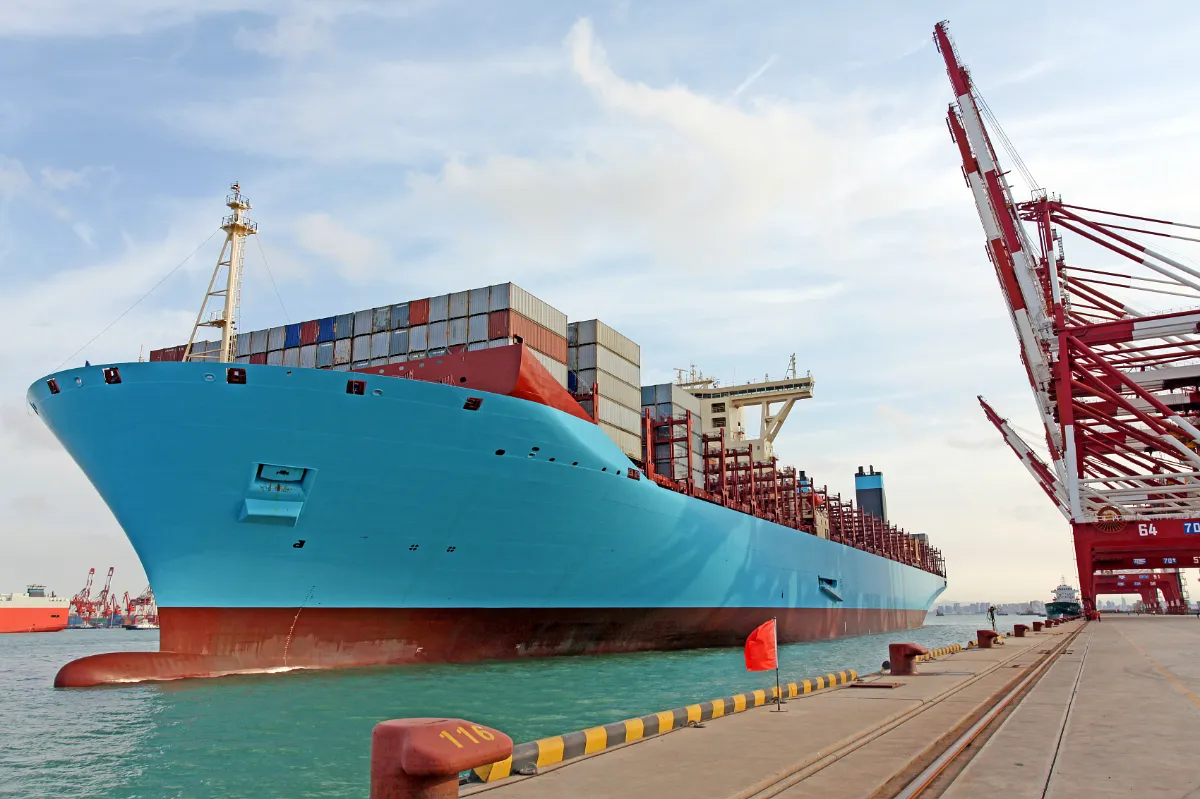
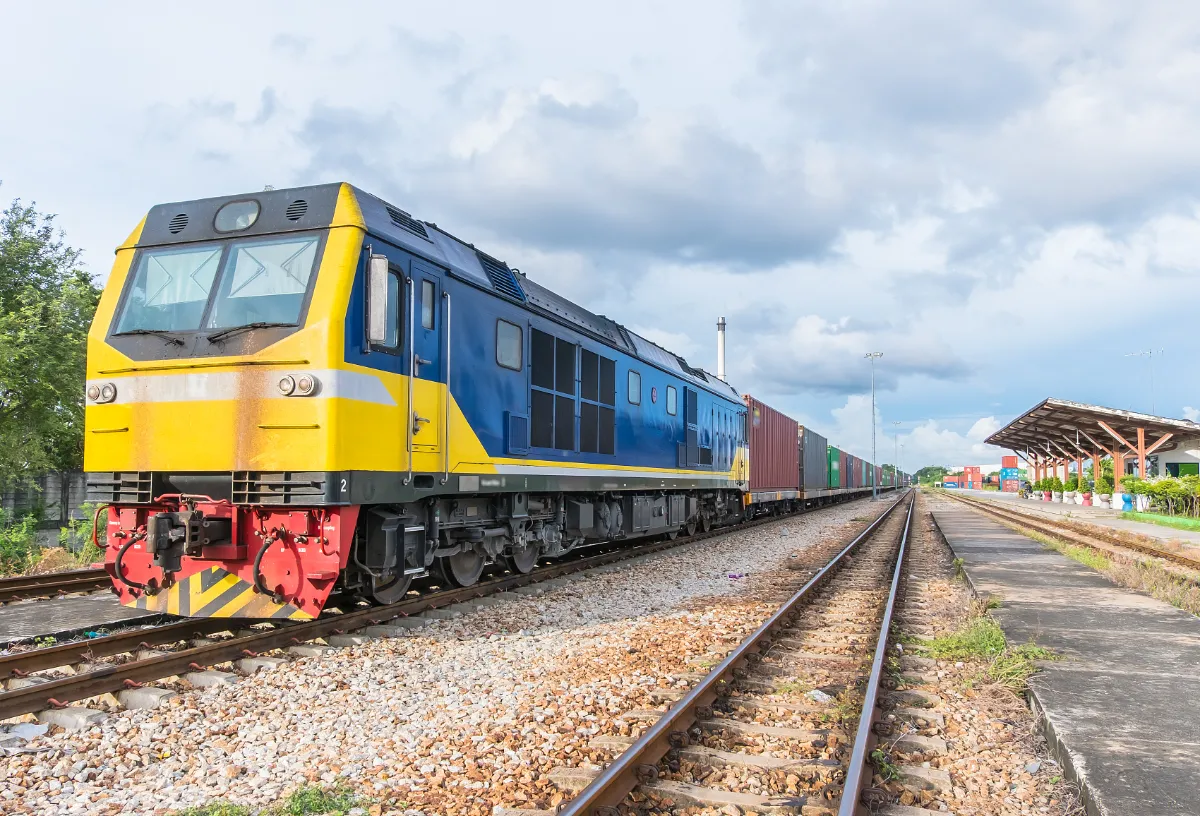
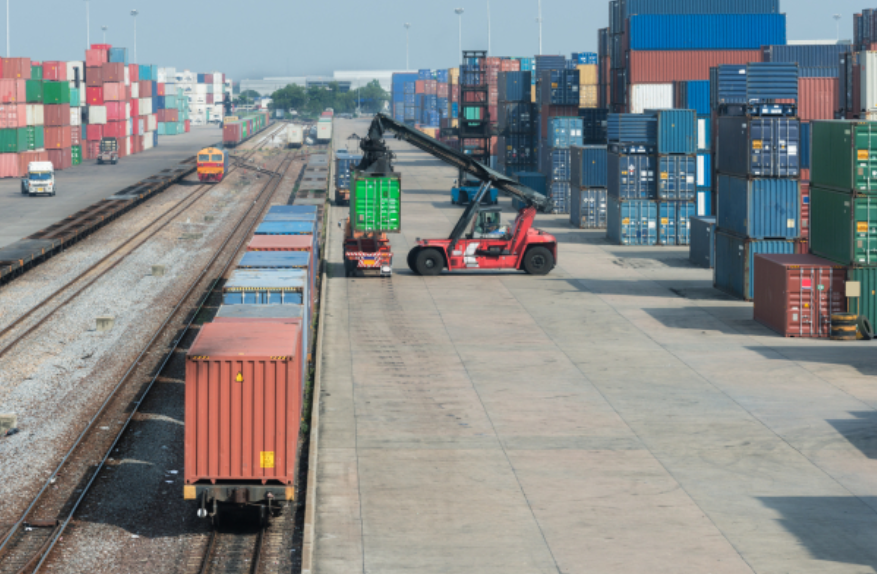
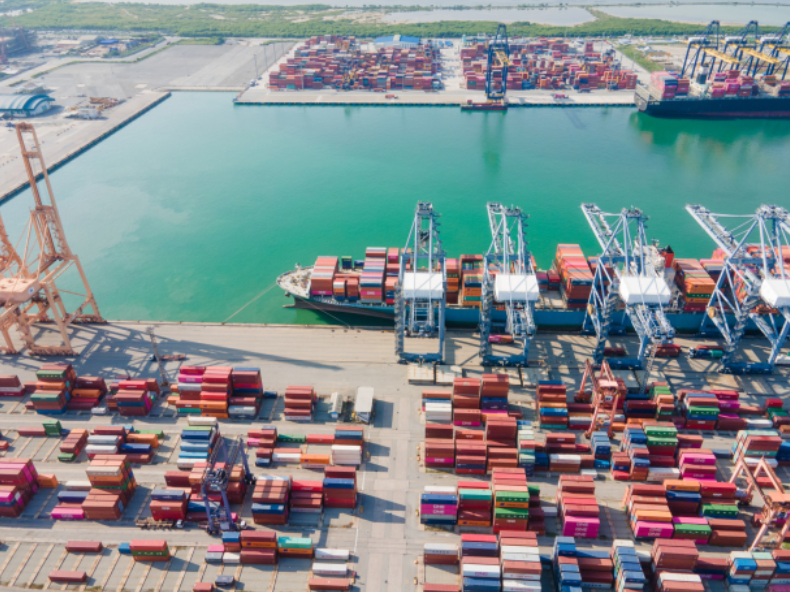
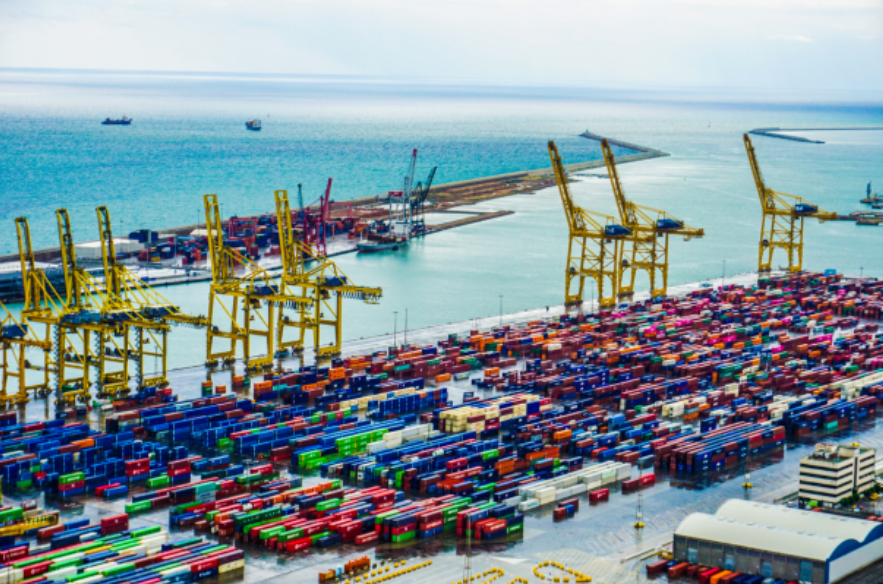
Major Chinese ports represent the backbone of global maritime trade, serving as critical gateways that connect China's manufacturing powerhouse to international markets worldwide. These sophisticated maritime facilities have evolved into comprehensive logistics hubs that facilitate the movement of billions of dollars worth of goods annually. The Port of Shanghai stands as the world's busiest container port, handling over 47 million twenty-foot equivalent units annually, while other major Chinese ports including Shenzhen, Ningbo-Zhoushan, Qingdao, Guangzhou, Tianjin, and Xiamen collectively process approximately 60 percent of global container traffic. These major Chinese ports incorporate cutting-edge automation technologies, featuring automated guided vehicles, robotic cranes, and artificial intelligence-driven cargo management systems that optimize vessel turnaround times and reduce operational costs. The technological infrastructure includes advanced port community systems that enable seamless digital integration between shipping lines, freight forwarders, customs authorities, and logistics providers. Major Chinese ports utilize sophisticated vessel traffic management systems equipped with radar networks, GPS tracking, and real-time weather monitoring to ensure safe navigation and efficient berthing operations. The application scope extends beyond traditional cargo handling to encompass value-added services such as warehousing, distribution, manufacturing, and financial services. These facilities support diverse cargo types including containerized goods, bulk commodities, liquid chemicals, automobiles, and specialized project cargo. Major Chinese ports maintain strategic connections to China's extensive rail and highway networks, enabling efficient inland transportation to manufacturing centers and consumer markets across the country. The integration of blockchain technology enhances supply chain transparency and reduces documentation processing times, while Internet of Things sensors provide real-time cargo monitoring and environmental control capabilities throughout the logistics chain.

 EN
EN