medicine logistics china
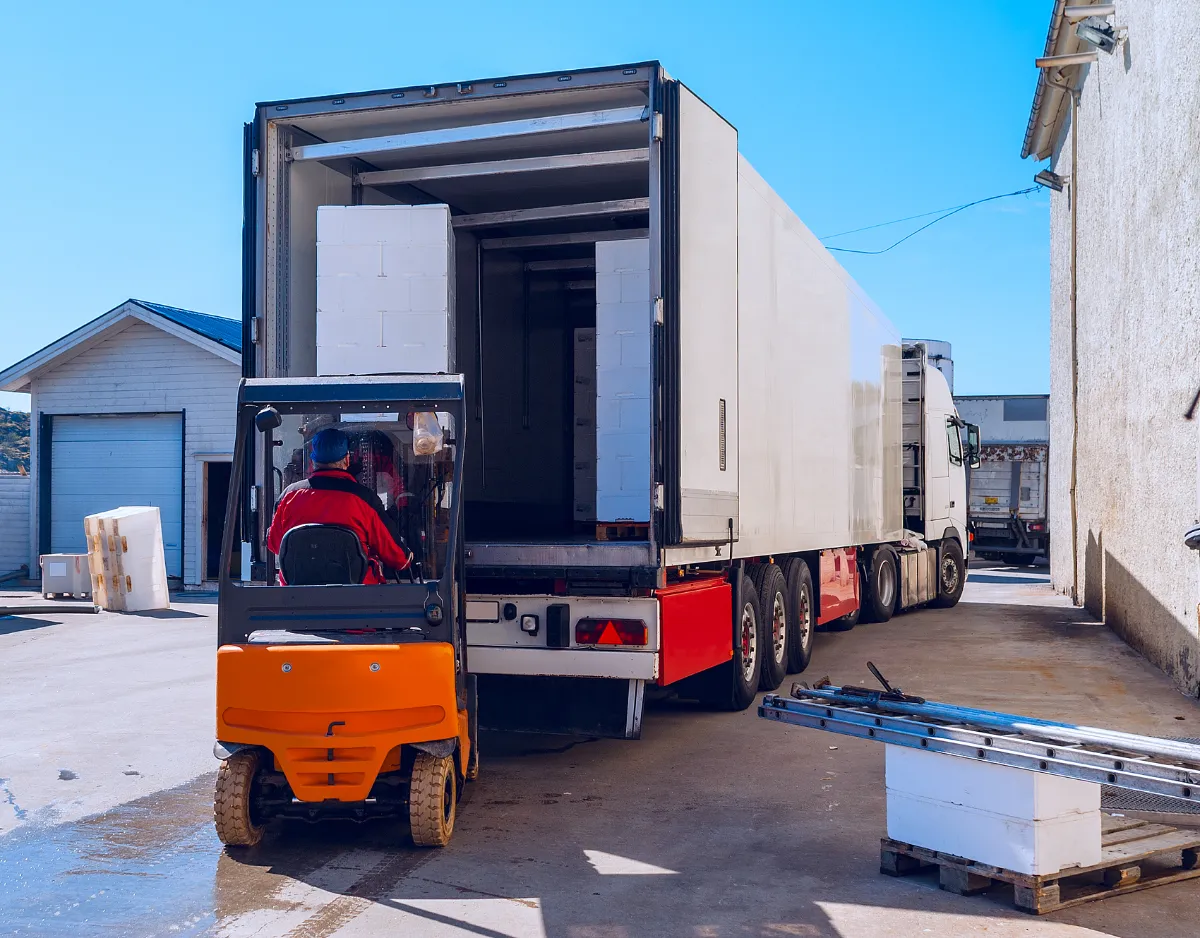
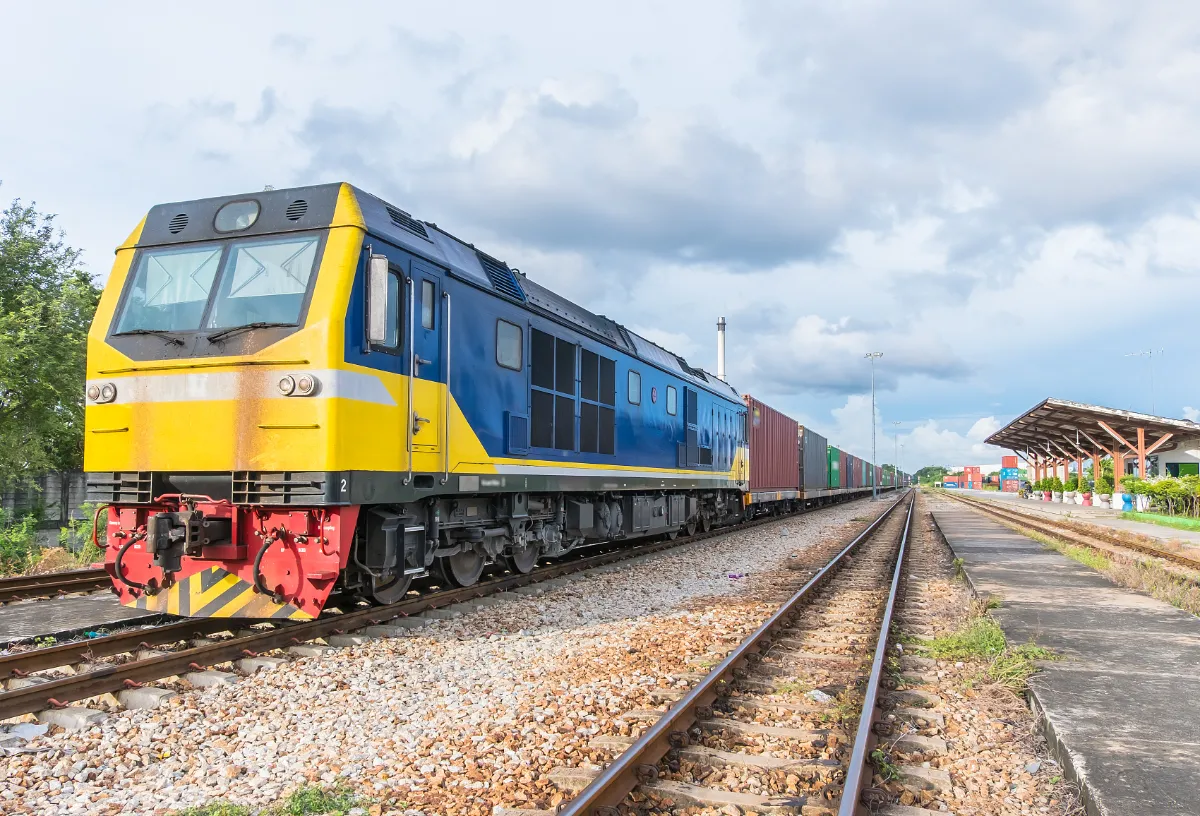
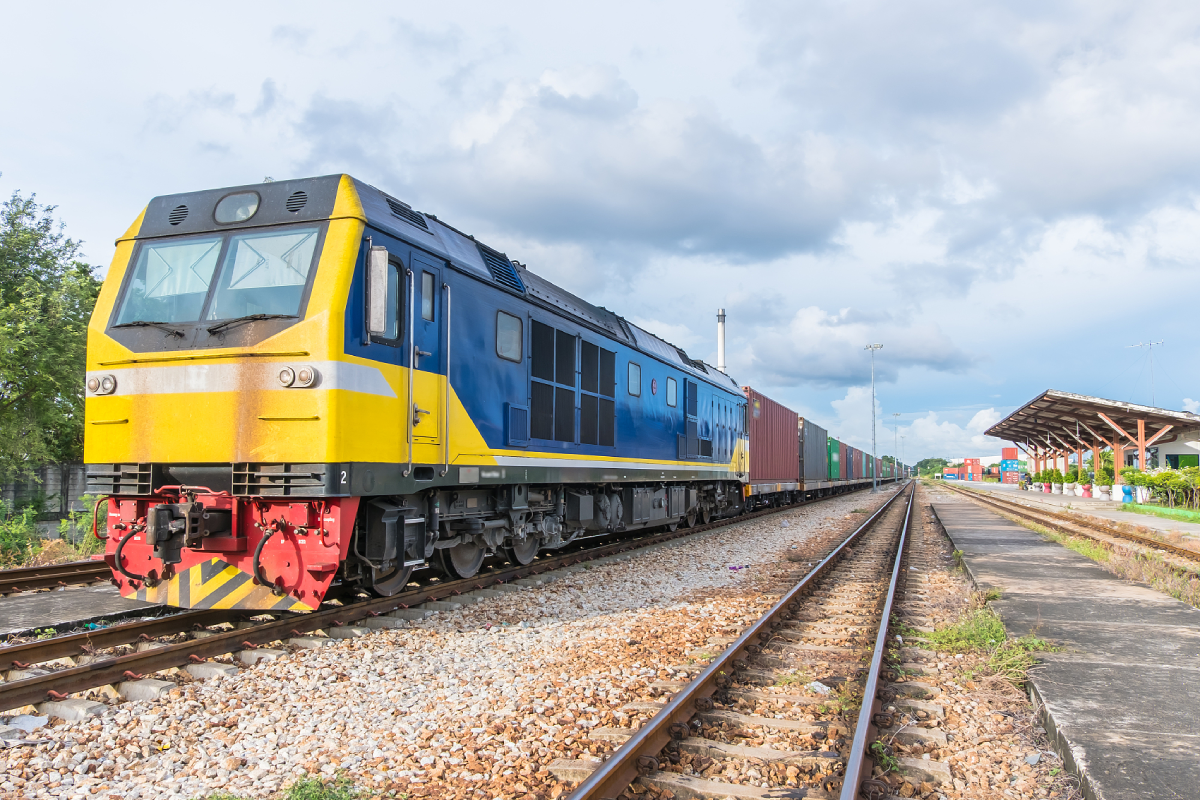
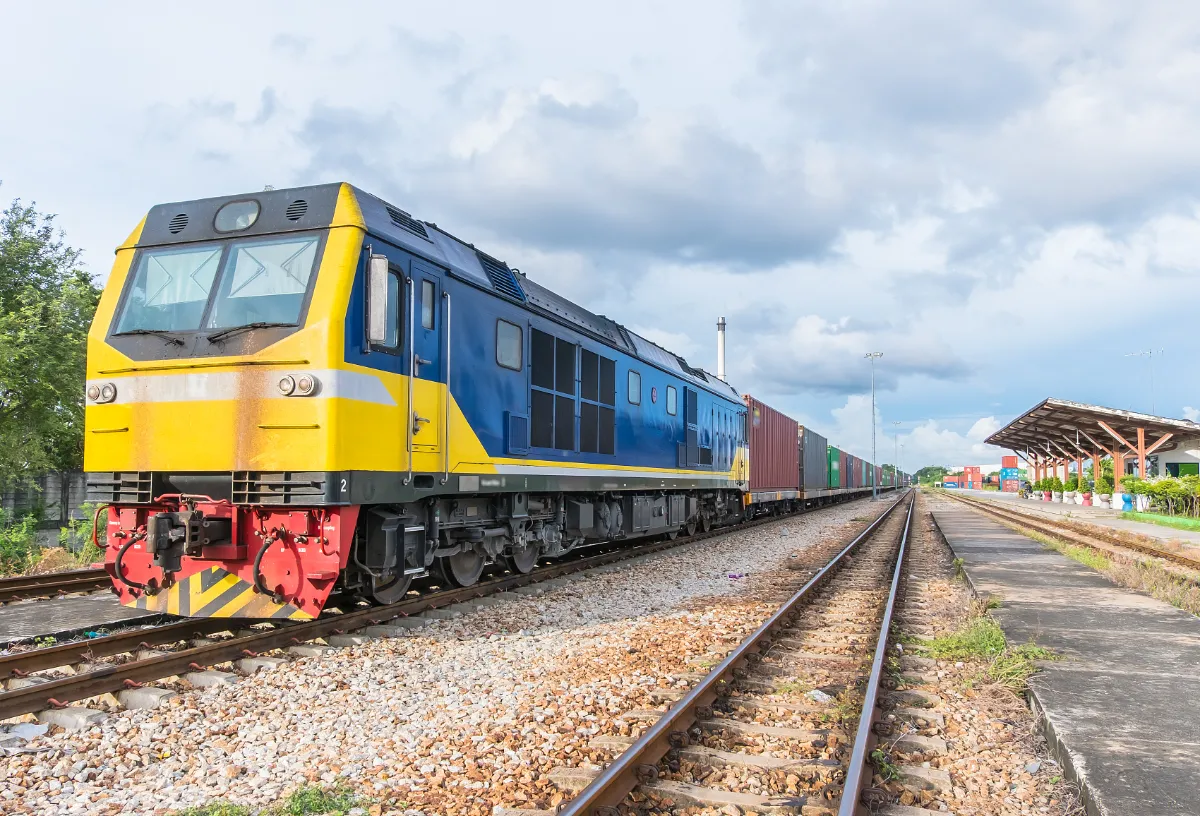
Medicine logistics China represents a sophisticated pharmaceutical supply chain ecosystem that has evolved into one of the world's most advanced healthcare distribution networks. This comprehensive system encompasses the entire journey of pharmaceutical products from manufacturers to end consumers, incorporating cutting-edge technology, stringent quality controls, and efficient distribution mechanisms. The medicine logistics China infrastructure serves as the backbone for the country's healthcare system, ensuring timely delivery of essential medications, medical devices, and healthcare products across diverse geographical regions. The system integrates multiple stakeholders including pharmaceutical manufacturers, wholesale distributors, retail pharmacies, hospitals, and regulatory authorities, creating a seamless flow of medical products throughout the supply chain. Advanced warehouse management systems, temperature-controlled storage facilities, and real-time tracking technologies form the technological foundation of medicine logistics China operations. These systems maintain product integrity, ensure compliance with regulatory standards, and provide complete visibility throughout the distribution process. The network utilizes sophisticated inventory management algorithms, predictive analytics, and demand forecasting tools to optimize stock levels and reduce waste. Cold chain management capabilities are particularly crucial, maintaining precise temperature controls for temperature-sensitive medications and biologics. The medicine logistics China framework also incorporates robust quality assurance protocols, including batch tracking, expiration date monitoring, and product authentication measures to prevent counterfeit medications from entering the supply chain. Digital platforms and mobile applications facilitate seamless communication between different stakeholders, enabling real-time order processing, inventory updates, and delivery confirmations. The system's applications span across various healthcare segments including hospitals, clinics, retail pharmacies, online pharmaceutical platforms, and direct-to-consumer delivery services, making healthcare products accessible to millions of patients across urban and rural areas.

 EN
EN