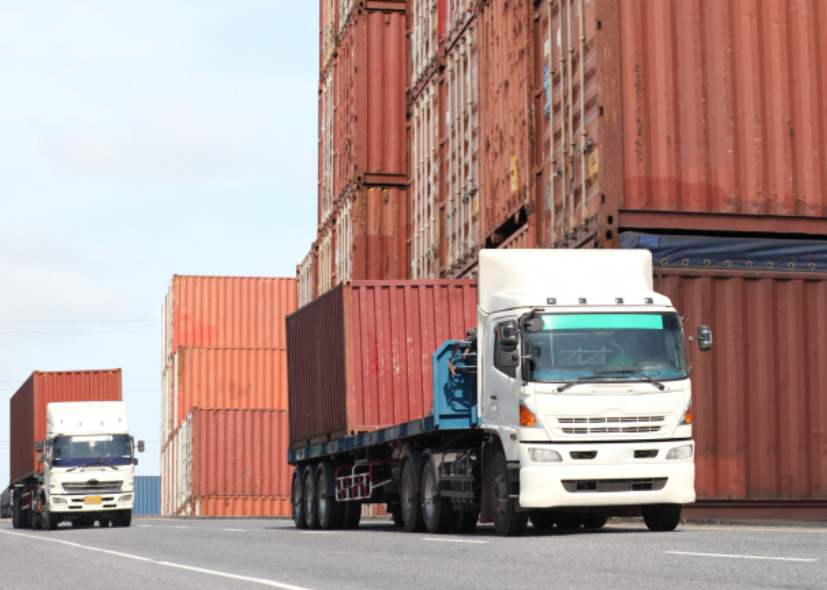
hong kong truck
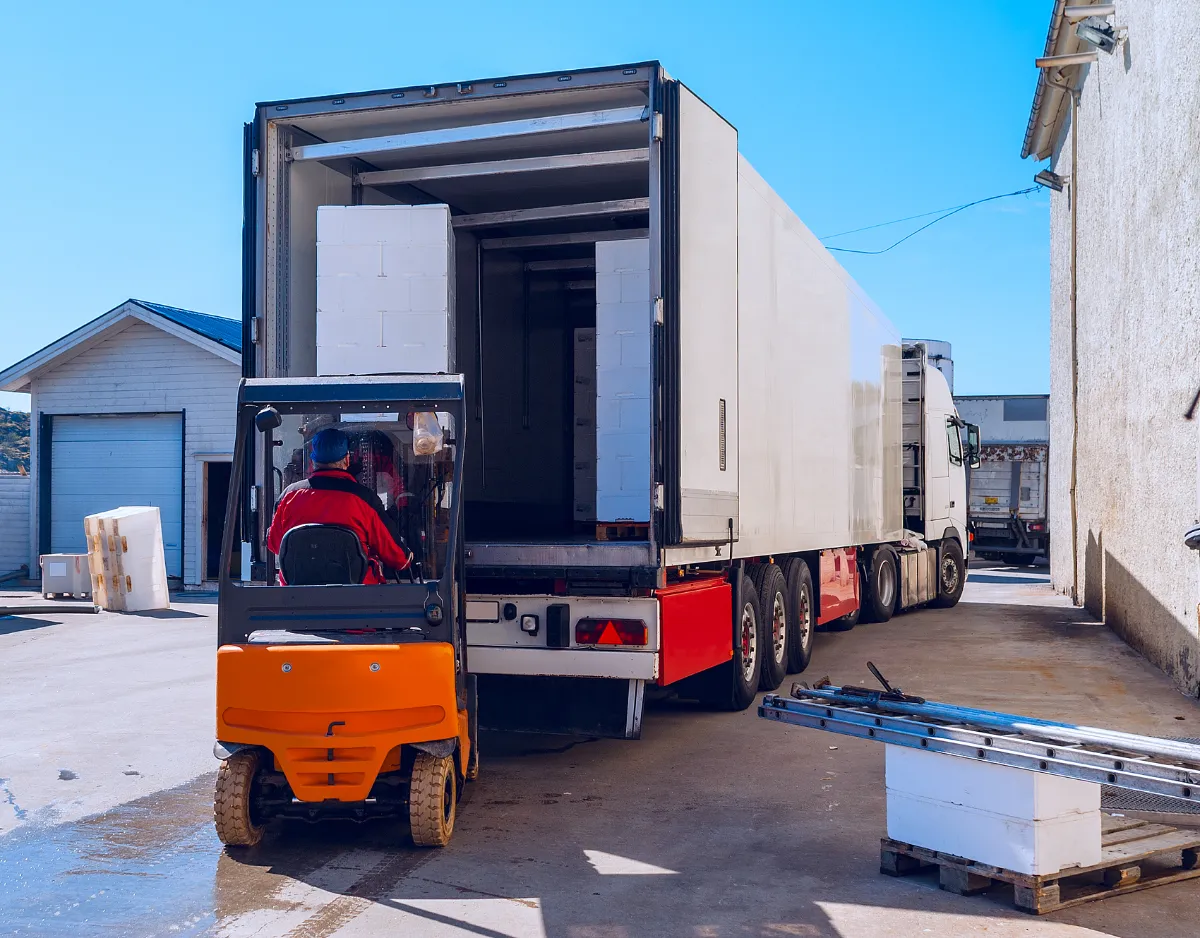
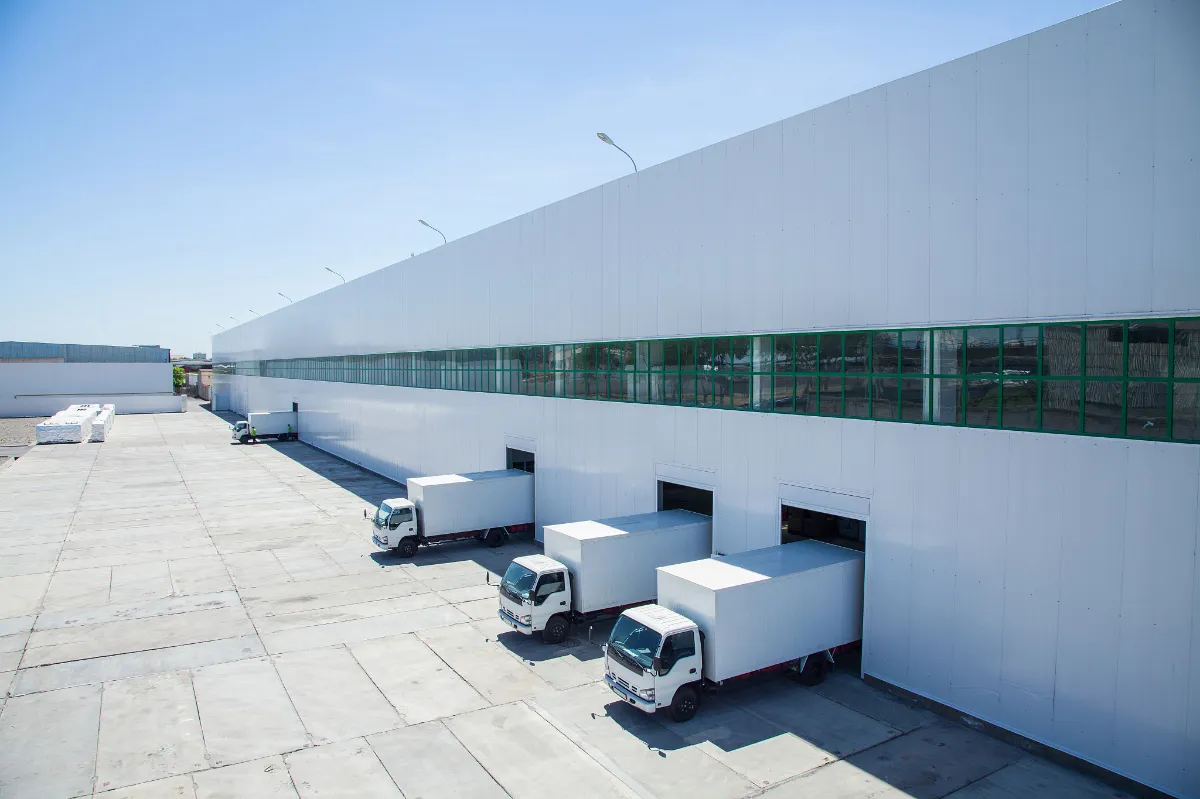
The hong kong truck represents a revolutionary advancement in commercial transportation technology, specifically engineered to meet the demanding requirements of urban logistics and freight operations. This innovative vehicle combines cutting-edge engineering with practical design elements to deliver exceptional performance in dense metropolitan environments. The hong kong truck incorporates sophisticated suspension systems, advanced engine technology, and intelligent cargo management features that distinguish it from conventional commercial vehicles. Its primary functions encompass last-mile delivery services, urban freight distribution, construction material transport, and specialized cargo handling operations. The technological backbone of this vehicle includes electronic stability control, regenerative braking systems, and smart navigation integration that optimizes route efficiency. Advanced telematics systems provide real-time monitoring of vehicle performance, fuel consumption patterns, and maintenance requirements, enabling fleet operators to maximize operational efficiency. The hong kong truck features modular cargo configurations that adapt to diverse transportation needs, from refrigerated goods to oversized equipment. Its compact footprint allows navigation through narrow streets while maintaining substantial payload capacity. The vehicle incorporates eco-friendly propulsion options, including hybrid and electric variants, addressing environmental concerns in urban areas. Safety features include collision avoidance systems, blind spot monitoring, and enhanced visibility lighting. The hong kong truck serves various industries including retail distribution, construction, manufacturing, and e-commerce fulfillment. Its applications extend to municipal services, waste management, and emergency response operations. The vehicle's design philosophy emphasizes durability, reliability, and cost-effectiveness, ensuring long-term value for commercial operators. Advanced diagnostic systems enable predictive maintenance, reducing downtime and operational costs while maximizing vehicle availability for critical transportation tasks.

 EN
EN