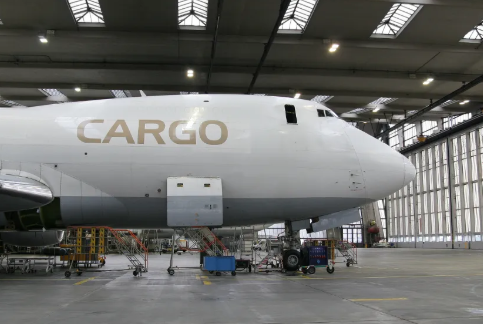
cargo transport across china
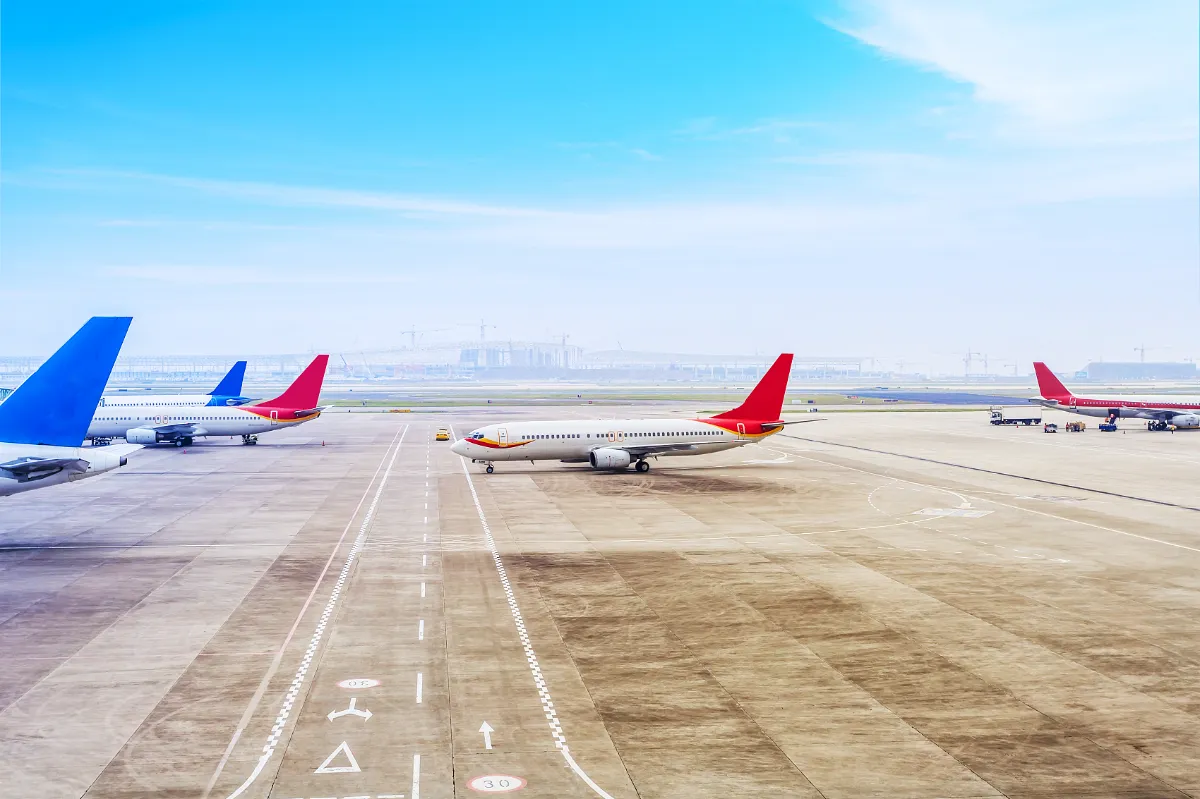
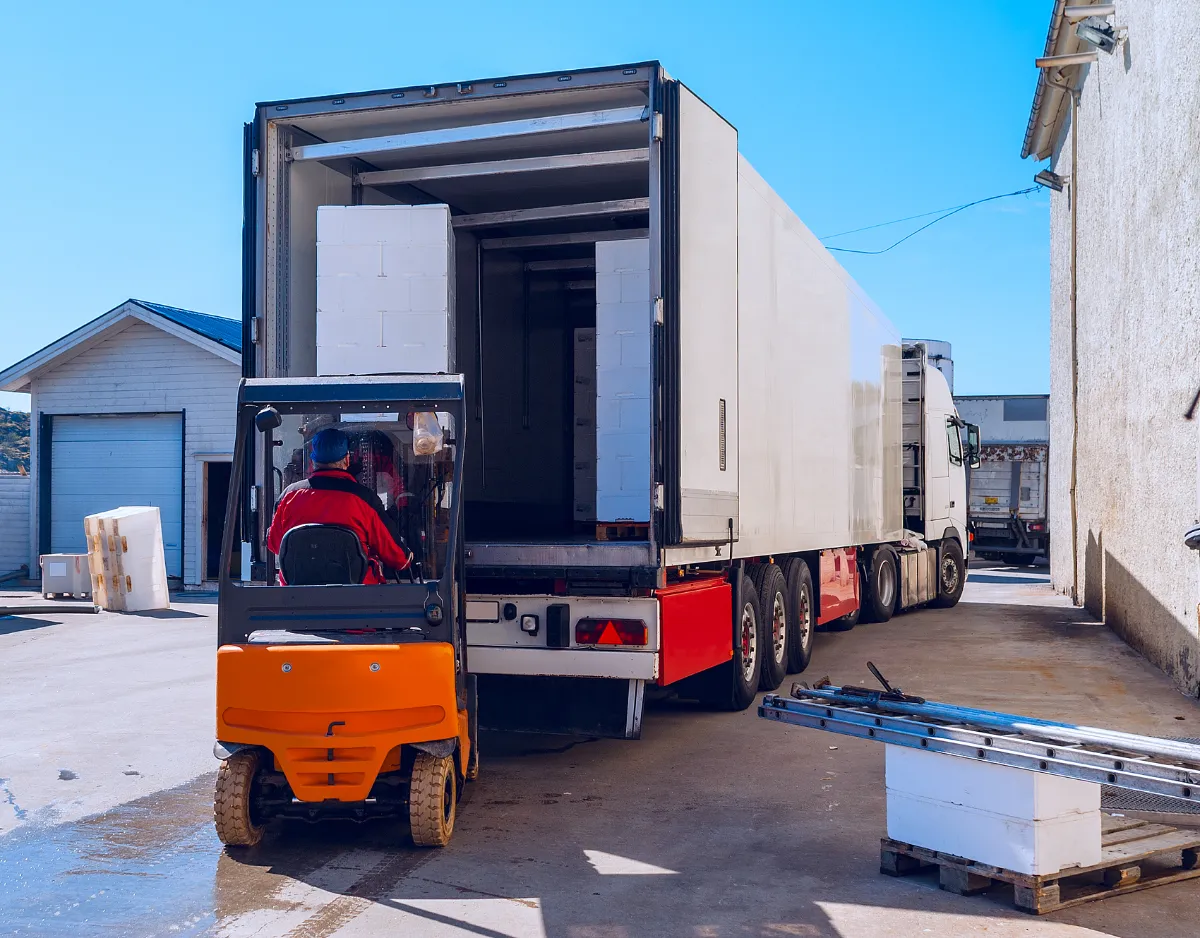
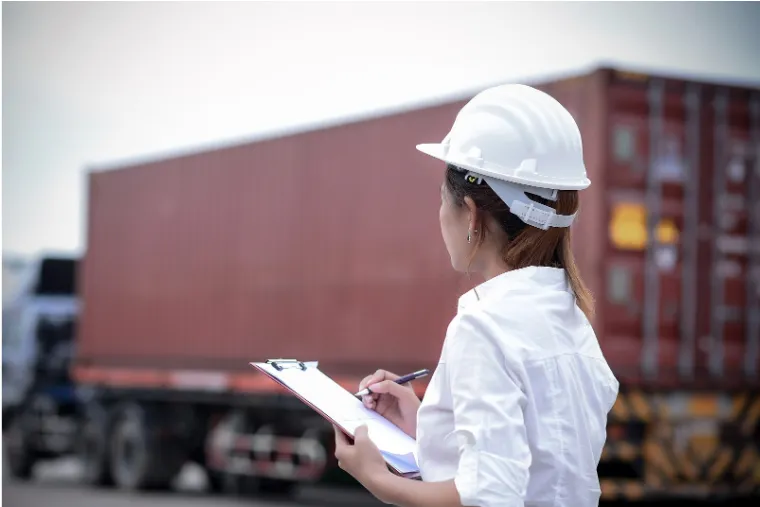
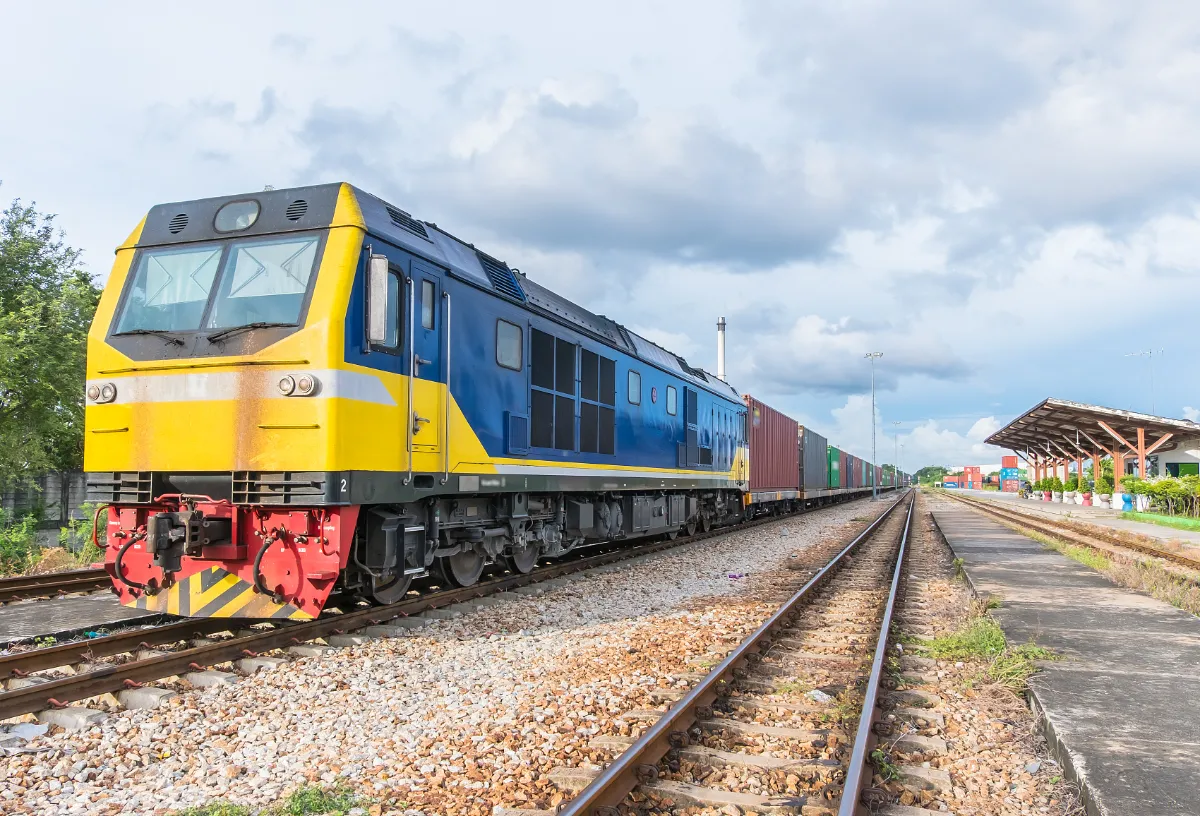
Cargo transport across China represents one of the world's most comprehensive and sophisticated logistics networks, connecting major industrial centers, ports, and commercial hubs throughout the nation. This extensive transportation system encompasses multiple modes including rail freight, highway trucking, inland waterways, and air cargo services, creating an integrated supply chain infrastructure that spans over 9.6 million square kilometers. The cargo transport across China network serves as the backbone of the country's economic growth, facilitating the movement of raw materials, manufactured goods, agricultural products, and consumer items between cities, provinces, and international markets. The main functions of this transportation system include domestic distribution, international trade facilitation, manufacturing supply chain support, and cross-border connectivity with neighboring countries through initiatives like the Belt and Road program. Technological features of cargo transport across China incorporate advanced tracking systems, automated sorting facilities, digital freight platforms, and smart logistics management tools that optimize route planning and delivery efficiency. GPS monitoring, RFID technology, and blockchain integration enhance transparency and security throughout the shipping process. The system utilizes high-speed rail networks for time-sensitive cargo, extensive highway systems for flexible door-to-door delivery, and major ports like Shanghai and Shenzhen for international maritime connections. Applications span various industries including e-commerce fulfillment, automotive parts distribution, electronics manufacturing, textile production, food processing, and pharmaceutical logistics. The cargo transport across China infrastructure supports just-in-time manufacturing processes, enabling businesses to maintain lean inventory levels while ensuring reliable supply chain operations. This comprehensive network has evolved to handle increasing volumes of domestic and international trade, incorporating sustainable practices and innovative technologies to meet growing demand while reducing environmental impact through optimized routing and fuel-efficient transportation methods.

 EN
EN