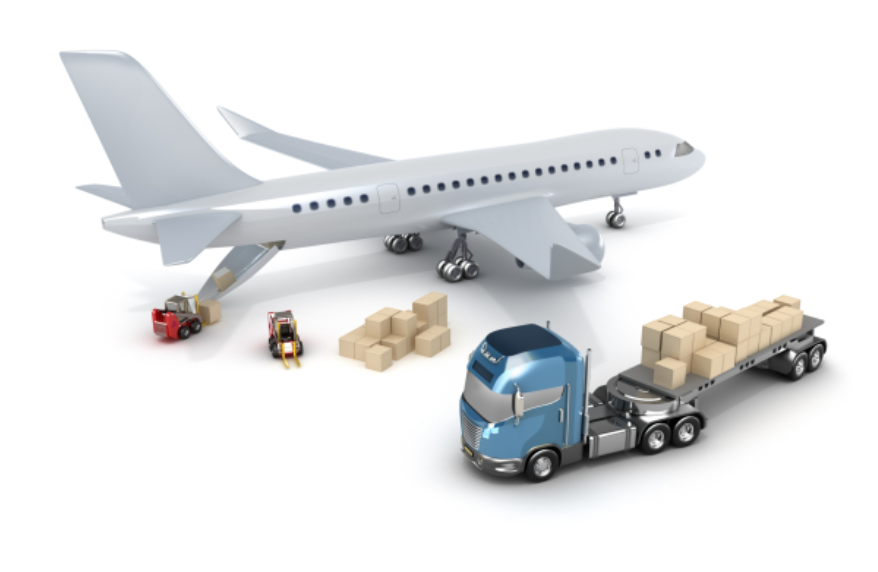
airport delivery
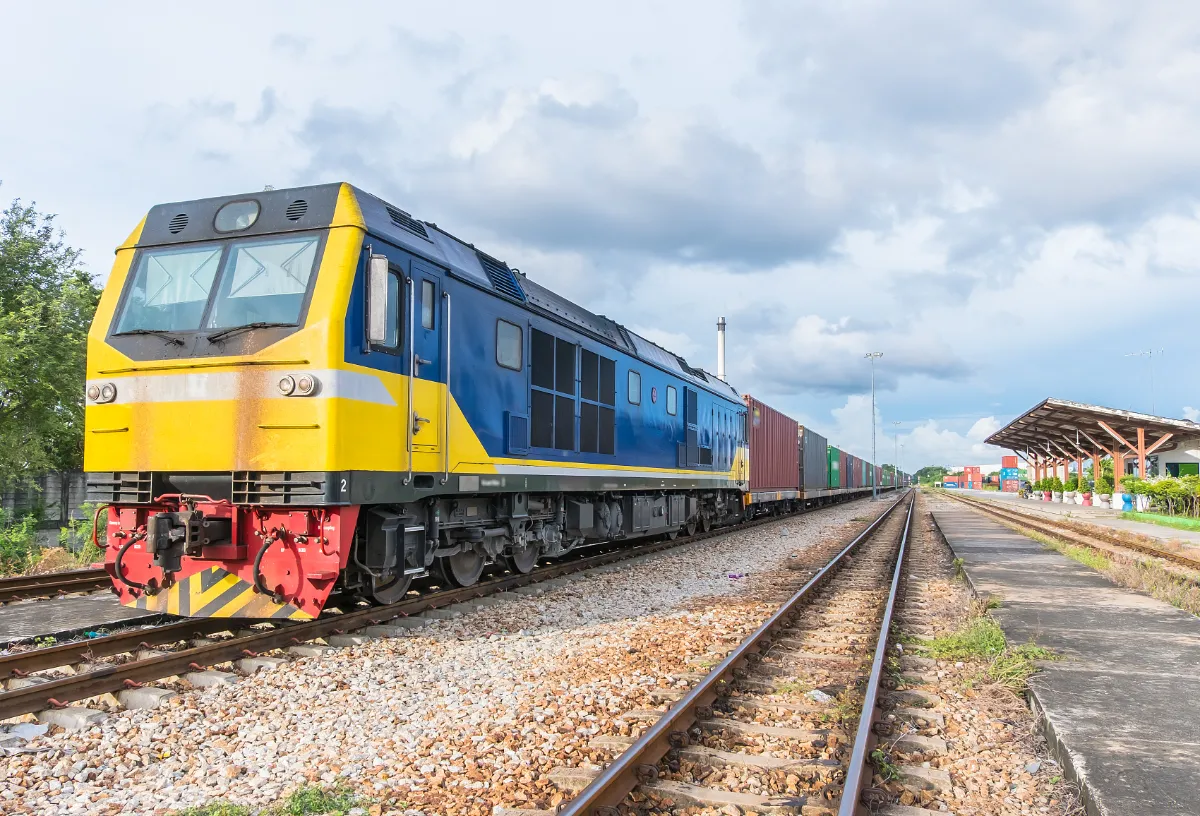
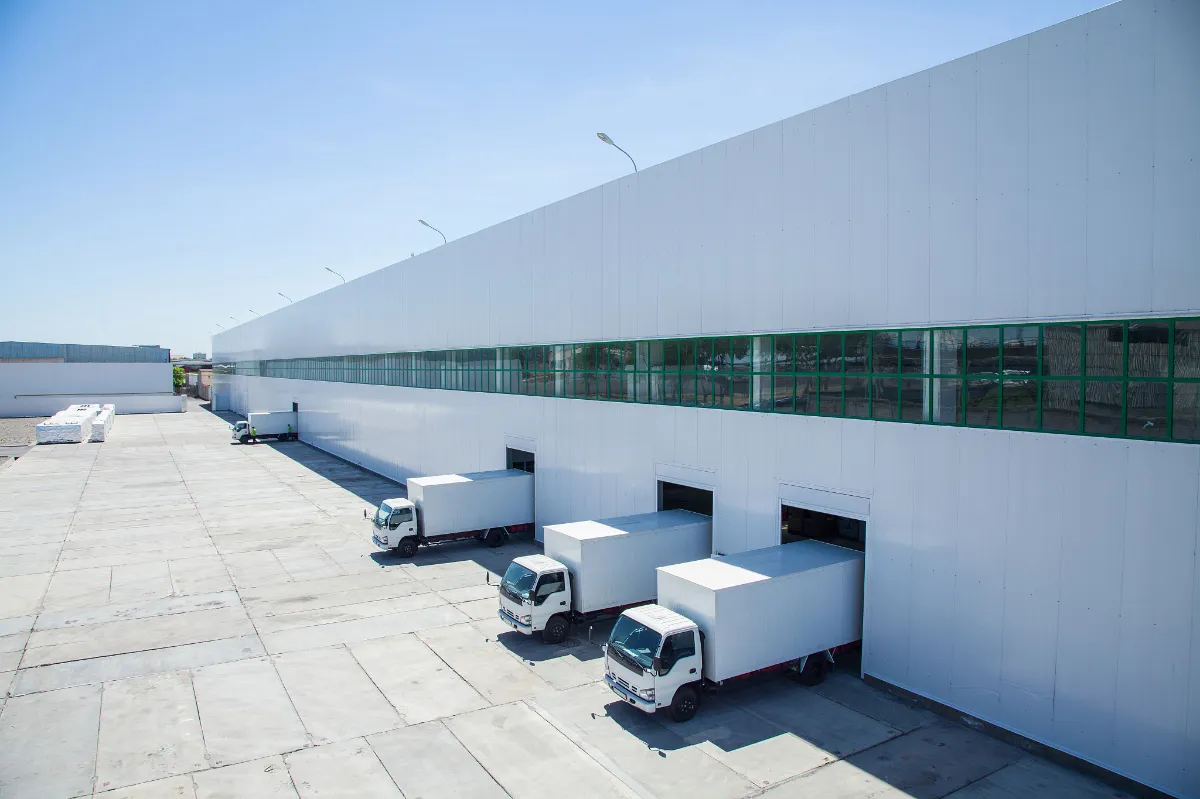
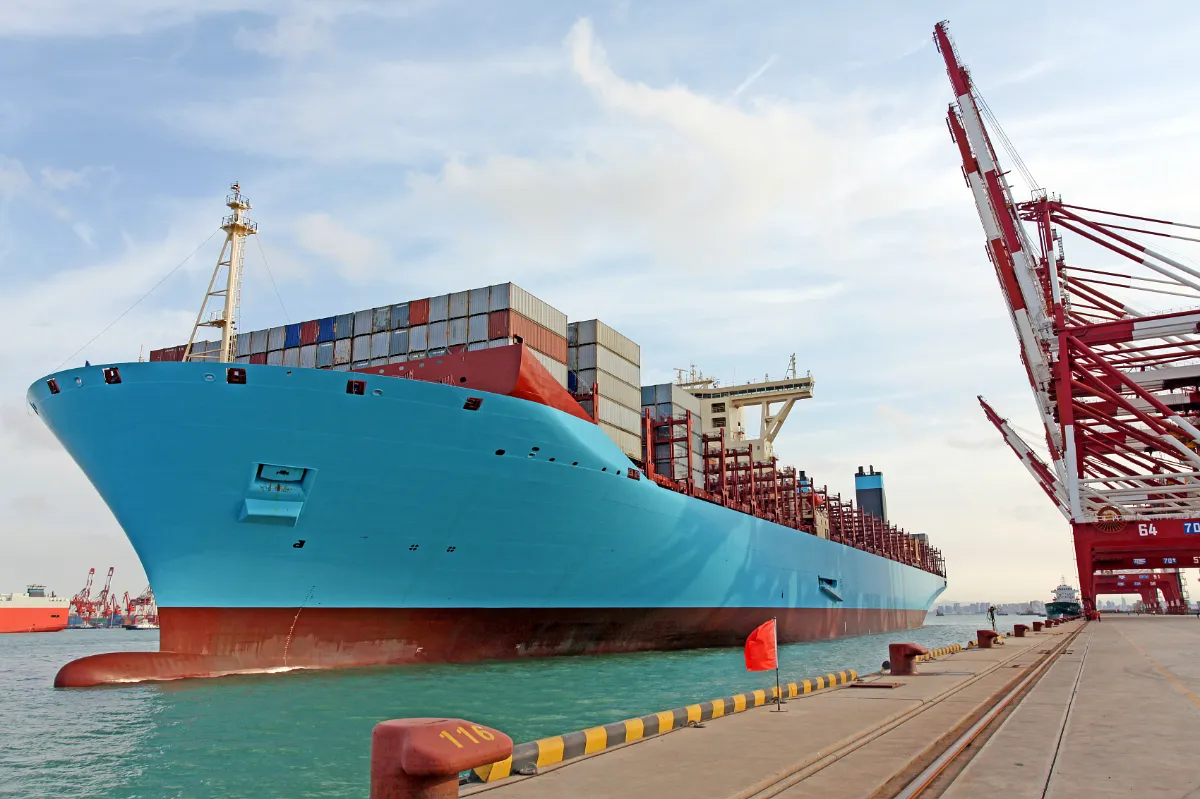
Airport delivery represents a revolutionary logistics solution designed to streamline transportation services within aviation hubs and extend seamless connectivity to surrounding metropolitan areas. This comprehensive system encompasses automated baggage handling, passenger transportation, cargo management, and last-mile delivery services that bridge the gap between air travel and ground logistics. The primary functions of airport delivery include expedited baggage transfer systems, real-time tracking mechanisms, automated sorting facilities, and integrated passenger shuttle services that ensure efficient movement throughout terminal complexes. Advanced technological features incorporate artificial intelligence algorithms for predictive routing, IoT sensors for continuous monitoring, RFID tracking systems for enhanced security, and cloud-based management platforms that coordinate multiple operational elements simultaneously. Machine learning capabilities enable dynamic route optimization, reducing delivery times while maximizing resource utilization across various operational zones. The system integrates sophisticated GPS navigation, automated vehicle guidance systems, and centralized control centers that monitor all delivery activities in real-time. Applications span across commercial passenger services, freight transportation, express courier operations, and specialized cargo handling for time-sensitive shipments. Airport delivery solutions serve international terminals, regional airports, private aviation facilities, and cargo-specific installations worldwide. These systems accommodate diverse payload requirements, from small personal items to oversized industrial equipment, ensuring versatility across different operational scenarios. The technology supports multi-modal transportation integration, connecting air transport with ground vehicles, rail systems, and maritime logistics when applicable. Modern airport delivery platforms feature scalable architecture that adapts to varying traffic volumes, seasonal fluctuations, and emergency situations while maintaining consistent service quality standards throughout peak operational periods.

 EN
EN