 EN
EN



600 Sets Of Graphene Apparel Urgently Shipped To Dubai
Just around the middle of last month, Sister Liu suddenly sent me a flurry of voice messages. She had a batch of 600 "graphene constant-temperature sportswear" sets that the Dongguan factory had just finished rushing out and was currently boxing up. Her online store in Dubai was already displaying an "Almost Sold Out" tag; if she didn't ship them immediately, she’d be buried under a mountain of negative reviews. They had to reach the Dubai warehouse as fast as possible—every day of delay meant losing money. She had previously asked me to ship a batch of high-end silk scarves; that job had also been a frantic rush. Other carriers felt the timeline was too tight and didn't dare take it on, but I managed to squeeze the shipment onto a flight, and it was delivered in less than four days.
The cargo was still sitting in cartons at the Dongguan factory, not even fully labeled yet. I knew full well that for urgent shipments from China to the UAE, success hinges not on who offers the lowest price, but on the speed of securing cargo space and ensuring smooth customs clearance at the destination. You shouldn't just look at the surface; unlike the thousands of freight forwarders in Shenzhen—most of whom only start inquiring about space after the deal is nearly finalized—we operate differently. We have fixed space agreements directly with the airlines. When Ms. Liu told me the required timeframe, two options immediately came to mind: a direct flight from Guangzhou or Shenzhen to Dubai (which had daily fixed space, though the midday flight’s cutoff had already passed, meaning I’d have to book the next day’s midday slot), or a connecting flight via Beijing (which offered an extra flight option but involved a detour). I made the call to book the direct flight for the following day, as the timing for a connecting flight was too unpredictable. At 4:00 PM, the cargo arrived at my warehouse. When the operations staff opened the cartons, they discovered that some of the outer labels had been scuffed by packing tape, making them unreadable by the scanners. If we had sent them onto the plane in that condition, the sorting facility in Dubai would have immediately flagged them as "problematic shipments," and there would have been absolutely no chance of delivery within three days.
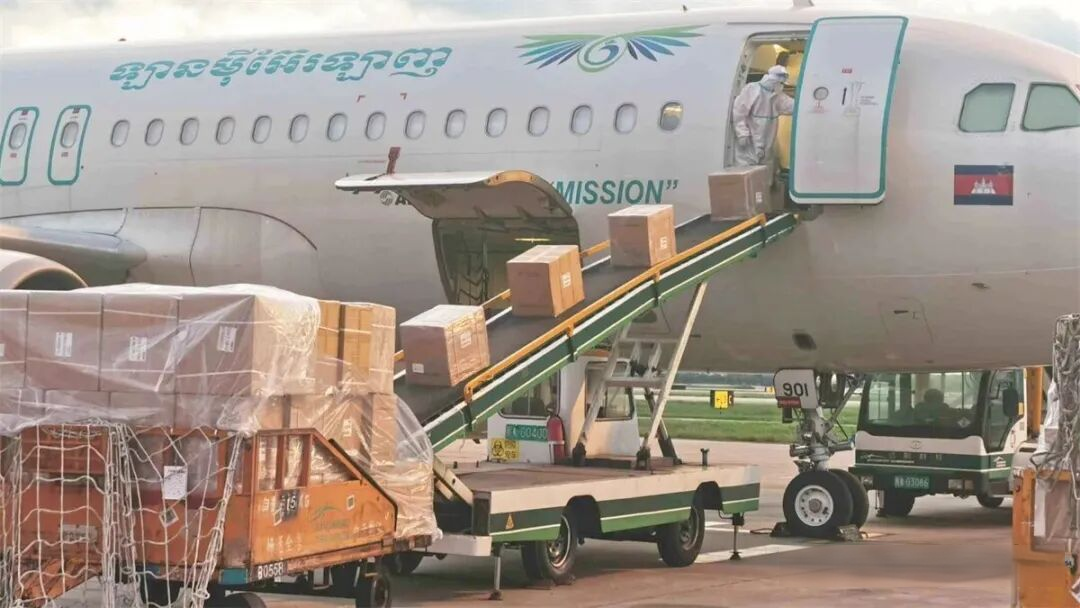
The operator reprinted all the labels, applied a waterproof coating, and affixed an extra label to the side of each carton. By the time the task was finished, it was 6:00 PM, and the shipment was sent directly to the airport cargo terminal. Meanwhile, I prepared the commercial invoice, packing list, and certificate of origin, along with a pre-drafted electronic cargo manifest. Crucially, I had to ensure the product description was precise: instead of simply "clothing," I specified "functional sports tops with graphene-infused fabric"—otherwise, the shipment might face issues during Dubai Customs inspection. The flight departed on schedule at noon the next day and landed in Dubai eight hours later. In reality, customs authorities value efficiency and don't deliberately make trouble for specific shipments; when documentation is complete and the agent is a familiar face, they usually clear the goods after a routine scan, and the shipment was released shortly after 1:00 PM. The cargo was transported from the airport to the overseas warehouse, and just after 4:00 PM that same day, Ms. Liu sent a message confirming that her Dubai warehouse had signed for the delivery.