Hong Kong Customs Coordination: Advanced Digital Trade Facilitation Platform

All Categories

hong kong customs coordination

Hong Kong customs coordination represents a sophisticated integrated system that streamlines international trade operations through the Hong Kong Special Administrative Region. This comprehensive framework serves as a crucial bridge between mainland China and global markets, facilitating seamless cargo movement while maintaining stringent security standards. The hong kong customs coordination system encompasses multiple governmental agencies, private sector partners, and technological platforms working in unison to process millions of shipments annually. At its core, this coordination mechanism functions through advanced digital infrastructure that connects customs authorities, freight forwarders, shipping lines, airlines, and trading companies into a unified network. The primary functions include trade facilitation, revenue collection, border security enforcement, and regulatory compliance monitoring. The system leverages cutting-edge technologies such as artificial intelligence, blockchain verification, automated risk assessment algorithms, and real-time data analytics to enhance operational efficiency. Electronic data interchange capabilities enable instant communication between stakeholders, reducing processing times from days to hours. The hong kong customs coordination platform integrates seamlessly with international customs systems, supporting various trade agreements and preferential arrangements. Applications span across diverse sectors including manufacturing, retail, logistics, and e-commerce, supporting both import and export operations. The system accommodates different cargo types, from high-value electronics to perishable goods, ensuring appropriate handling protocols for each category. Risk management features utilize machine learning to identify potential security threats while expediting legitimate trade flows. Documentary requirements are digitized through electronic submission portals, eliminating paper-based processes and reducing administrative burdens. The coordination framework supports multiple payment methods for duties and taxes, including electronic fund transfers and automated clearing systems. Regular system updates incorporate evolving international trade regulations and emerging security requirements, ensuring continuous compliance with global standards.

New Products

The hong kong customs coordination delivers substantial operational benefits that directly impact business efficiency and cost reduction for companies engaged in international trade. Fast processing times represent the most immediate advantage, with routine shipments clearing customs within hours rather than traditional multi-day procedures. This acceleration stems from automated documentation review systems that instantly verify shipping manifests, commercial invoices, and regulatory certificates without human intervention delays. Businesses experience significant cost savings through reduced storage fees at ports and airports, as faster clearance means shorter dwell times for cargo. The digital-first approach eliminates numerous administrative expenses associated with paper documentation, courier services, and manual filing requirements. Companies benefit from enhanced predictability in their supply chain operations, as the system provides real-time status updates and estimated processing timeframes for each shipment. This transparency enables better inventory planning and customer communication regarding delivery schedules. The hong kong customs coordination reduces compliance risks through automated regulatory checking that flags potential issues before they become costly violations. Built-in validation systems ensure all required permits and licenses are properly documented and current, preventing shipment delays due to missing paperwork. Multi-language support accommodates international traders regardless of their primary business language, reducing communication barriers and processing errors. The system's 24/7 availability means businesses can submit declarations and track shipments at any time, supporting global operations across different time zones. Integration capabilities with existing enterprise resource planning systems allow companies to streamline their internal processes without major workflow disruptions. Smaller businesses particularly benefit from simplified procedures that make international trade more accessible without requiring extensive customs expertise. The coordination framework provides audit trails and comprehensive reporting features that support financial reconciliation and regulatory reporting requirements. Regular training programs and customer support services ensure users can maximize system benefits while staying current with procedural updates and regulatory changes.

Tips And Tricks

Understanding Sea Freight Costs and How to Optimize Your Shipping Budget

22

Jul

Understanding Sea Freight Costs and How to Optimize Your Shipping Budget

Managing International Shipping with Precision In today's globalized economy, businesses rely heavily on international logistics to move goods efficiently across borders. One of the most cost-effective methods for transporting large volumes of cargo ...
View More
How to Choose the Right Sea Freight Forwarder for Your Business

22

Jul

How to Choose the Right Sea Freight Forwarder for Your Business

Strengthening Logistics Through Professional Support In an increasingly interconnected global marketplace, businesses of all sizes depend on reliable international shipping solutions. Sea freight remains a vital mode of transport for moving goods acr...
View More
Sea Freight vs Air Freight: Which Is More Cost-Effective for You?

22

Jul

Sea Freight vs Air Freight: Which Is More Cost-Effective for You?

Comparing International Shipping Solutions When it comes to global trade and logistics, choosing the most suitable shipping method can significantly impact your business's bottom line. Among the most widely used options are sea freight and air freigh...
View More
How Does Ocean Freight Compare to Air and Rail Shipping Options?

05

Aug

How Does Ocean Freight Compare to Air and Rail Shipping Options?

Evaluating Global Shipping Methods for International Trade When moving goods across continents, businesses must carefully consider their shipping options to balance cost, speed, and reliability. Ocean freight remains the backbone of international tr...
View More

Get a Free Quote

Our representative will contact you soon.
Email
Name
Company Name
Message
0/1000

hong kong customs coordination

Advanced Digital Integration Platform

Advanced Digital Integration Platform

The hong kong customs coordination features a state-of-the-art digital integration platform that revolutionizes how businesses interact with customs authorities and manage their international trade operations. This comprehensive technological infrastructure serves as the backbone of modern trade facilitation, connecting multiple stakeholders through secure, encrypted communication channels that ensure data integrity and confidentiality. The platform incorporates sophisticated application programming interfaces that enable seamless integration with existing business systems, allowing companies to automate their customs declaration processes without disrupting established workflows. Real-time synchronization capabilities ensure that all parties have access to the most current information regarding shipment status, regulatory changes, and processing updates. The system employs advanced encryption protocols and multi-factor authentication to protect sensitive commercial data while maintaining compliance with international cybersecurity standards. Machine learning algorithms continuously analyze transaction patterns to identify potential improvements and optimize processing workflows automatically. The platform supports multiple data formats and international standards, ensuring compatibility with diverse business systems and global trading partners. Cloud-based architecture provides scalable performance that adapts to varying transaction volumes without compromising processing speeds. Mobile accessibility features enable users to manage their customs operations from anywhere, supporting modern business practices that require flexibility and remote capability. The hong kong customs coordination platform includes comprehensive analytics tools that provide valuable insights into trade patterns, processing times, and cost optimization opportunities. Automated backup and disaster recovery systems ensure business continuity even during unexpected disruptions, while regular system updates incorporate the latest technological advances and security enhancements to maintain peak performance standards.
Comprehensive Risk Management System

Comprehensive Risk Management System

The hong kong customs coordination incorporates an advanced risk management system that balances trade facilitation with security requirements through intelligent screening and assessment protocols. This sophisticated framework utilizes artificial intelligence and machine learning technologies to evaluate each shipment based on multiple risk factors, including cargo type, origin country, trading history, and current security intelligence. The system maintains extensive databases of known risks and suspicious activities, enabling rapid identification of potential threats while allowing legitimate cargo to move efficiently through customs processes. Automated risk scoring algorithms assign priority levels to each shipment, directing high-risk cargo for detailed inspection while expediting low-risk consignments through streamlined procedures. The hong kong customs coordination system collaborates with international security agencies and customs administrations worldwide, sharing critical intelligence that enhances global supply chain security. Real-time monitoring capabilities track cargo movements from departure to final destination, identifying any deviations or unexpected routing changes that might indicate security concerns. The system incorporates advanced imaging technologies and non-intrusive inspection methods that can examine cargo contents without opening containers, reducing processing delays while maintaining thorough security screening. Predictive analytics help identify emerging threat patterns and adjust security protocols accordingly, staying ahead of evolving risks in the global trading environment. Compliance monitoring features ensure all shipments meet current regulatory requirements and trade sanctions, preventing violations that could result in penalties or operational disruptions. The risk management system provides detailed reporting and audit capabilities that support regulatory compliance and internal security reviews. Regular training programs keep customs officers and system users updated on the latest security threats and procedural requirements, ensuring consistent application of risk management protocols across all operations.
Integrated Multi-Modal Logistics Support

Integrated Multi-Modal Logistics Support

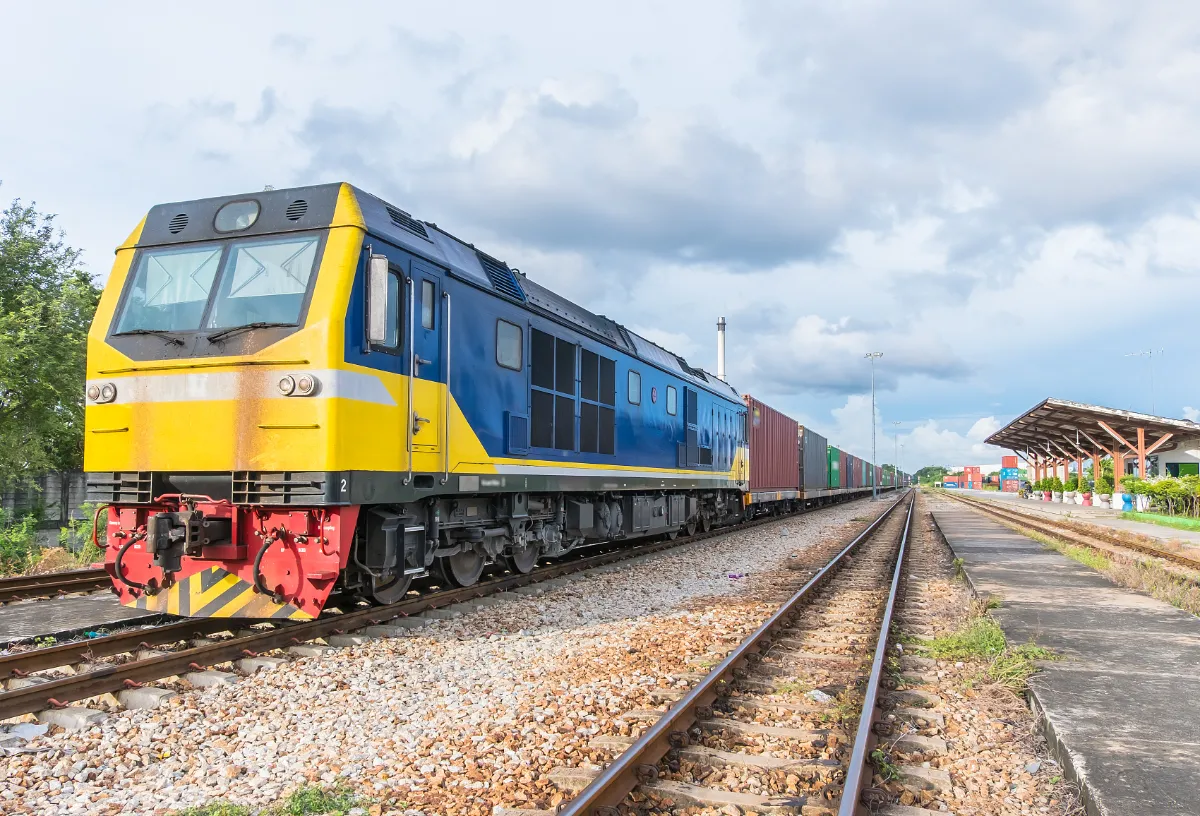
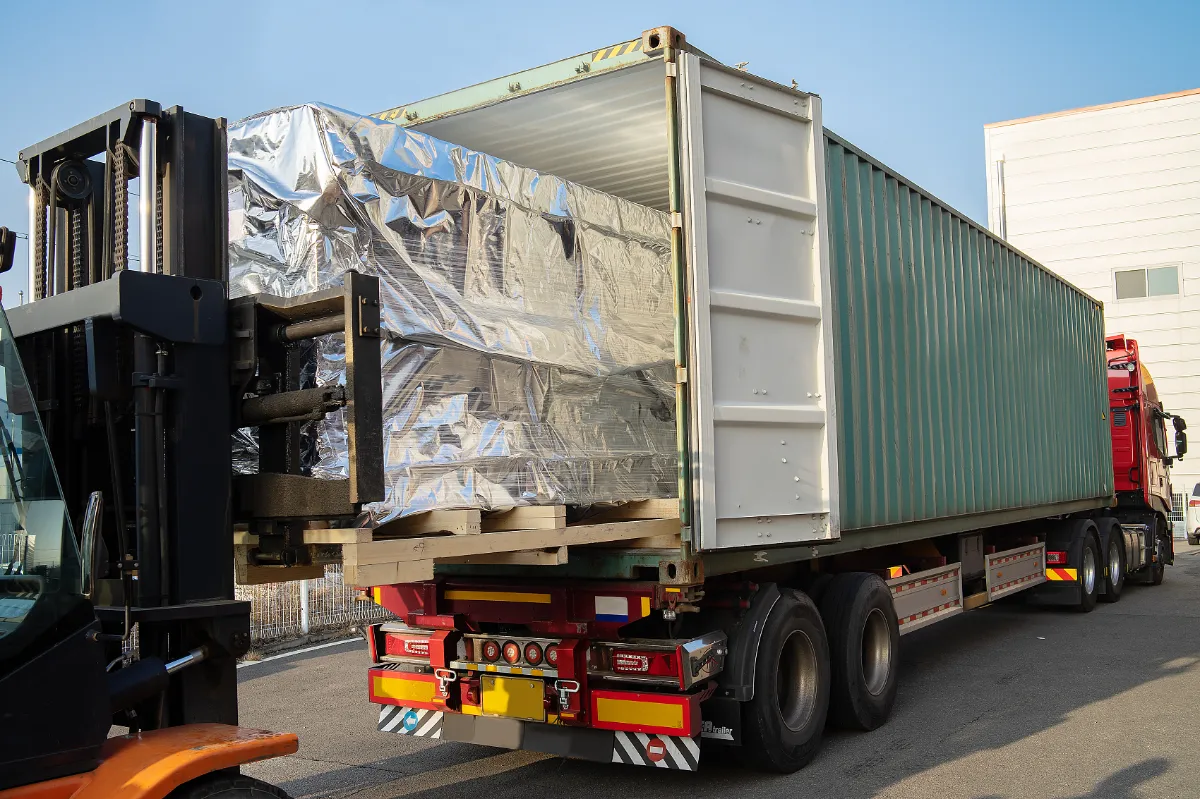
The hong kong customs coordination delivers comprehensive multi-modal logistics support that accommodates diverse transportation methods and cargo types through a unified processing framework. This integrated approach recognizes that modern supply chains utilize various transportation modes including air freight, ocean shipping, rail transport, and road haulage, often combining multiple methods within a single journey. The system provides seamless transitions between different transportation modes, ensuring customs documentation and regulatory compliance remain consistent regardless of how cargo moves through Hong Kong's logistics network. Specialized handling protocols address unique requirements for different cargo categories, from temperature-controlled pharmaceuticals to hazardous materials requiring special safety measures. The hong kong customs coordination platform interfaces directly with major airlines, shipping lines, and logistics providers, enabling real-time data exchange that improves coordination and reduces processing delays. Port and airport integration features provide comprehensive visibility into vessel and aircraft schedules, allowing better planning and resource allocation for customs processing activities. The system supports various container types and sizes, accommodating everything from standard shipping containers to specialized equipment for oversized or unusual cargo. Electronic sealing and tracking technologies monitor cargo integrity throughout the transportation process, providing security assurance while enabling faster customs clearance. Warehousing integration features coordinate with bonded storage facilities and free trade zones, supporting complex logistics arrangements that require temporary storage or value-added services. Cross-border trucking support facilitates efficient movement between Hong Kong and mainland China, with automated border crossing procedures that reduce transit times. The multi-modal coordination capabilities extend to e-commerce shipments and express delivery services, supporting the growing demand for rapid, small-package international shipping. Comprehensive scheduling and resource management tools help logistics providers optimize their operations while ensuring compliance with customs requirements and delivery commitments.

Get a Free Quote

Our representative will contact you soon.
Email
Name
Company Name
Message
0/1000

Get a Free Quote

Our representative will contact you soon.
Email
Name
Company Name
Message
0/1000